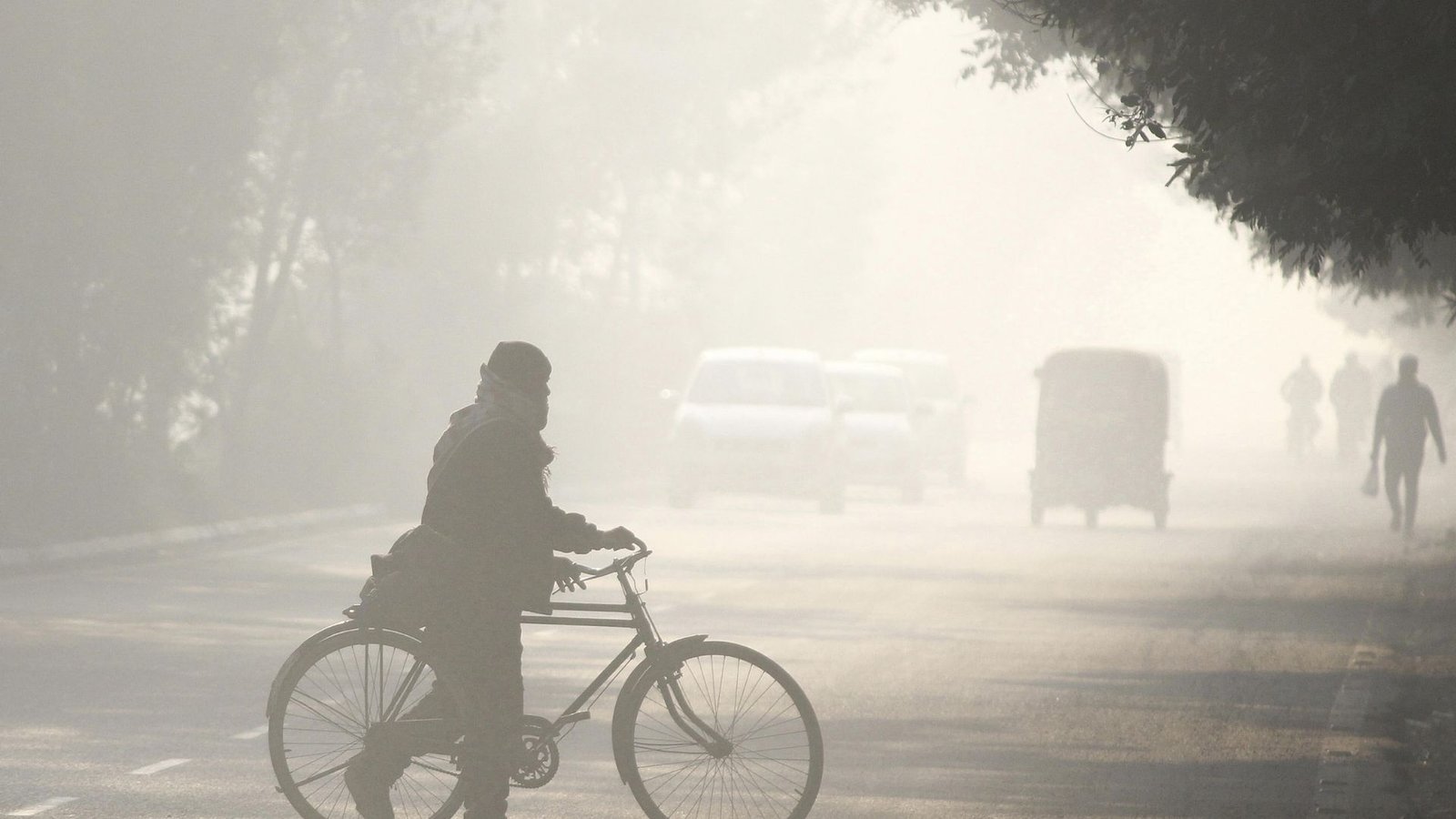
Delhi’s escalating air pollution has prompted the Supreme Court to question the effectiveness of current measures, even mask usage, in protecting citizens. The court’s concern comes as Delhi’s air quality index (AQI) has repeatedly soared into the ‘severe’ category, posing significant health risks, especially for vulnerable populations. The apex court raised concerns about the feasibility of outdoor activities for children given the current smog levels. It specifically asked lawyers present whether masks were proving sufficient protection, implicitly acknowledging the limitations of individual measures when faced with such widespread environmental degradation.
Health Crisis Grips Delhi
The deteriorating air quality has triggered a public health crisis, with hospitals reporting a surge in respiratory ailments and related complications. The microscopic pollutants penetrate deep into the lungs and bloodstream, increasing the risk of chronic diseases and exacerbating existing conditions. The Delhi government has implemented several measures to combat the pollution, including restrictions on construction activities and vehicular emissions. However, these steps have yet to yield substantial improvements, prompting the Supreme Court’s intervention. The court is now actively seeking input from various stakeholders to formulate a more effective and comprehensive action plan.
Supreme Court Intervention
The Supreme Court’s involvement underscores the gravity of the situation and the urgent need for systemic solutions. The court’s questioning of lawyers about mask efficacy highlights the inadequacy of relying solely on individual protective measures. The court is keen on understanding whether the existing Graded Response Action Plan (GRAP) is being effectively implemented. The GRAP outlines a series of measures to be taken based on the air quality levels, ranging from restrictions on diesel generators to a complete ban on construction activities.
Broader Implications and Future Actions
The Delhi pollution crisis raises broader questions about environmental governance and sustainable development. The issue is not merely a local one but has implications for other densely populated urban centers facing similar challenges. The Supreme Court’s intervention is expected to catalyze more robust and coordinated efforts to address the root causes of air pollution, including vehicular emissions, industrial activities, and stubble burning in neighboring states. The court is likely to issue further directives and monitor the implementation of these measures closely. The situation calls for a multi-pronged approach involving stricter enforcement of environmental regulations, promotion of cleaner technologies, and public awareness campaigns to encourage responsible behavior. Only through sustained and concerted efforts can Delhi hope to break free from the cycle of toxic air and safeguard the health of its citizens.
Image Source: Google | Image Credit: Respective Owner