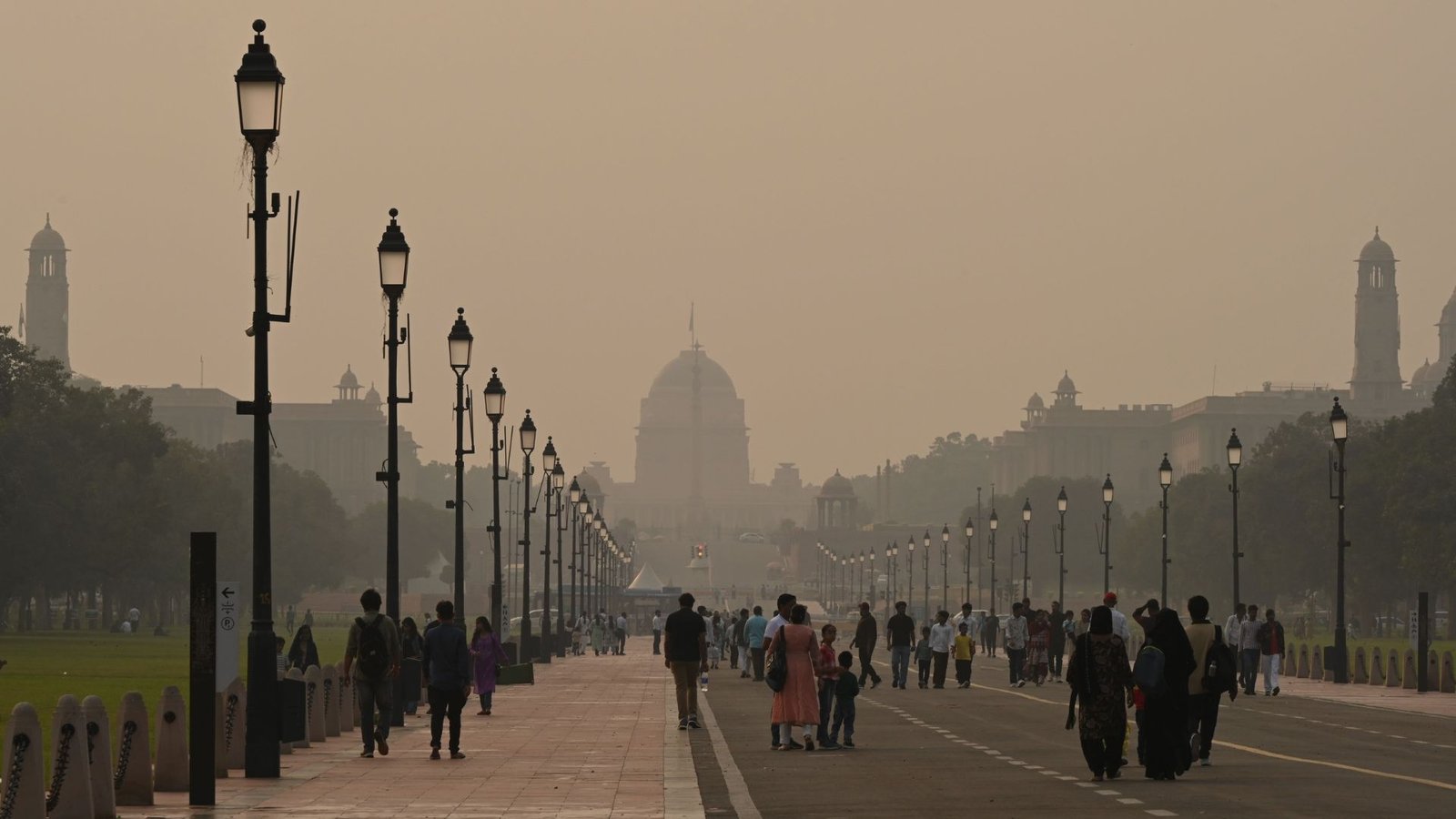
Delhi-NCR is facing a significant challenge as pollution levels have surged, prompting the implementation of Stage-II restrictions under the Graded Response Action Plan (GRAP). This action comes ahead of Diwali, a period when air quality typically deteriorates further due to firecracker emissions. The Commission for Air Quality Management (CAQM) made the decision to invoke Stage-II, signaling the severity of the situation and the need for immediate measures to curb pollution.
The GRAP is a set of emergency measures implemented in Delhi-NCR to combat air pollution based on pre-determined air quality thresholds. Stage-II is activated when the Air Quality Index (AQI) crosses the ‘Poor’ category, indicating a serious threat to public health. This stage involves a more stringent set of regulations aimed at controlling various sources of pollution.
Key Restrictions Under GRAP Stage-II
Under Stage-II, a series of restrictions are imposed to control pollution from various sectors. These measures include a ban on the use of diesel generators, except for essential services. Parking fees are also increased to discourage private vehicle use, and public transportation services are intensified to encourage people to use buses and metro trains.
Another significant measure is the enhanced enforcement of pollution control regulations at construction sites. This includes ensuring the use of dust suppressants, covering construction materials, and restricting construction activities during peak pollution hours. Industrial units are also required to adhere to strict emission standards and adopt cleaner technologies.
The implementation of Stage-II also involves increased public awareness campaigns to educate people about the harmful effects of air pollution and encourage them to adopt environment-friendly practices. This includes promoting the use of public transport, carpooling, and avoiding the burning of waste. Furthermore, the authorities are also actively monitoring air quality and taking corrective actions as needed.
The timing of these restrictions is particularly crucial, given the impending Diwali festival. Firecrackers, a traditional part of the celebrations, contribute significantly to air pollution. The CAQM has urged people to avoid firecrackers and celebrate a green Diwali. The Delhi government has also launched awareness campaigns to discourage the use of firecrackers.
The GRAP is implemented based on the AQI, which is calculated based on the concentration of various pollutants in the air, including particulate matter (PM2.5 and PM10), nitrogen dioxide, sulfur dioxide, ozone, and carbon monoxide. The AQI ranges from 0 to 500, with higher values indicating poorer air quality. The authorities closely monitor the AQI and take appropriate actions under the GRAP.
The effectiveness of the GRAP depends on the strict enforcement of the regulations and the cooperation of the public. While the measures can help to reduce pollution levels, long-term solutions are needed to address the root causes of air pollution, such as vehicular emissions, industrial pollution, and agricultural burning. These solutions include promoting electric vehicles, investing in public transport, and adopting cleaner industrial technologies.
Image Source: Google | Image Credit: Respective Owner