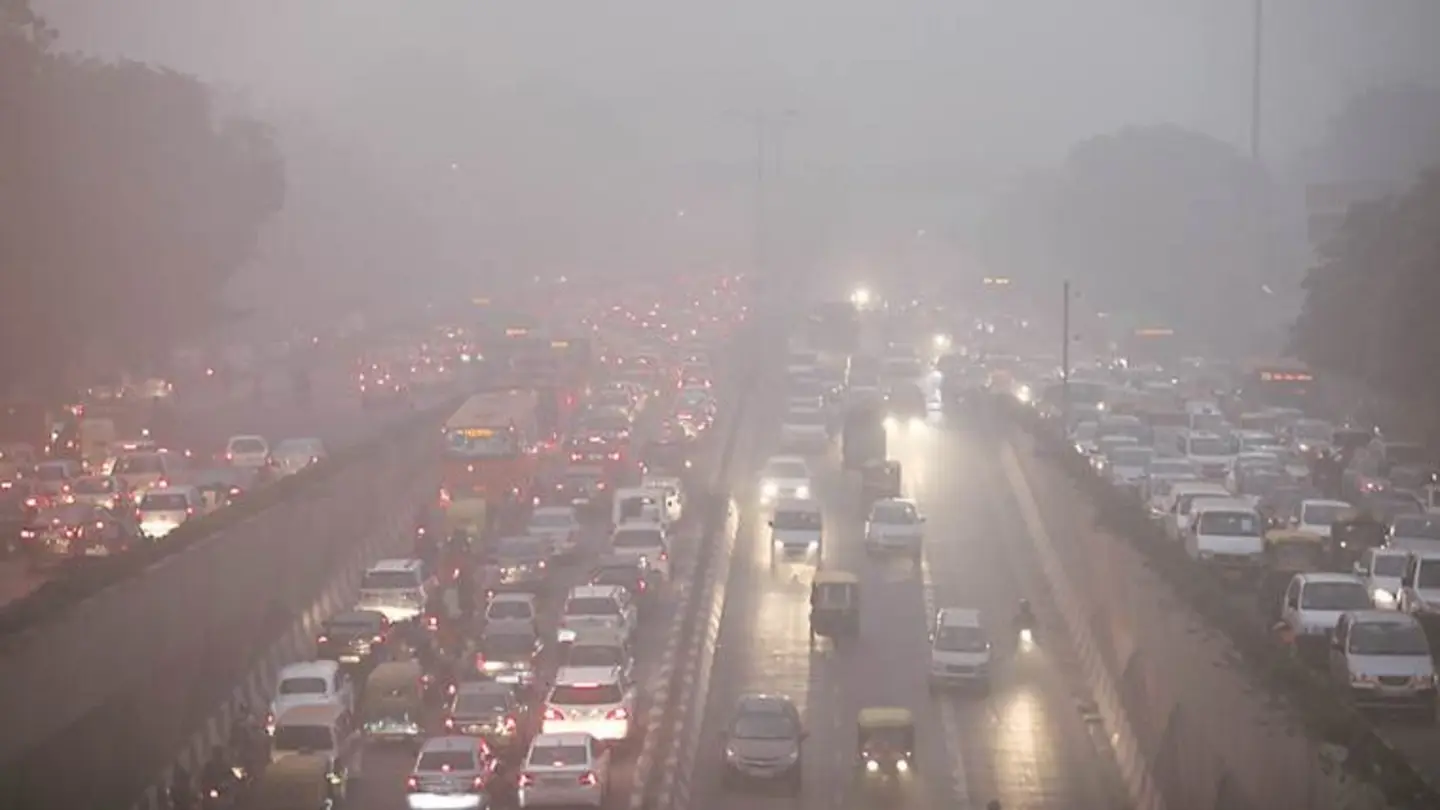
The Delhi-NCR region has witnessed a significant improvement in air quality, prompting authorities to revoke Stage IV restrictions under the Graded Response Action Plan (GRAP). The decision comes as air quality index (AQI) readings have consistently fallen into the ‘very poor’ category, a step down from the ‘severe’ levels that triggered the stringent measures.
Previously, Stage IV of GRAP, implemented to combat severe pollution, included measures such as banning construction activities, increasing parking fees, and restricting the movement of diesel vehicles. The lifting of these restrictions signals a positive trend in the region’s air quality, though officials caution that vigilance is still required.
The improvement is attributed to a combination of factors, including favorable meteorological conditions – specifically, increased wind speeds which aided in the dispersion of pollutants – and a decrease in local emission sources. Recent rainfall also played a crucial role in washing away particulate matter from the atmosphere. However, experts warn that the situation remains fragile and susceptible to deterioration if weather patterns change or emission levels rise again.
GRAP Implementation and Stages
The Graded Response Action Plan is a set of measures implemented by the Environment Pollution (Prevention and Control) Authority (EPCA) and state governments to tackle air pollution in the Delhi-NCR region. It categorizes pollution levels into four stages: Moderate to Poor, Poor, Very Poor, and Severe. Each stage triggers a corresponding set of actions aimed at reducing pollution levels.
Stage I and II involve measures like increasing public transport frequency and enforcing dust control measures. Stage III introduces restrictions on BS III petrol and BS IV diesel vehicles, along with further tightening of construction regulations. Stage IV, the most stringent, encompasses the most comprehensive set of restrictions, including complete bans on construction and potentially industrial activities.
While the revocation of Stage IV is a welcome development, authorities are continuing to monitor air quality closely. Teams are deployed to ensure compliance with existing regulations, such as those pertaining to construction dust and industrial emissions. The focus now shifts to preventing a relapse into severe pollution levels, particularly as winter approaches, which often brings stagnant air and increased reliance on polluting fuels.
Officials have urged citizens to remain cautious and continue to adopt measures to protect themselves from air pollution, such as wearing masks when outdoors and avoiding strenuous activities during peak pollution hours. The long-term solution to Delhi-NCR’s air pollution problem requires sustained efforts to address the root causes, including vehicular emissions, industrial pollution, and agricultural practices. Further investments in public transportation, cleaner fuels, and stricter enforcement of environmental regulations are crucial for ensuring breathable air for the region’s residents.
The current improvement provides a temporary respite, but the battle against air pollution in Delhi-NCR is far from over. Continuous monitoring, proactive measures, and public cooperation are essential to maintain the gains achieved and build a cleaner, healthier future.
Image Source: Google | Image Credit: Respective Owner