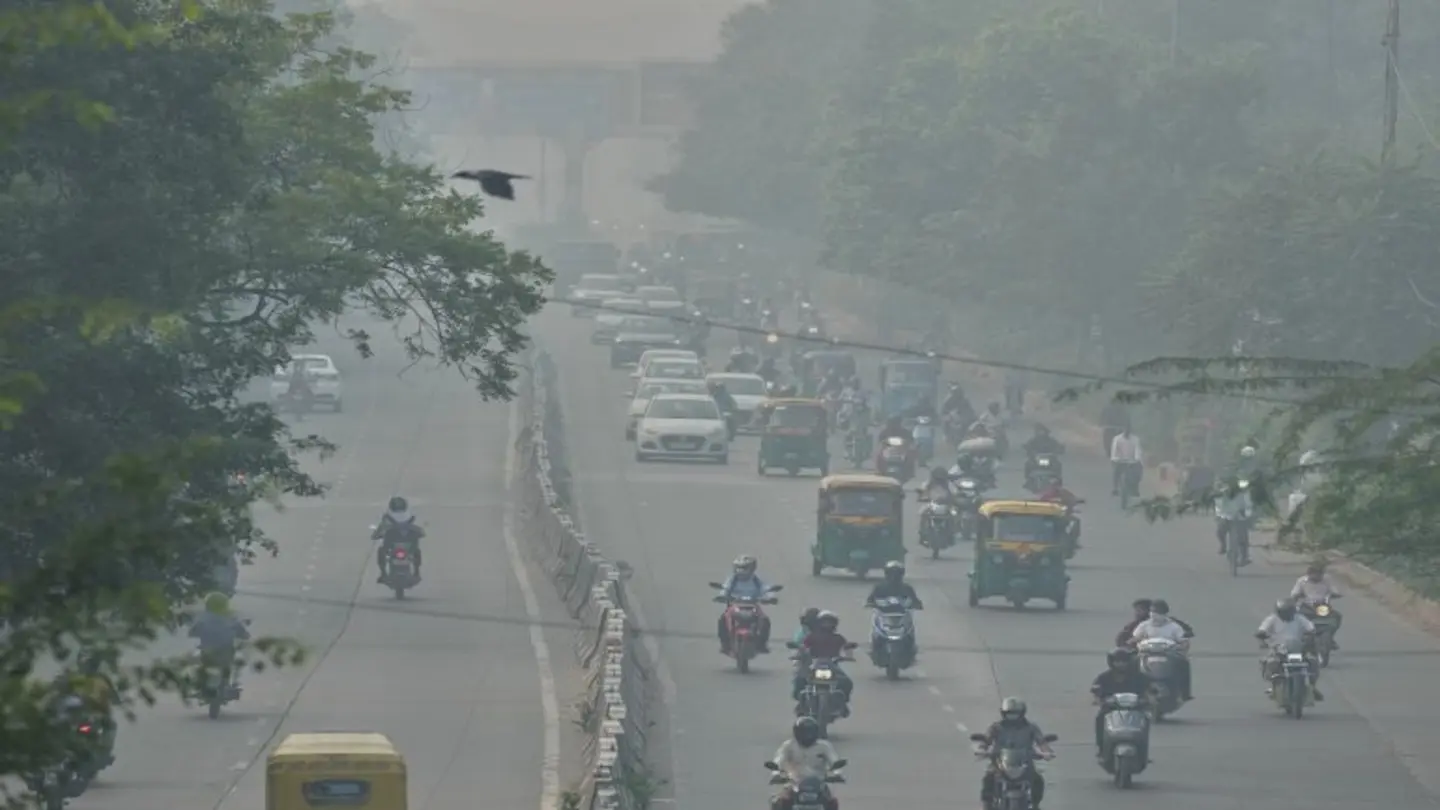
Delhi-NCR is breathing easier as the Commission for Air Quality Management (CAQM) revoked Stage III restrictions under the Graded Response Action Plan (GRAP) on Wednesday. This decision follows a sustained improvement in the region’s air quality, moving it out of the ‘Severe’ category and into ‘Very Poor’.
The GRAP, a set of measures implemented in stages to combat air pollution, had reached Stage III on November 5th, triggering stricter regulations to curb emissions. These included a ban on construction and demolition activities (except for essential projects), restrictions on industrial operations, and enhanced surveillance to prevent illegal construction and burning of waste.
According to the CAQM order, the average Air Quality Index (AQI) across Delhi has remained in the ‘Very Poor’ or lower category for the past 48 hours. Data from the Central Pollution Control Board (CPCB) shows that the AQI in several areas of Delhi is fluctuating between 301 and 400, categorized as ‘Very Poor’, while some areas have even seen ‘Poor’ air quality.
While Stage III restrictions have been lifted, the CAQM has directed authorities to remain vigilant and continue implementing measures under Stage I and Stage II of the GRAP. These include regular sweeping and washing of roads, enforcing dust control measures at construction sites (where permitted), managing traffic flow, and ensuring compliance with emission standards for vehicles.
What Remains Restricted
Despite the easing of restrictions, certain measures remain in place. The ban on construction and demolition activities, except for essential projects like hospitals, metro rail, and roads, continues to be monitored. Authorities are also focusing on controlling vehicular emissions through stricter enforcement of PUC (Pollution Under Control) norms and promoting public transport.
The CAQM has emphasized the need for continued efforts to prevent a deterioration in air quality, particularly with the onset of winter and the potential for meteorological conditions unfavorable to dispersion of pollutants. These conditions, such as low wind speed and temperature inversions, can trap pollutants near the ground, leading to a spike in AQI levels.
Officials stated that the improvement in air quality is attributed to a combination of factors, including favorable wind conditions, reduced stubble burning in neighboring states, and the implementation of GRAP measures. However, they cautioned that maintaining this improvement will require sustained efforts and cooperation from all stakeholders.
The decision to revoke Stage III restrictions is a positive sign for residents of Delhi-NCR, who have been grappling with hazardous air quality for weeks. However, experts warn that air pollution remains a serious concern and that long-term solutions are needed to address the root causes of the problem. These include transitioning to cleaner fuels, promoting sustainable transportation, and strengthening industrial emission controls.
The CAQM will continue to monitor the air quality situation closely and will reinstate stricter measures if necessary. Citizens are advised to follow the guidelines issued by the authorities and take precautions to protect their health during periods of high pollution.
Image Source: Google | Image Credit: Respective Owner