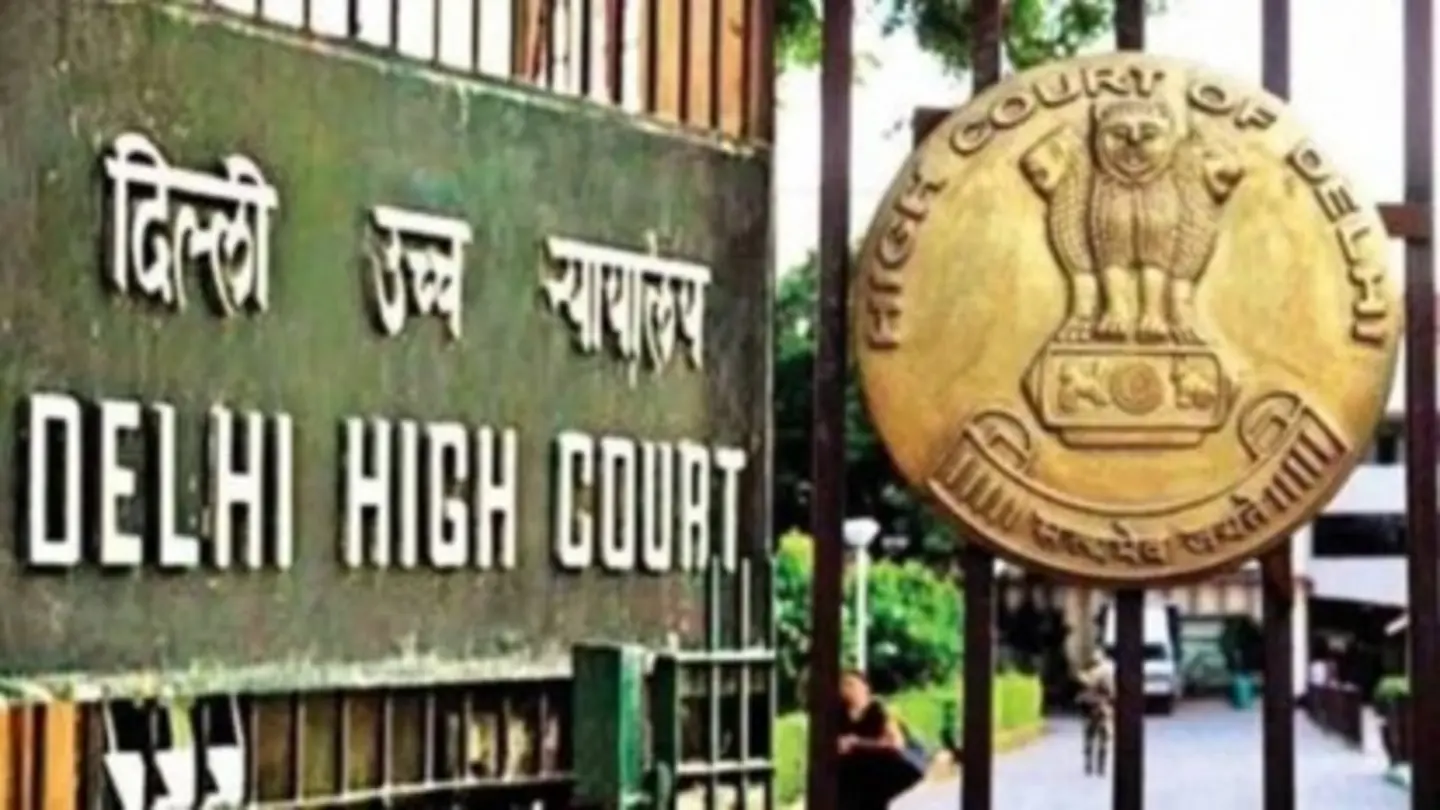
The Delhi High Court’s decision to release a former Bharatiya Janata Party (BJP) Member of Legislative Assembly (MLA) convicted of raping a minor has sparked outrage and raised serious questions about the application of law and judicial discretion. The MLA, whose identity is being withheld to protect the victim, was initially sentenced to imprisonment, but was granted bail by the High Court citing various factors, including the time already served and the lack of substantial evidence to justify continued detention.
The case dates back several years, with the victim initially filing a complaint alleging sexual assault. Following a protracted legal battle, a lower court convicted the MLA and handed down a prison sentence. However, the High Court’s intervention has overturned this conviction, leading to accusations of bias and a failure to uphold justice for the victim.
Key Arguments in the High Court Ruling
The High Court’s judgment rested on several key arguments. The court noted inconsistencies in the victim’s statements and questioned the reliability of the evidence presented by the prosecution. Furthermore, the defense argued that the relationship between the MLA and the victim was consensual, a claim vehemently denied by the prosecution. The court also considered the MLA’s age and health condition, stating that continued imprisonment would be detrimental to his well-being.
Critics of the ruling argue that the High Court placed undue emphasis on technicalities and overlooked the gravity of the offense. They contend that the inconsistencies in the victim’s statements are common in cases of sexual assault, particularly when the victim is a minor, and should not be used to discredit their testimony. Concerns have also been raised about the potential chilling effect this decision could have on other victims of sexual assault, discouraging them from coming forward to report such crimes.
The decision has ignited a political firestorm, with opposition parties accusing the BJP of using its influence to secure the MLA’s release. The BJP has vehemently denied these allegations, stating that the judiciary is independent and that the party respects the court’s decision. However, the timing of the release, coupled with the MLA’s political affiliation, has fueled speculation and mistrust.
Legal experts are divided on the merits of the High Court’s ruling. Some argue that the court was justified in overturning the conviction given the weaknesses in the prosecution’s case. Others maintain that the court erred in prioritizing the rights of the accused over the rights of the victim. The case is likely to be appealed to a higher court, where the decision will be subject to further scrutiny. The outcome of this appeal will have significant implications for the future of sexual assault cases in India and the protection of vulnerable individuals.
The incident underscores the ongoing challenges in ensuring justice for victims of sexual assault in India, where societal stigma and systemic biases often hinder the pursuit of accountability. It also highlights the need for greater sensitivity and awareness among judges and legal professionals when dealing with such sensitive cases.
Image Source: Google | Image Credit: Respective Owner