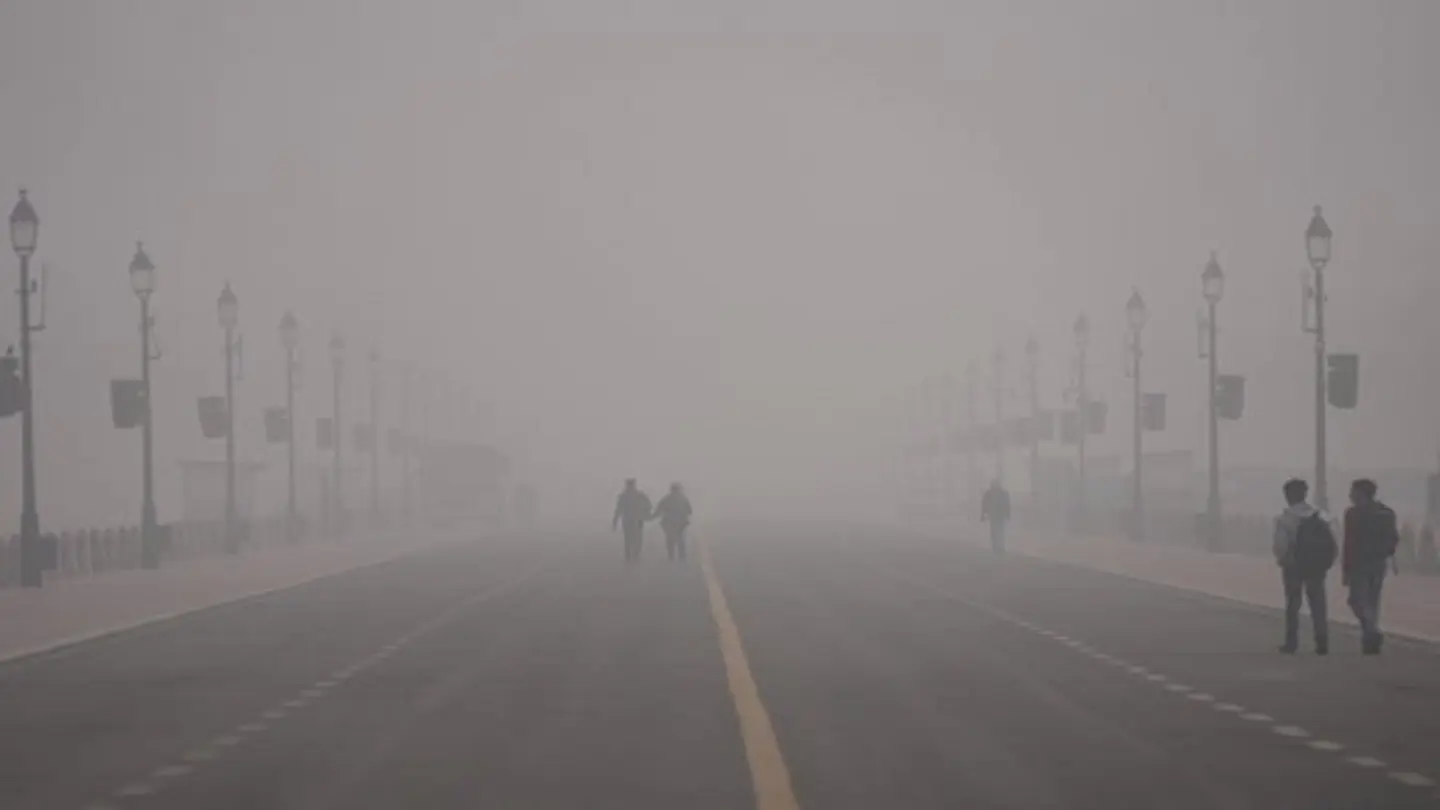
Delhi residents are bracing for severe weather disruptions as meteorologists issued an orange alert for dense fog and hazardous air quality throughout the weekend. The dual threat of poor visibility and toxic smog poses significant challenges for transportation and public health.
Weather officials have warned that fog conditions will intensify, particularly in the early morning and late evening hours, reducing visibility to less than 200 meters across several districts. The India Meteorological Department (IMD) has advised commuters to exercise extreme caution and has recommended postponing non-essential travel during peak fog hours.
Simultaneously, air quality indices have plummeted to hazardous levels, with particulate matter concentrations exceeding safe limits by multiple factors. Environmental scientists attribute the deteriorating air quality to a combination of meteorological factors, including temperature inversion, stagnant winds, and increased biomass burning in neighboring regions.
Local authorities have activated emergency response protocols, including traffic management measures and public health advisories. Hospitals have been put on standby to handle potential increases in respiratory emergencies, while schools have been advised to curtail outdoor activities.
The Delhi Pollution Control Committee has intensified monitoring activities, with real-time air quality data being shared across government platforms. Health experts have recommended that vulnerable populations, including children, elderly citizens, and individuals with pre-existing respiratory conditions, limit outdoor exposure and use protective masks when necessary.
Transportation networks are expected to face significant disruptions, with flight delays and cancellations anticipated at Indira Gandhi International Airport. Railway officials have deployed additional personnel to monitor tracks and ensure passenger safety during low-visibility conditions.
Environmental activists have reiterated calls for urgent policy interventions to address long-term air quality challenges. The current situation underscores the persistent environmental crisis facing the National Capital Region, particularly during winter months when atmospheric conditions exacerbate pollution levels.
Government agencies continue to coordinate response efforts, with the situation being monitored closely. Residents are advised to stay informed through official channels and follow safety guidelines issued by local authorities.
Image Source: Google | Image Credit: Respective Owner