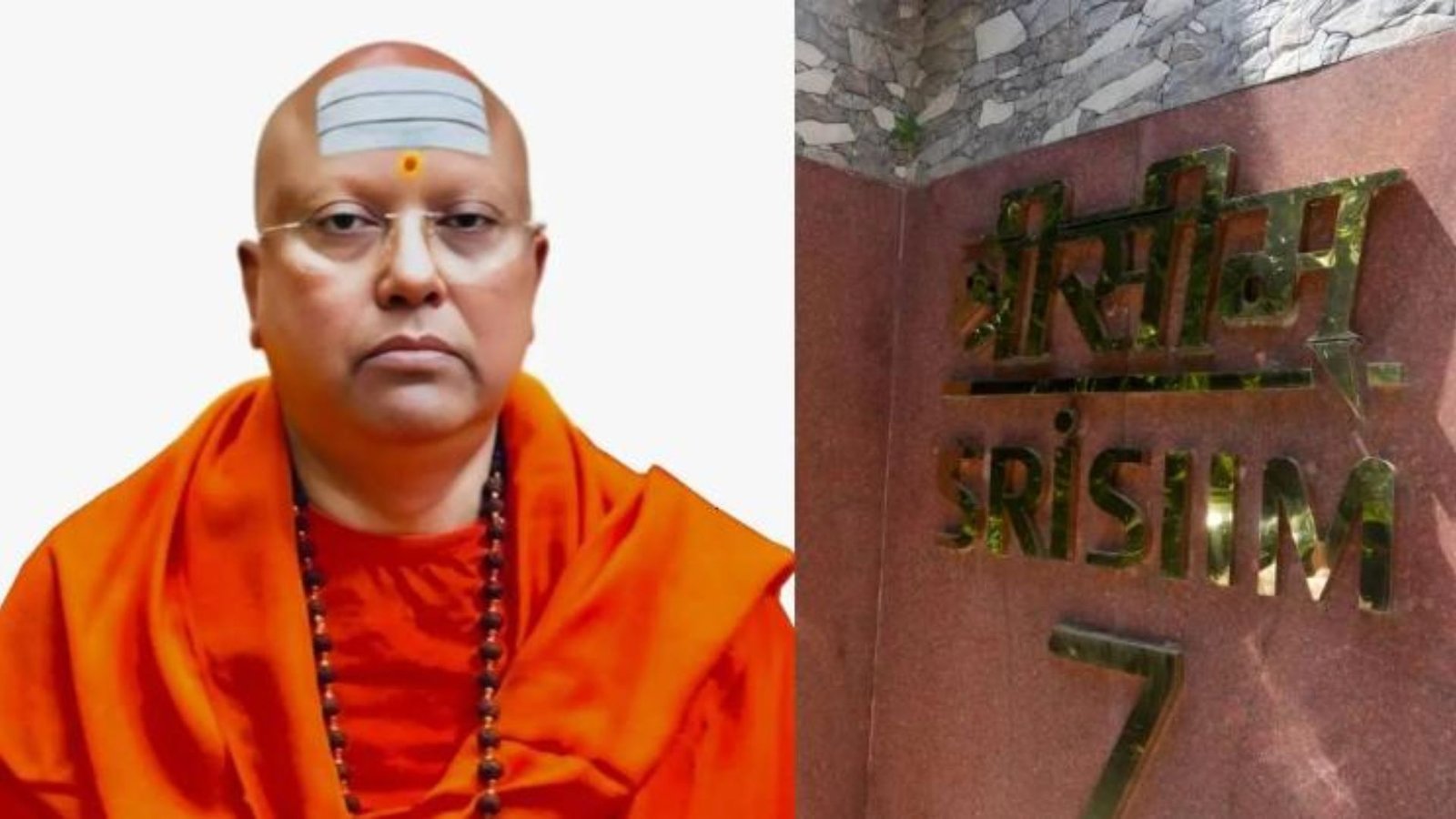
A Delhi court has denied anticipatory bail to Swami Chaitanyananda Saraswati in a fraud case, as reported by Bar and Bench. The case involves allegations of financial impropriety and deception, with the complainant accusing the Swami of misappropriating funds collected under false pretenses. The court’s decision underscores the seriousness with which it views such allegations, especially when they involve individuals holding positions of public trust and religious leadership.
The Allegations
The accusations against Swami Chaitanyananda Saraswati are centered around the alleged misuse of funds donated for charitable purposes. The complainant claims that the Swami solicited donations for specific projects but diverted the money for personal gain. These allegations include claims that the Swami used the funds to acquire personal assets and finance lavish expenditures, betraying the trust of donors and the community.
Court’s Reasoning
In its order denying bail, the court cited the gravity of the charges and the potential for the Swami to influence witnesses or tamper with evidence if released on bail. The court emphasized the importance of a fair and thorough investigation into the allegations, noting that the Swami’s position of influence could pose a significant obstacle to the pursuit of justice. The court also considered the risk of the Swami fleeing the jurisdiction to avoid prosecution.
The court further noted that the investigation is still in its early stages and that granting bail at this juncture would be premature. The prosecution argued that the Swami’s custodial interrogation is necessary to uncover the full extent of the fraud and to recover the misappropriated funds. The court agreed with this assessment, stating that the interests of justice would be best served by allowing the investigation to proceed unhindered.
Implications and Reactions
The denial of anticipatory bail is a significant setback for Swami Chaitanyananda Saraswati. It increases the likelihood of his arrest and custodial interrogation. The case has attracted considerable public attention, raising questions about the accountability of religious leaders and the management of charitable funds. The decision highlights the judiciary’s commitment to upholding the law, regardless of the defendant’s status or influence.
The complainant has welcomed the court’s decision, expressing confidence that the investigation will reveal the truth and bring the Swami to justice. Supporters of the Swami have criticized the allegations, claiming they are part of a conspiracy to defame him. The case is expected to continue to unfold in the coming weeks, with further hearings and investigations anticipated.
The outcome of this case could have far-reaching implications for the oversight of charitable organizations and the accountability of religious leaders in India. It serves as a reminder that no one is above the law and that those who abuse their positions of trust will be held accountable for their actions.
Image Source: Google | Image Credit: Respective Owner