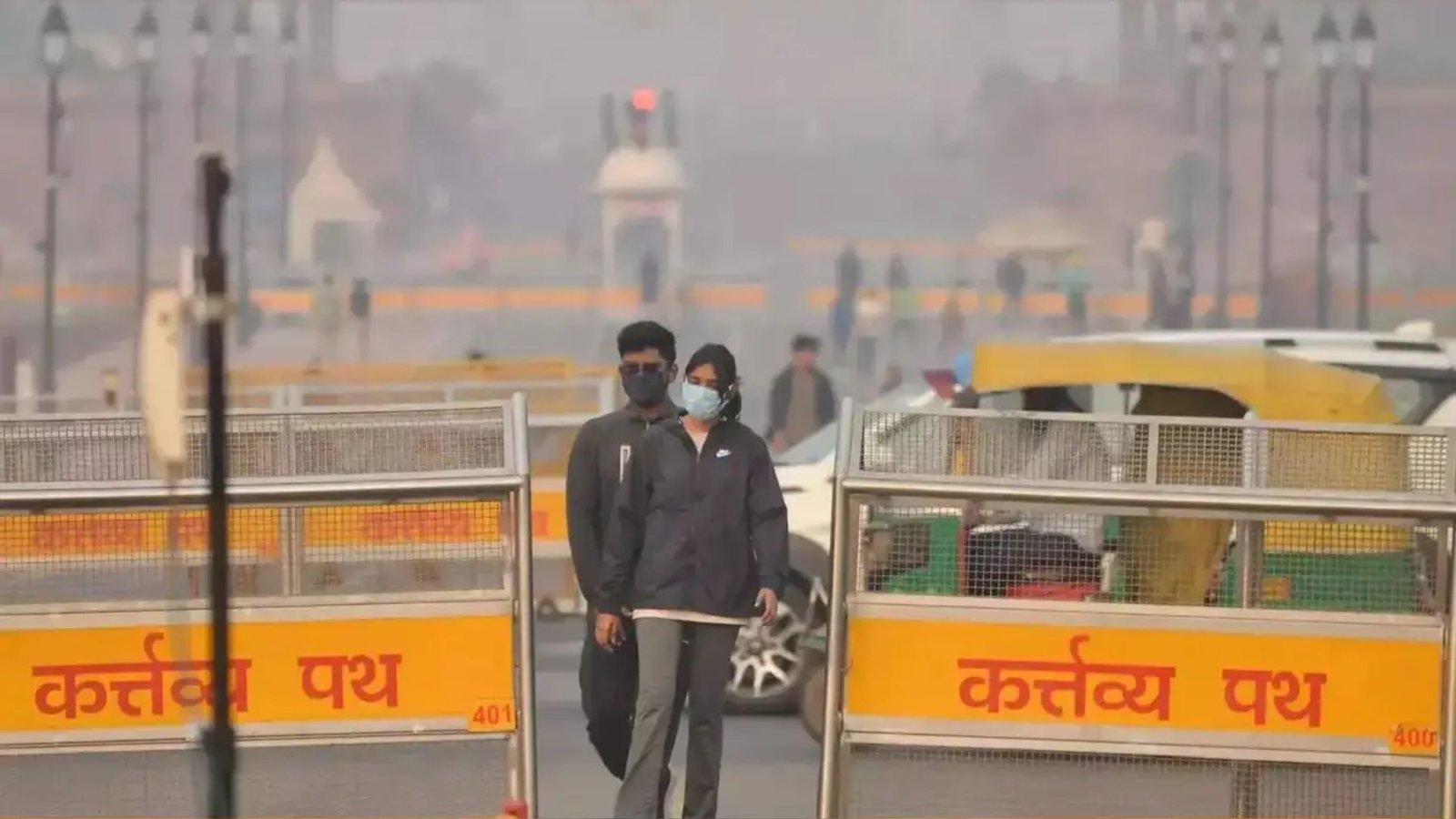
Delhi’s air quality has deteriorated sharply, with the national capital recording ‘severe’ Air Quality Index (AQI) levels at 16 locations. The alarming spike in pollution levels has raised concerns among residents and authorities alike. The deteriorating air quality poses significant health risks, particularly for vulnerable populations such as children, the elderly, and those with respiratory conditions.
The Severity of the Situation
The AQI, a measure of air quality, indicates the concentration of pollutants in the air. An AQI between 401 and 500 is considered ‘severe,’ indicating hazardous air quality that can affect even healthy individuals. The presence of ‘severe’ AQI levels at multiple locations across Delhi underscores the widespread nature of the pollution crisis. Noida, a city bordering Delhi, is also experiencing concerning levels of air pollution, further highlighting the regional impact of the issue.
The primary culprits behind Delhi’s air pollution woes are a combination of factors. These include vehicular emissions, industrial activities, construction dust, and stubble burning in neighboring states. The burning of crop residue after the harvest season releases vast amounts of smoke and pollutants into the atmosphere, contributing significantly to the deteriorating air quality in Delhi and surrounding areas. Meteorological conditions, such as stagnant air and low wind speeds, further exacerbate the problem by preventing the dispersion of pollutants.
Authorities have implemented various measures to combat air pollution in Delhi, including restrictions on vehicular movement, increased monitoring of industrial emissions, and the use of water sprinklers to suppress dust. However, the effectiveness of these measures remains limited, and the air quality continues to fluctuate depending on weather conditions and human activities. Long-term solutions are needed to address the root causes of pollution and ensure sustainable improvements in air quality.
The Delhi government has issued health advisories urging residents to take precautions to protect themselves from the harmful effects of air pollution. These advisories include recommendations to avoid outdoor activities, wear masks, and seek medical attention if experiencing respiratory symptoms. Schools and other institutions have also been advised to take necessary measures to protect students and staff from exposure to polluted air. The ongoing air pollution crisis underscores the urgent need for comprehensive and coordinated efforts to address this environmental challenge and safeguard public health.
The situation demands stricter enforcement of existing regulations, promotion of cleaner transportation options, investment in pollution control technologies, and greater public awareness about the causes and consequences of air pollution. The collaborative effort between government agencies, industries, and citizens is crucial to achieving long-term improvements in air quality and creating a healthier and more sustainable environment for all.
Image Source: Google | Image Credit: Respective Owner