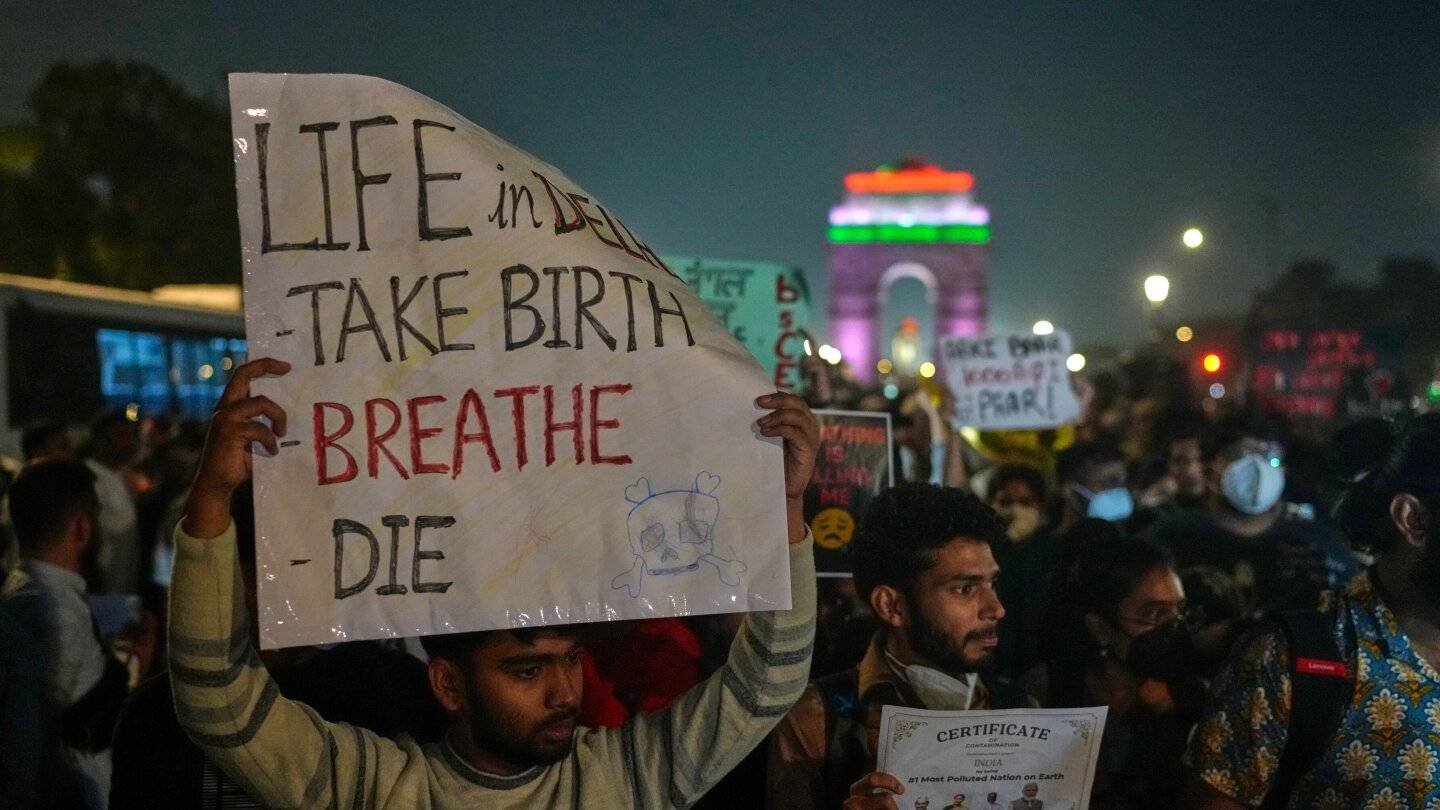
New Delhi is grappling with a severe air pollution crisis, triggering widespread public discontent and prompting demonstrations. The city’s air quality has plummeted to hazardous levels, exceeding permissible limits by a significant margin, impacting the health and well-being of its residents. The deteriorating air quality has been attributed to a combination of factors, including vehicular emissions, industrial activities, construction dust, and the burning of crop residue in neighboring states.
Causes of the Pollution Crisis
The annual post-harvest burning of agricultural waste in Punjab and Haryana contributes significantly to the smog that engulfs Delhi during the winter months. Smoke from these fires travels to the capital, exacerbating the already high levels of pollutants. In addition, the increasing number of vehicles on Delhi’s roads and the ongoing construction boom further compound the problem. Stubble burning, a cheap and quick way for farmers to clear their fields after harvest, releases massive amounts of particulate matter into the atmosphere. Compounding the issue are meteorological factors; stagnant air and low wind speeds prevent the dispersal of pollutants, trapping them close to the ground. This has led to the Air Quality Index (AQI) readings consistently reaching ‘severe’ or ‘hazardous’ levels.
The consequences of this pollution are dire. Exposure to such high levels of air pollution can lead to a range of health problems, including respiratory illnesses, cardiovascular diseases, and even cancer. Children and the elderly are particularly vulnerable. Schools are often forced to close, and outdoor activities are curtailed, disrupting daily life. The economic impact is also significant, with reduced productivity and increased healthcare costs.
Public Outcry and Protests
Frustration over the government’s inability to effectively address the issue has boiled over into protests. Residents, environmental activists, and concerned citizens have taken to the streets to demand immediate action. The protests highlight a growing sense of urgency and a demand for accountability from policymakers. The demonstrations are a rare occurrence in Delhi, signifying the depth of public concern. Activists are calling for stricter enforcement of environmental regulations, investment in public transport, and a shift towards cleaner energy sources.
Government Response and Future Outlook
The government has implemented various measures to combat air pollution, including restrictions on vehicular movement, temporary shutdowns of construction activities, and the use of water sprinklers to suppress dust. However, these measures have had limited success in mitigating the problem. A more comprehensive and long-term approach is needed, including addressing the root causes of pollution and promoting sustainable practices. The Delhi government has also announced plans to expand the city’s green cover and promote the use of electric vehicles. Success hinges on regional cooperation and a sustained commitment to clean air initiatives.
Image Source: Google | Image Credit: Respective Owner