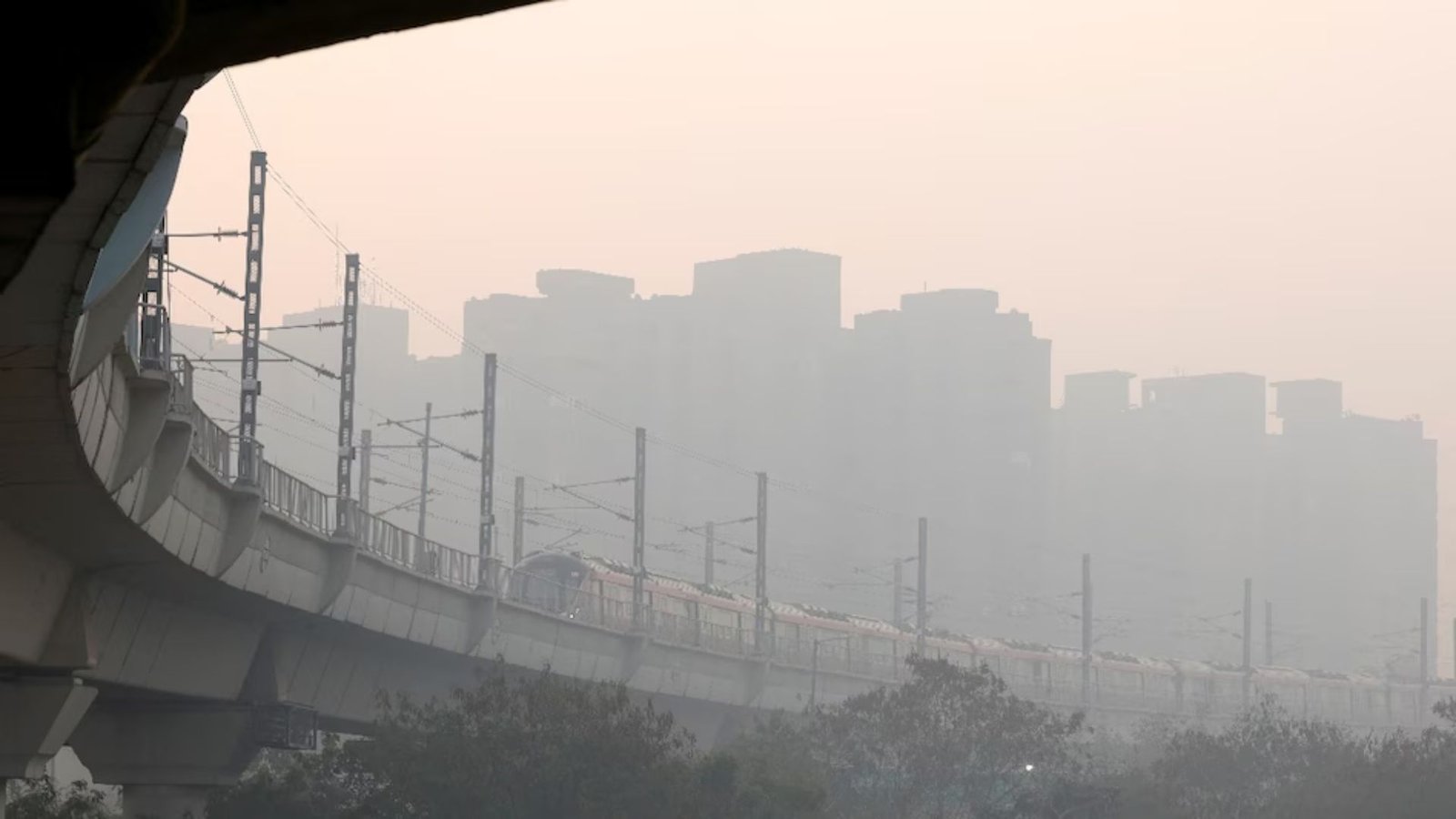
Delhi’s air quality deteriorated significantly, slipping into the ‘severe’ category on [insert current date based on request time], according to the Central Pollution Control Board (CPCB). Several areas across the city recorded Air Quality Index (AQI) values exceeding 400, indicating hazardous levels of pollution. This spike in pollution poses significant health risks, particularly for vulnerable populations such as children, the elderly, and those with respiratory ailments.
The primary contributors to this alarming surge in pollution levels include unfavorable meteorological conditions, such as low wind speed and stable atmospheric conditions, which prevent the dispersion of pollutants. Additionally, increased vehicular traffic, industrial emissions, and the burning of crop residue in neighboring states have exacerbated the situation. The combination of these factors has created a toxic cocktail of pollutants that are severely impacting the air quality in the national capital.
Specific Areas Affected
Areas such as Anand Vihar, Dwarka, and Rohini have reported particularly high AQI levels, with values consistently above 450. These areas are densely populated and experience heavy traffic congestion, which contributes significantly to the local pollution load. The CPCB has issued advisories urging residents to minimize outdoor activities and use N95 masks when venturing outside. Health experts have also warned of a potential increase in respiratory illnesses and urged people to take necessary precautions.
The Delhi government has implemented several measures to combat air pollution, including the deployment of water sprinklers to suppress dust, intensifying inspections of construction sites to ensure compliance with dust control measures, and restricting the entry of polluting vehicles into the city. However, these measures appear to be insufficient to mitigate the current crisis. The effectiveness of these interventions is often hampered by the sheer scale of the problem and the lack of coordination with neighboring states.
Challenges and Future Outlook
The persistent problem of air pollution in Delhi highlights the urgent need for a comprehensive and multi-faceted approach. This includes stricter enforcement of environmental regulations, promoting the use of public transportation, investing in clean energy sources, and addressing the issue of crop residue burning through sustainable agricultural practices. Furthermore, greater regional cooperation is essential to tackle the cross-border movement of pollutants.
The long-term solution to Delhi’s air pollution crisis requires a fundamental shift in attitudes and behaviors. Citizens need to be more aware of the impact of their actions on the environment and take steps to reduce their carbon footprint. The government must also prioritize environmental protection and implement policies that promote sustainable development. Unless these measures are taken, Delhi will continue to grapple with the severe consequences of air pollution.
The current situation serves as a stark reminder of the environmental challenges facing Delhi and the urgent need for decisive action to protect public health and ensure a sustainable future. The severity of the pollution necessitates immediate and long-term strategies to mitigate its effects and prevent future occurrences.
Image Source: Google | Image Credit: Respective Owner