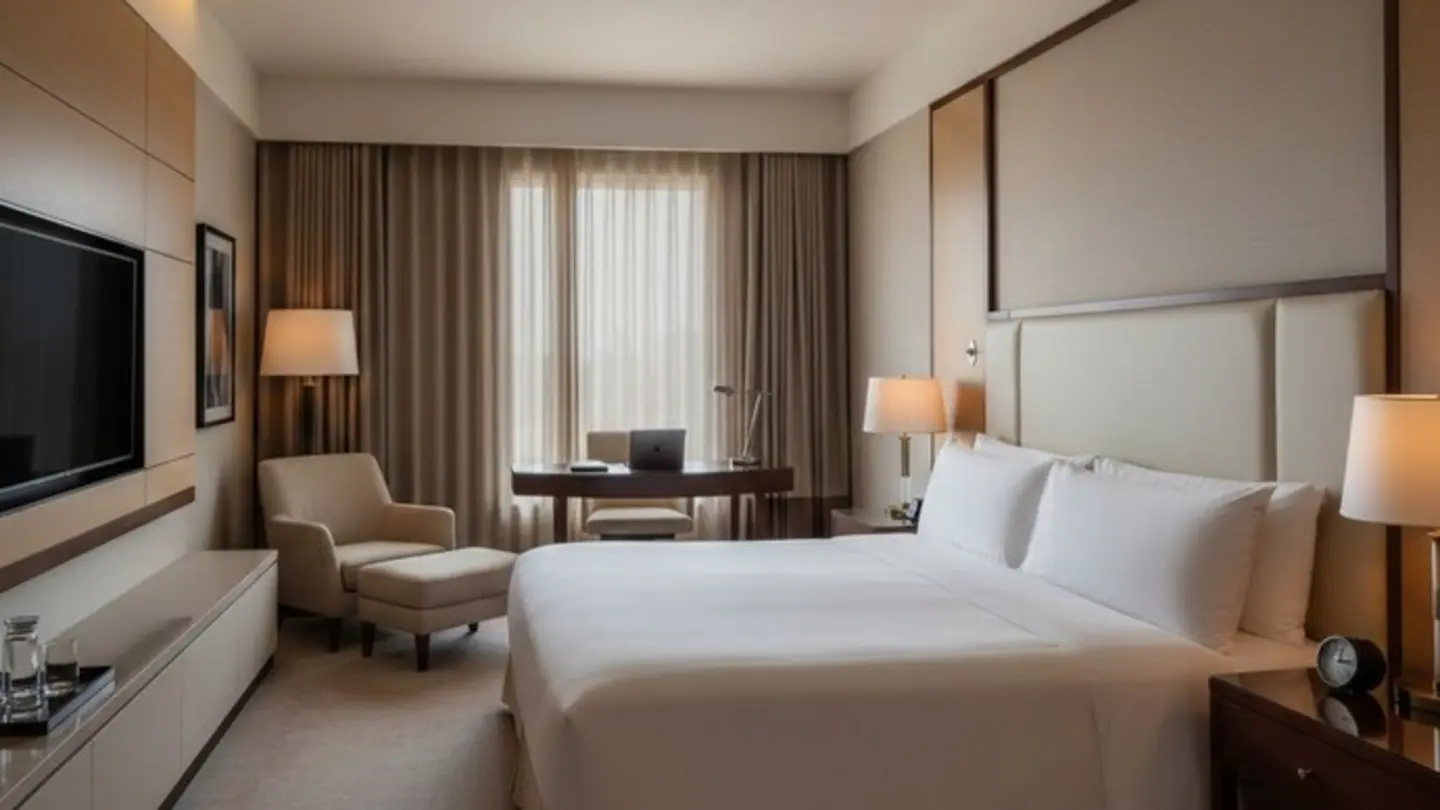
Delhi’s hospitality sector is witnessing an extraordinary surge as the city gears up for a landmark artificial intelligence summit. Featuring Alphabet CEO Sundar Pichai and OpenAI founder Sam Altman, the event has turned hotel rooms into high-value assets, with luxury suites commanding prices as high as Rs 30 lakh per night. The demand, described by industry insiders as "booming beyond expectations," has led to sold-out status across major hotels weeks before the summit’s commencement. Analysts attribute the phenomenon to the convergence of global tech leaders in the capital, creating a unique opportunity for businesses to network in a tech-centric environment.
The AI summit, slated to take place at the prestigious India Habitat Centre, is projected to attract over 5,000 participants, including CEOs, venture capitalists, and journalists from across the globe. The venue’s central location and top-tier facilities make it an ideal hub for high-stakes discussions on AI ethics, regulation, and innovation. Leading hotel chains such as The Leela Palace, Hyatt Regency, and Oberoi Hotels have reported complete sell-out of their premium inventories, while budget accommodations near the venue are operating at 95% occupancy.
The pricing dynamics are staggering. While standard business rooms are averaging Rs 40,000 per night, luxury suites are being booked at Rs 30 lakh per night. A spokesperson for The Leela Palace confirmed that their presidential suites, typically priced at Rs 15 lakh, have been upgraded and sold out at Rs 30 lakh due to the event’s exclusivity. Similarly, Oberoi Hotels have extended their stay options for delegates, with complimentary room service and airport transfers offered to encourage longer stays. Even mid-range properties like Le Meridien are seeing their highest ever rates, with rooms booked at Rs 2 lakh per night.
Industry leaders are sounding optimistic notes. Ritu Singh, Managing Director of The Oberoi Group, stated, "This is a once-in-a-decade opportunity for Delhi’s hotels. The AI summit has elevated Delhi’s profile as a global business destination. We are leveraging this opportunity to showcase our premium offerings, and the response has been overwhelming. The high prices reflect not just the room, but the experience and status associated with hosting such a prestigious event. Our delegates are not just staying; they are making statements."
The economic ripple effect is significant. Analysts estimate that the summit could inject at least Rs 100 crore into Delhi’s hospitality market, providing a much-needed boost in the wake of post-pandemic recovery challenges. However, the artificial inflation of prices has raised concerns. Some hotel operators fear that the short-term gains might lead to long-term pricing volatility, potentially alienating future business travelers if rates do not normalize. Additionally, the surge in demand has led to a temporary shortage of accommodations, prompting hotel groups to partner with serviced apartment providers to expand their offerings.
To accommodate the demand, hotels are collaborating with serviced apartment providers and local guesthouses. The city’s serviced apartment market, which usually caters to expats, has seen a 60% increase in bookings. This partnership model underscores the adaptability of the hospitality industry in responding to mega-events. However, the strain on existing infrastructure has led to calls for better planning in future such gatherings.
Looking forward, the success of this summit could pave the way for Delhi to host more international tech conferences, enhancing its reputation as a tech hub. Hotel industry bodies are advocating for infrastructure improvements, including new luxury properties, to sustain such high-level events. Nevertheless, the immediate priority is managing guest expectations and ensuring seamless service delivery amid the heightened scrutiny from a global audience. With rooms priced at Rs 30 lakh, hotels are under pressure to deliver unparalleled service quality, from personalized concierge to exclusive dining experiences.
As the summit approaches, the city’s hotel sector is operating at full capacity, turning every available room into a platform for showcasing India’s ambition in the global AI race. The economic windfall, while substantial, comes with challenges that the industry must navigate to ensure that such high-profile events translate into sustained growth for Delhi’s hospitality and tourism sectors.
Image Source: Google | Image Credit: Respective Owner