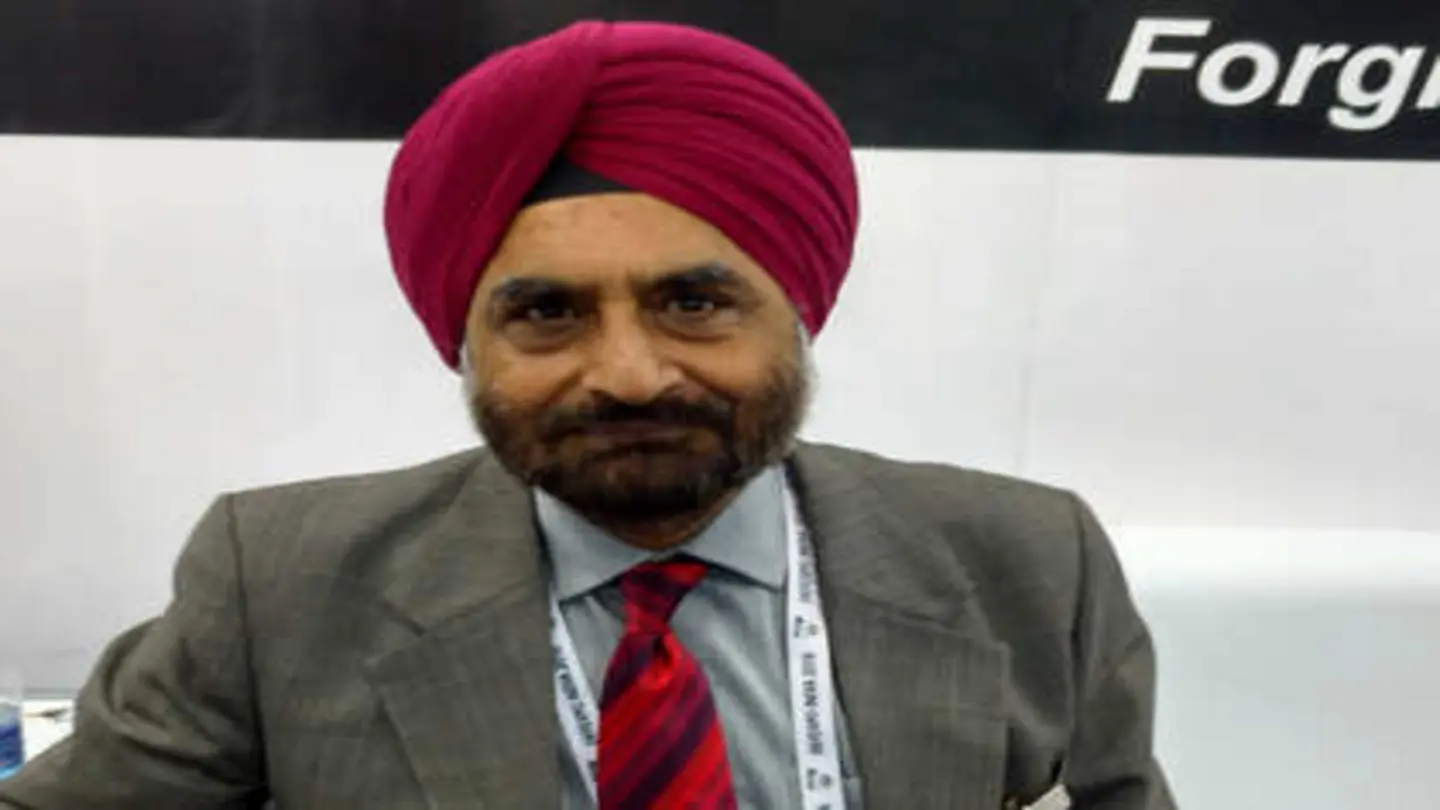
Rajinder Bhatia, President and CEO of Defence, Bharat Forge, has emphasized the critical need for India’s defence sector to foster the growth of 100,000 startups and significantly reduce acquisition cycles. Speaking at a recent industry event, Bhatia highlighted the importance of innovation and agility in maintaining a competitive edge in the rapidly evolving global defence landscape. He asserted that India’s ambition to become a major defence exporter hinges on its ability to cultivate a vibrant ecosystem of startups capable of developing cutting-edge technologies.
Startup Ecosystem
Bhatia underscored that the current number of startups engaged in defence innovation is far below the required threshold. He called for a concerted effort from both the government and private sector to encourage entrepreneurship and provide the necessary resources, including funding, mentorship, and access to testing facilities. He suggested that incubation centers and accelerator programs specifically tailored for defence startups could play a pivotal role in nurturing these nascent ventures.
Acquisition Cycle Efficiency
Another key area of concern raised by Bhatia was the protracted acquisition cycles that plague the Indian defence sector. He argued that the lengthy bureaucratic processes involved in acquiring defence equipment not only impede modernization efforts but also discourage foreign investment and technology transfer. Bhatia advocated for streamlining the acquisition process through greater transparency, accountability, and the adoption of best practices from other countries.
He proposed the implementation of a fast-track acquisition mechanism for critical technologies and urged the government to empower the armed forces with greater autonomy in procurement decisions. He emphasized that reducing the acquisition cycle would enable the armed forces to rapidly induct advanced weaponry and systems, thereby enhancing their operational capabilities.
Technological Advancement
Bhatia also stressed the importance of investing in research and development to promote indigenous defence manufacturing. He advocated for closer collaboration between defence PSUs, private companies, and academic institutions to foster innovation and develop indigenous solutions to meet the country’s defence needs. He urged the government to provide incentives for companies that invest in R&D and to create a conducive environment for technology transfer.
He called for a shift in mindset, emphasizing the need to view defence as a strategic sector with significant growth potential. He asserted that by embracing innovation, streamlining acquisition processes, and fostering indigenous manufacturing, India can transform its defence sector into a major driver of economic growth and technological advancement.
Bhatia’s comments come at a time when the Indian government is actively promoting self-reliance in defence production through initiatives like ‘Make in India’. The government has set ambitious targets for defence exports and is taking steps to encourage private sector participation in the sector. His recommendations provide valuable insights for policymakers and industry stakeholders as they work towards building a stronger and more competitive Indian defence industry.
Image Source: Google | Image Credit: Respective Owner