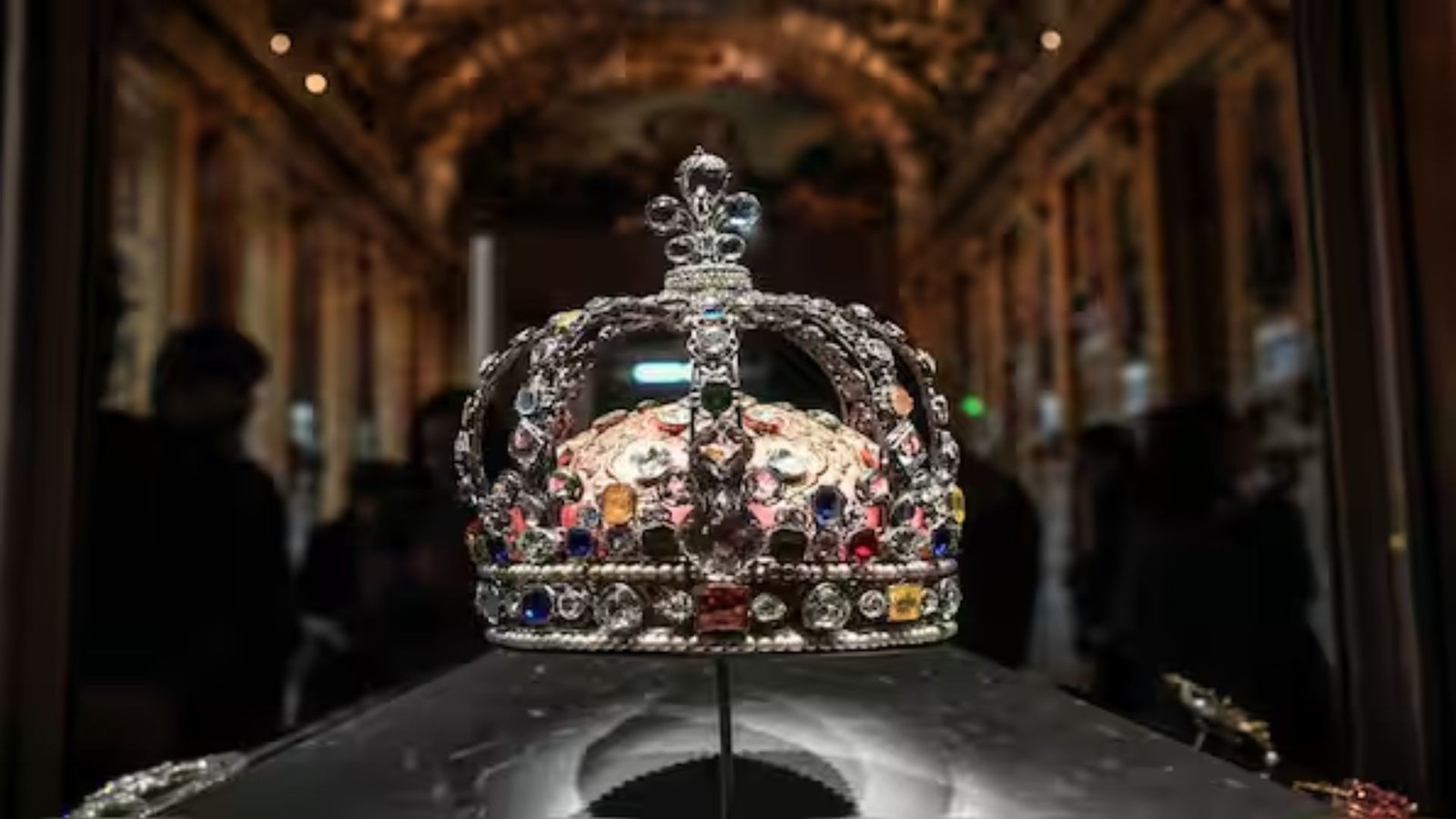
The saga of a famed diamond, originating from the Golconda mines in India, has taken a new turn as it finds itself linked to a recent heist and destined for display at the Louvre Museum. This jewel, steeped in history and whispered to carry a curse, has captivated historians and gemologists alike for centuries. Its journey from the depths of Indian mines to the heart of Parisian culture is a tale of power, intrigue, and misfortune.
The Golconda Origins
Golconda, a region in present-day Telangana, India, was once the world’s primary source of diamonds. The mines here produced some of the largest and most exquisite diamonds ever discovered, renowned for their exceptional clarity and brilliance. The ‘cursed’ diamond in question, believed to have been unearthed centuries ago, quickly gained notoriety for the misfortunes that befell its owners. Stories circulated of rulers losing their kingdoms, families torn apart by betrayal, and untimely deaths attributed to the diamond’s malevolent influence. Despite these ominous tales, its allure remained irresistible.
The diamond passed through the hands of numerous Indian rulers, each adding to its mystique and the growing list of purported victims. The diamond’s journey out of India is shrouded in mystery, with accounts varying from being gifted to European royalty to being stolen during a period of political upheaval. Once on European soil, its reputation continued to precede it, weaving a tapestry of legends and warnings.
The Diamond’s European Odyssey
In Europe, the diamond changed hands among noble families and wealthy collectors, each new owner seemingly encountering a fresh wave of misfortune. The diamond became a symbol of both wealth and peril, a constant reminder of the unpredictable nature of fortune. Tales of its curse grew more elaborate, with some believing it was haunted by the spirits of those who had perished because of it.
The recent heist, which initially cast doubt on the diamond’s whereabouts, has only added another layer to its already complex history. The fact that it was seemingly left behind during the theft has fueled speculation about its true value and the authenticity of the curse. Now, with its acquisition by the Louvre Museum, the diamond is poised to enter a new phase of its existence, transforming from a private possession to a public artifact.
A Louvre Exhibit
The Louvre’s decision to display the diamond is significant, not only for its artistic and historical value but also for its cultural implications. The exhibit promises to explore the diamond’s complete journey, from its origins in India to its tumultuous passage through European history and its connection to the recent heist. The museum hopes to provide a balanced perspective, separating fact from fiction and presenting the diamond as a testament to human ambition, greed, and the enduring power of legends. Visitors will have the opportunity to examine the diamond up close, contemplate its beauty, and perhaps even feel a shiver down their spines as they consider the tales of its curse. The exhibit is expected to draw large crowds, eager to witness this enigmatic gem and its captivating story.
Image Source: Google | Image Credit: Respective Owner