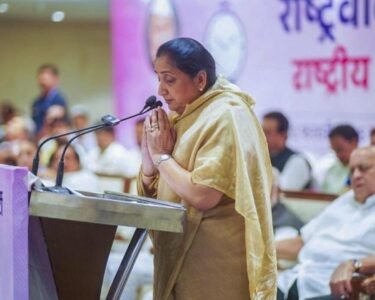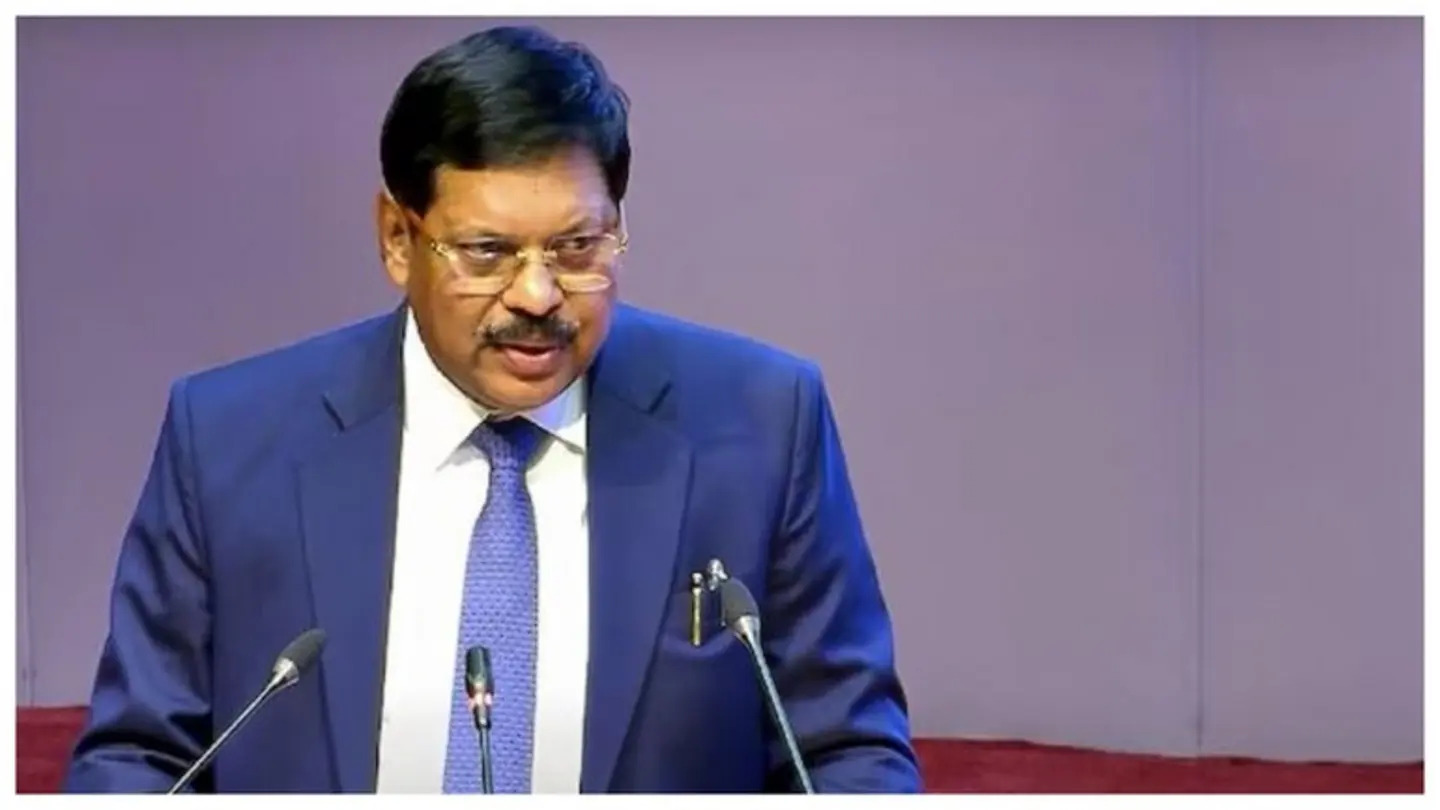
Chief Justice of India (CJI) DY Chandrachud, along with Justice Gavai, addressed concerns regarding the distribution of benefits within reserved categories. Justice Gavai pointed out that the ‘creamy layer’ often corners a significant portion of the jobs quota, perpetuating inequality and hindering the intended beneficiaries from accessing opportunities. The observations were made during a hearing concerning reservations and social justice.
The CJI emphasized the need for a more equitable distribution of resources and opportunities within reserved categories. He stressed the importance of ensuring that the benefits of affirmative action reach those who are truly marginalized and disadvantaged. The court acknowledged that the current system may inadvertently favor the more affluent and influential members within these groups, thereby undermining the very purpose of reservations.
Examining the ‘Creamy Layer’ Concept
The ‘creamy layer’ refers to members of backward classes who have attained a certain level of economic and social advancement, making them ineligible for reservation benefits. The concept aims to exclude those who no longer face the same degree of disadvantage as others within their community. However, the implementation of this principle has been a subject of debate and scrutiny.
The court’s observations underscore the complexities and challenges associated with implementing reservation policies effectively. While reservations are intended to address historical injustices and promote social inclusion, they can sometimes exacerbate existing inequalities if not carefully designed and implemented. The focus on the ‘creamy layer’ highlights the need for a nuanced approach that takes into account the diverse socio-economic realities within reserved categories.
The bench’s discussion also touched upon the broader implications of reservation policies for Indian society. The judges recognized the importance of striking a balance between affirmative action and the principle of equality. They emphasized that reservations should not become a tool for perpetuating caste-based divisions or creating new forms of inequality. Instead, they should serve as a means to uplift marginalized communities and promote a more just and equitable society.
Call for a Reassessment
The court’s remarks are likely to prompt a reassessment of the existing reservation policies and the criteria for determining the ‘creamy layer’. Experts suggest that a more comprehensive and data-driven approach is needed to identify and exclude those who are genuinely not in need of reservation benefits. This may involve considering factors such as income, education, occupation, and social status.
Furthermore, the court’s observations may also lead to a broader debate about the effectiveness of reservations as a tool for social justice. Some argue that alternative approaches, such as targeted welfare programs and investments in education and skills development, may be more effective in addressing the root causes of inequality. The need of the hour is a comprehensive plan with stringent monitoring and judicial overwatch so that the benefits percolate to the intended beneficiaries.
The case is ongoing, and the court is expected to issue further directions in the coming days. The outcome of this case could have significant implications for the future of reservation policies in India.
Image Source: Google | Image Credit: Respective Owner