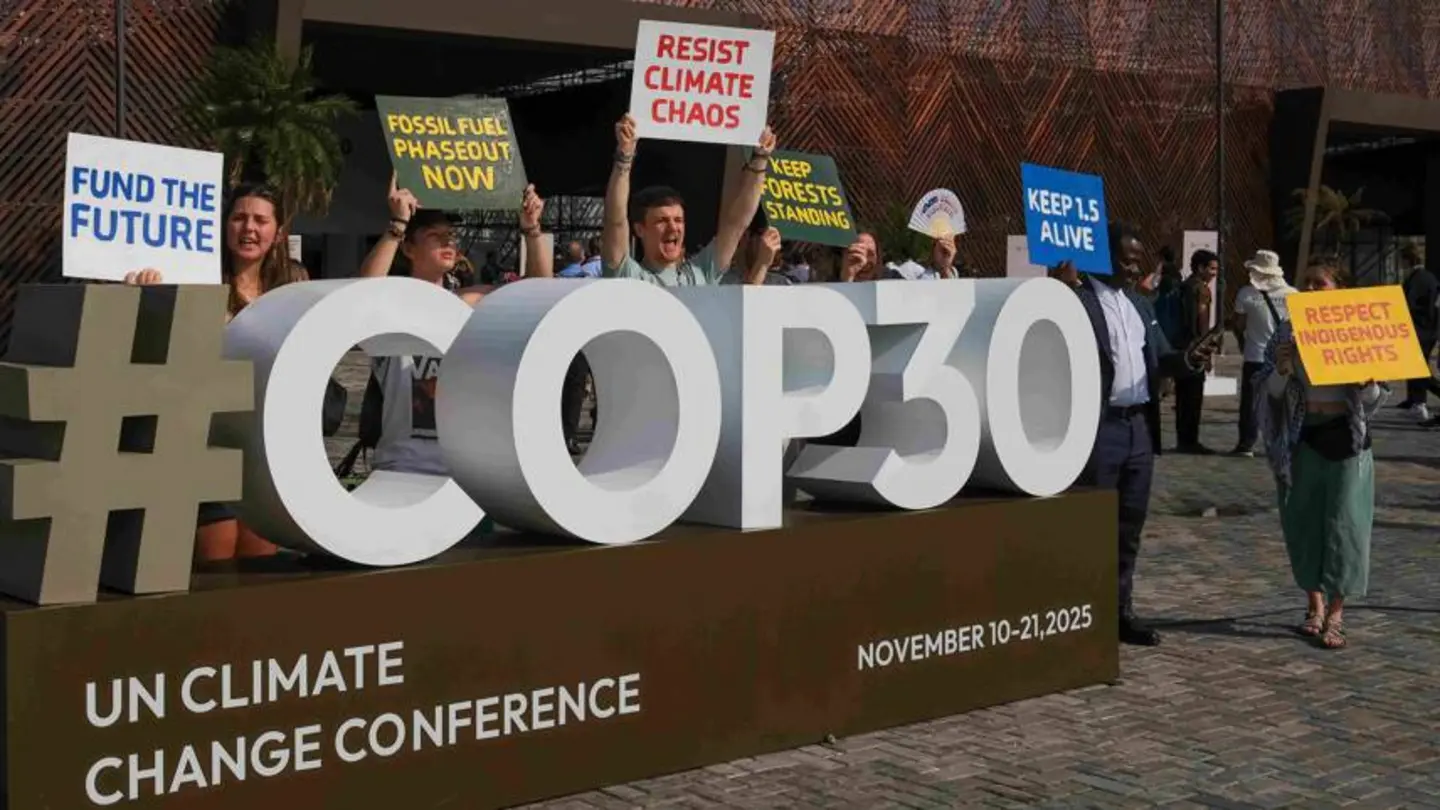
As the world gears up for the COP30 climate negotiations, a growing chorus of voices is demanding significant changes to the structure and approach of these crucial international gatherings. The annual Conference of the Parties (COP) summits, designed to foster global cooperation in addressing climate change, have increasingly come under scrutiny for their perceived shortcomings and failures to deliver meaningful action.
Activists, scientists, and government representatives alike are expressing concerns about the effectiveness of the current COP format. One of the primary criticisms revolves around the slow pace of progress and the often diluted outcomes resulting from lengthy negotiations and compromises. Many feel that the urgent nature of the climate crisis necessitates bolder and more decisive action than what has been achieved so far.
Key Areas of Concern
Several key areas are fueling the clamor for change. Firstly, the issue of representation and inclusivity is paramount. Critics argue that the voices of vulnerable communities and developing nations, who are disproportionately affected by climate change, are often marginalized in the negotiations. Ensuring equitable participation and incorporating diverse perspectives is seen as essential for achieving fair and effective climate solutions.
Secondly, the influence of corporate interests and fossil fuel lobbyists within the COP process is a major point of contention. Concerns are raised about the potential for these actors to undermine ambitious climate targets and delay the transition to a low-carbon economy. Calls for greater transparency and accountability in the involvement of private sector entities are gaining momentum.
Thirdly, the effectiveness of existing mechanisms for climate finance is being questioned. Developed countries have pledged to provide financial assistance to developing nations to support their climate mitigation and adaptation efforts, but the delivery of these funds has often fallen short. Improving the accessibility and predictability of climate finance is crucial for building trust and ensuring that developing countries can effectively address climate change.
Moreover, the ambition of national climate pledges, known as Nationally Determined Contributions (NDCs), is a critical factor. Many argue that current NDCs are insufficient to limit global warming to the internationally agreed target of 1.5 degrees Celsius above pre-industrial levels. Increasing the ambition of NDCs and implementing robust mechanisms for monitoring and enforcing these commitments is essential for closing the emissions gap.
The upcoming COP30 summit presents an opportunity to address these concerns and implement meaningful reforms to the COP process. Discussions are underway regarding potential changes to the negotiation format, increased transparency and accountability measures, and improved mechanisms for climate finance and ambition. Whether these efforts will be sufficient to deliver the transformative change needed to tackle the climate crisis remains to be seen, but the growing clamor for action signals a renewed determination to hold world leaders accountable and accelerate progress towards a sustainable future.
Image Source: Google | Image Credit: Respective Owner