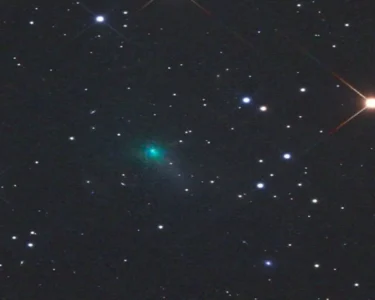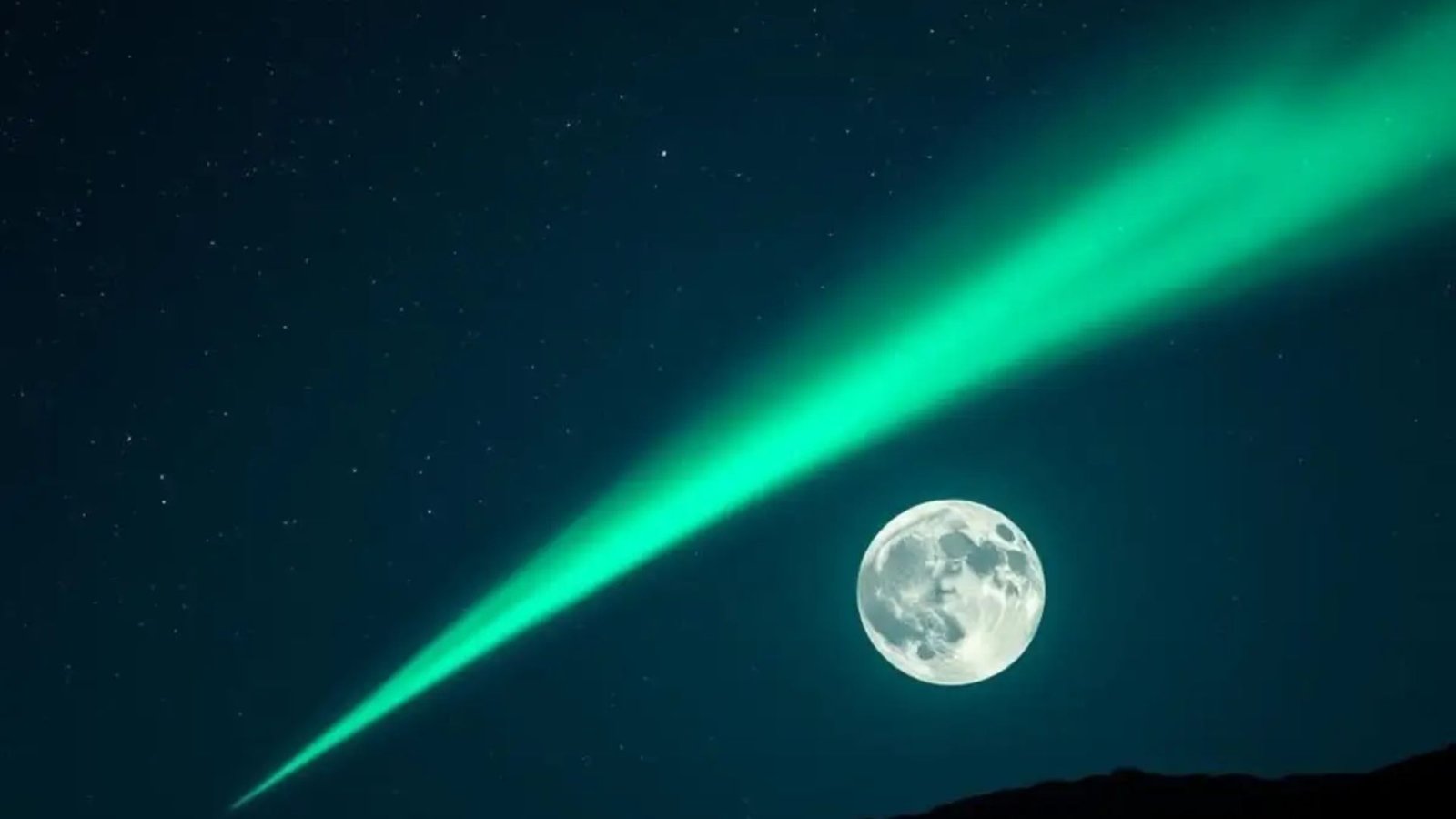
Comet C/2025 R2 (SWAN) is set to make a close approach to Earth next week, offering skywatchers a potential opportunity to observe this celestial visitor. Discovered relatively recently, Comet SWAN has been steadily brightening as it approaches the inner solar system, raising hopes that it may become visible to the naked eye under favorable conditions.
Viewing Opportunities
The comet will be closest to Earth in the coming days, making this period the best time to attempt a sighting. To maximize your chances of spotting Comet SWAN, find a location away from city lights with a clear, unobstructed view of the night sky. Binoculars or a small telescope may be necessary, especially if the comet’s brightness remains modest. Look towards the constellation of Cygnus during the early morning hours, before sunrise. Astronomy apps and websites can help pinpoint the comet’s exact location in the sky.
While there’s a chance Comet SWAN could become bright enough to see without optical aid, its visibility to the naked eye is not guaranteed. The comet’s actual brightness depends on several factors, including its composition, size, and how it interacts with solar radiation. Comets are notoriously unpredictable, and their brightness can change rapidly.
The Economic Times reports that the comet’s trajectory will bring it within a relatively short distance of our planet, heightening interest among both amateur and professional astronomers. Observations of Comet SWAN will provide valuable data about its composition and origin, contributing to our understanding of the early solar system. Comets are icy remnants from the formation of the planets, and studying them offers insights into the materials and processes that shaped our cosmic neighborhood.
For those eager to catch a glimpse of Comet SWAN, patience and preparation are key. Check weather forecasts to ensure clear skies, and consult online resources for the latest information on the comet’s position and brightness. Even if the comet remains faint, the experience of searching for it can be rewarding for astronomy enthusiasts. The passage of a comet is a reminder of the dynamic nature of our solar system and the constant motion of celestial objects across the vast expanse of space. Observing such events fosters a sense of connection to the cosmos and an appreciation for the wonders of the universe. Remember to share your observations and photos with the astronomical community, and enjoy the celestial show!
This event serves as a great opportunity to introduce children and young adults to the wonders of astronomy. It can spark curiosity and foster a lifelong interest in science and space exploration. Observing a comet, even through binoculars, can be an inspiring experience that leaves a lasting impression.
Image Source: Google | Image Credit: Respective Owner