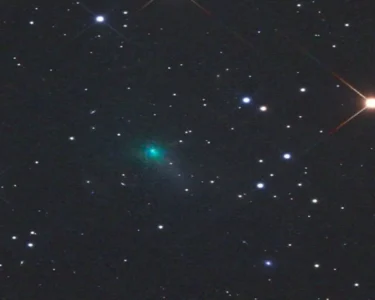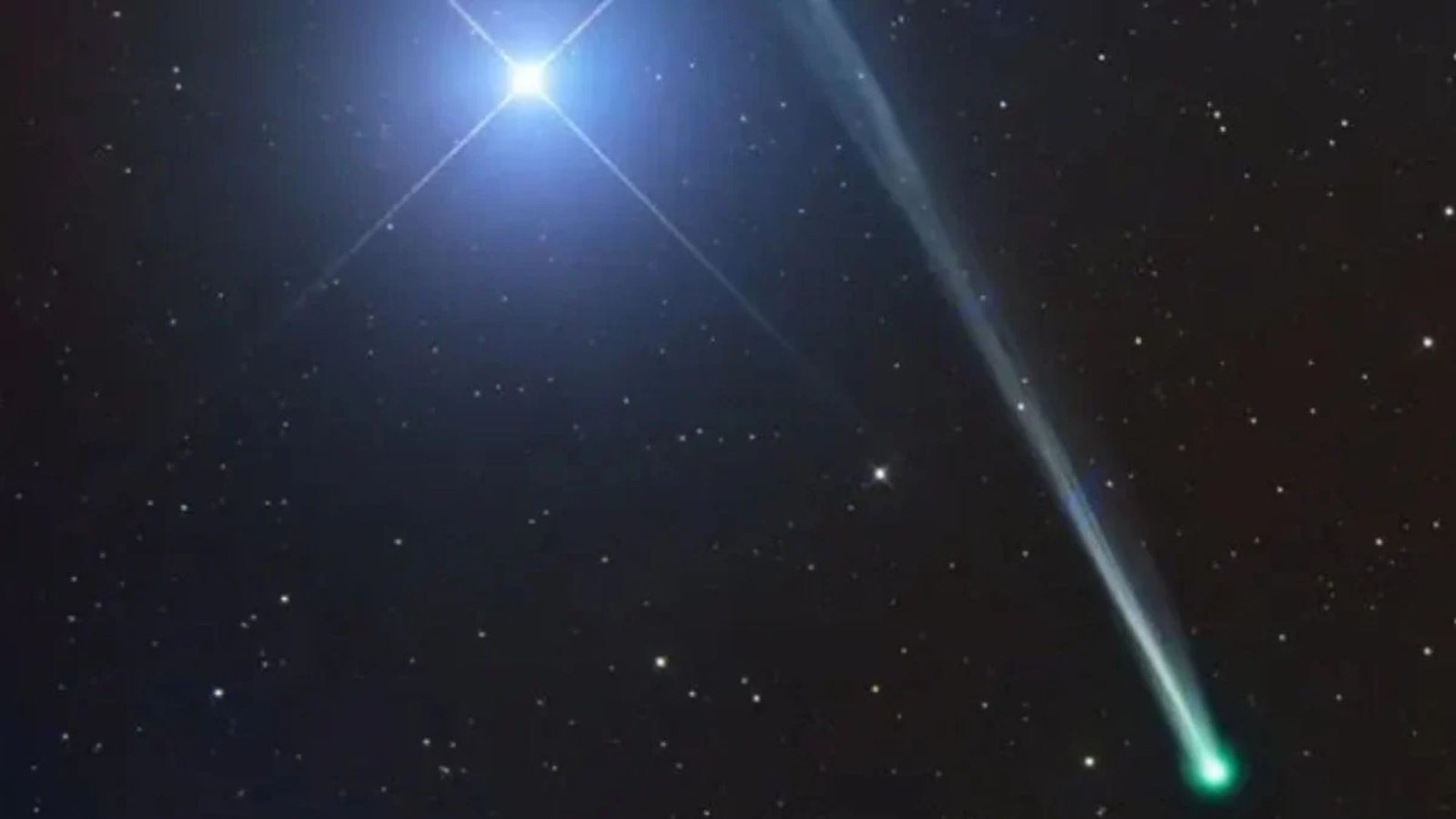
Comet SWAN, officially designated C/2020 F8 (SWAN), is currently making its way through the inner solar system, offering skywatchers a potential glimpse of a celestial spectacle. NASA has confirmed that the comet is brightening, raising hopes that it could become visible to the naked eye or, at the very least, through binoculars. This presents a unique opportunity for both amateur astronomers and casual stargazers to witness a comet that has only recently entered our cosmic neighborhood.
The comet was discovered earlier this year by an amateur astronomer using data from the Solar Wind Anisotropies (SWAN) instrument aboard the Solar and Heliospheric Observatory (SOHO) spacecraft. This instrument, designed to study the solar wind, also happens to be sensitive to hydrogen, which comets release as they are heated by the sun. The released hydrogen forms a large halo around the comet, making it visible to the SWAN instrument.
When and Where to Look
The optimal viewing time for Comet SWAN is during the pre-dawn hours, when the sky is still dark but before the sun begins to rise. Observers in the Southern Hemisphere have already had some success spotting the comet, and as it continues its journey, it is expected to become more visible in the Northern Hemisphere as well. To locate the comet, it’s recommended to use a sky map or astronomy app that can provide its precise coordinates in the sky. Look towards the northeastern horizon.
However, visibility can be affected by several factors, including light pollution, atmospheric conditions, and the comet’s own unpredictable behavior. Comets are notoriously volatile objects, and their brightness can change dramatically in a short period. While current observations suggest that Comet SWAN is brightening, there is always a chance that it could fizzle out or even break apart before reaching its peak visibility.
Using Binoculars
Even if Comet SWAN does not become bright enough to be seen with the naked eye, it should still be observable through binoculars. Look for a fuzzy patch of light against the dark sky. The comet may also exhibit a faint tail, which will appear as a subtle extension of the fuzzy glow. A small telescope can further enhance the view, revealing more details in the comet’s coma and tail. Remember to allow your eyes to adjust to the darkness for at least 20 minutes before attempting to observe the comet.
The opportunity to see a newly discovered comet is a rare event. Comet SWAN offers a chance to witness the beauty and wonder of the solar system, a reminder of the dynamic processes that shape our cosmic environment. While there is no guarantee that it will become a dazzling spectacle, the potential for a binocular-visible comet is enough to encourage skywatchers to keep an eye on the northeastern horizon in the coming days and weeks. Stay tuned to astronomy news sources for the latest updates on Comet SWAN’s brightness and position in the sky.
Image Source: Google | Image Credit: Respective Owner