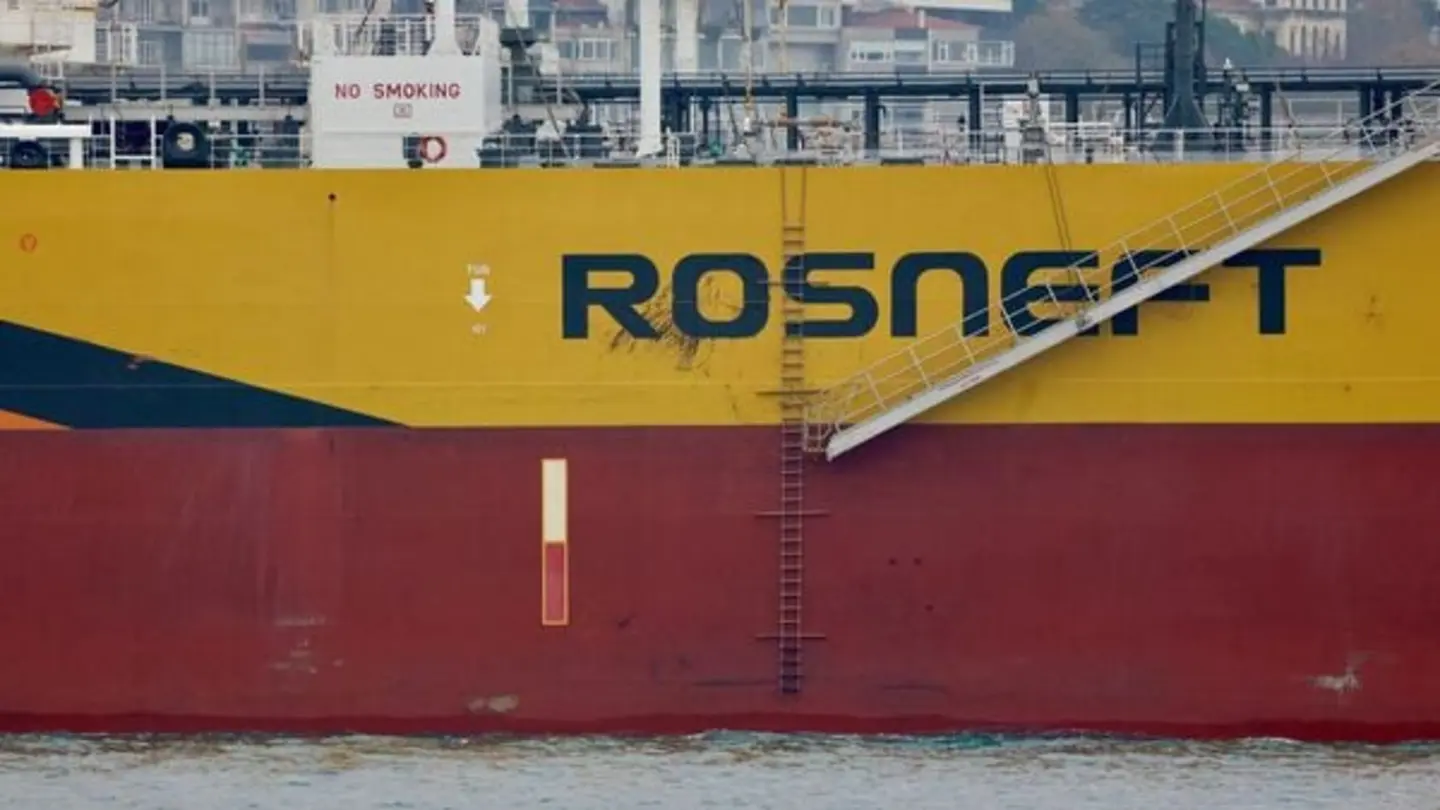
Chinese state-owned oil companies have reportedly suspended purchases of Russian oil, a move prompted by increasing concerns over potential secondary sanctions from the United States following recent actions against Rosneft and Lukoil. This decision marks a significant shift in the energy landscape, as China has been a major consumer of Russian oil, particularly since the invasion of Ukraine.
The suspensions come in the wake of heightened scrutiny from Washington regarding international transactions with Russian entities. The US has been actively enforcing sanctions aimed at curtailing Russia’s ability to finance its war efforts. Chinese firms, wary of jeopardizing their access to the US financial system and broader international markets, are exercising caution.
Impact of US Sanctions
The US sanctions against Rosneft and Lukoil, two of Russia’s largest oil companies, have created a ripple effect throughout the global energy market. These sanctions target entities involved in supporting Russia’s energy sector, thereby limiting their ability to conduct business with international partners. The fear of secondary sanctions – penalties imposed on entities that continue to do business with sanctioned parties – is a powerful deterrent, driving companies to reassess their relationships with Russian businesses.
The decision by Chinese oil majors, including China National Petroleum Corporation (CNPC) and Sinopec, to suspend purchases is a notable development. These companies play a crucial role in China’s energy security, and their actions reflect a careful balancing act between maintaining access to affordable energy and complying with international regulations. The suspension is not a complete cessation of trade but rather a temporary pause to evaluate the legal and financial risks involved.
Analysts suggest that China may seek alternative ways to procure Russian oil without directly violating sanctions. This could involve using intermediaries or non-traditional financial channels. However, such measures would likely increase costs and complexity, impacting the overall efficiency of the oil trade between the two countries.
The long-term implications of this shift are still unfolding. If the suspension of oil purchases becomes a sustained trend, it could put downward pressure on Russian oil prices and affect Russia’s revenue stream. It could also prompt Russia to seek new markets for its oil, potentially increasing competition in other regions. Furthermore, it could incentivize China to diversify its energy sources and accelerate its transition to renewable energy technologies.
The situation underscores the interconnectedness of the global economy and the far-reaching consequences of geopolitical tensions. As the US continues to exert pressure on Russia through sanctions, companies worldwide are forced to navigate a complex web of regulations and risks. The evolving relationship between China and Russia, and the energy trade that binds them, will continue to be a closely watched dynamic in the coming months.
Image Source: Google | Image Credit: Respective Owner