Commodity expert Jack Bessent expresses confidence that China will continue to honor its existing agreements regarding the supply of rare earth elements. Bessent’s remarks come amid concerns about potential disruptions to the global supply chain of these critical materials, which are essential for various industries, including electronics, renewable energy, and defense.
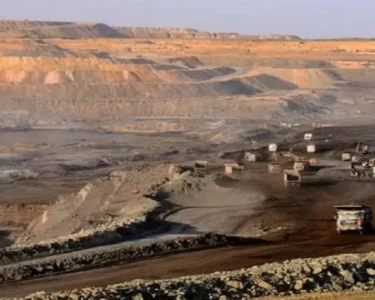
Rare earth elements, a group of 17 metallic elements, possess unique properties that make them indispensable in numerous high-tech applications. China currently dominates the global rare earth market, accounting for a significant portion of both production and reserves. This dominance has raised concerns among other countries about potential supply vulnerabilities and the risk of China using its market power for strategic purposes.
Geopolitical Considerations
The geopolitical landscape surrounding rare earths is complex, with ongoing trade tensions and strategic competition between major economic powers. Some nations are actively seeking to diversify their rare earth supply chains to reduce dependence on China. Initiatives like developing domestic mining projects and fostering international collaborations are underway to enhance supply chain resilience.
Bessent’s optimistic outlook suggests a belief that China recognizes the mutual benefits of maintaining stable and reliable trade relationships in the rare earth sector. Honoring existing agreements would help to foster trust and confidence among international partners, ensuring continued access to these vital materials for all parties involved.
However, it is important to acknowledge that the rare earth market is subject to various factors that could influence future supply and demand dynamics. These factors include technological advancements, environmental regulations, and shifts in geopolitical power. Therefore, continuous monitoring and proactive strategies are essential to mitigate potential risks and ensure long-term supply security.
The global demand for rare earths is projected to increase in the coming years, driven by the growing adoption of electric vehicles, wind turbines, and other clean energy technologies. This increasing demand underscores the importance of sustainable and responsible sourcing practices to minimize environmental impacts and promote ethical labor standards.
In conclusion, while challenges exist in the rare earth market, Jack Bessent’s confidence that China will honor its agreements offers a reassuring perspective. Continued cooperation and diversification efforts are crucial to ensuring a stable and secure supply of these critical materials for the benefit of the global economy.
The situation remains dynamic and requires ongoing monitoring to adapt to evolving circumstances and maintain a resilient rare earth supply chain.
Image Source: Google | Image Credit: Respective Owner