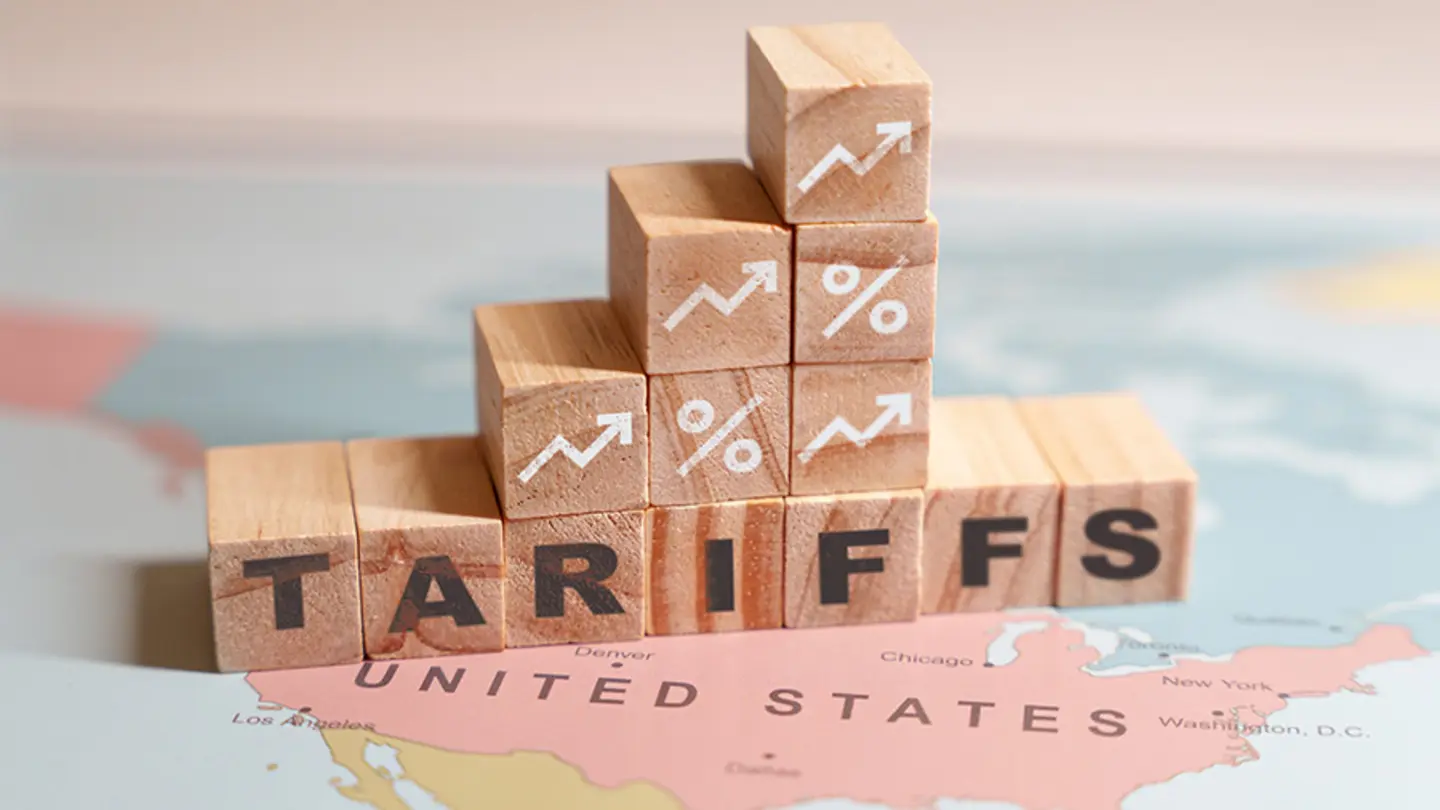
China is set to remove tariffs on select agricultural goods imported from the United States, effective November 10, according to Forex Factory reports. This move signals a potential easing of trade tensions between the two economic powerhouses and could pave the way for increased agricultural trade. The decision arrives amidst ongoing discussions aimed at fostering a more stable and predictable trade relationship.
The specific agricultural products that will benefit from the tariff removal have not been explicitly detailed, but expectations are that it will encompass items previously subjected to retaliatory tariffs imposed during the height of the trade dispute. The removal of these tariffs could provide a significant boost to American farmers, who have faced challenges in accessing the Chinese market due to the higher costs associated with the duties.
Anticipated Impact on US Agriculture
The agricultural sector in the United States is poised to experience a positive impact from this policy change. Increased access to the Chinese market can lead to higher sales volumes and improved profitability for American farmers. China is a major consumer of agricultural products, including soybeans, corn, and pork, making it a crucial export destination for US producers. The elimination of tariffs will make US goods more competitive in the Chinese market, potentially displacing exports from other countries.
Furthermore, the move could contribute to overall economic growth in the United States. The agricultural sector plays a vital role in the US economy, and increased exports can stimulate job creation and investment in rural communities. The positive ripple effects of this trade development are expected to extend beyond the agricultural industry, benefiting related sectors such as transportation, logistics, and manufacturing.
Geopolitical Implications
The decision by China to remove tariffs on US agricultural goods also has significant geopolitical implications. It suggests a willingness on the part of China to engage in constructive dialogue and compromise in order to resolve trade disputes. This move could help to de-escalate tensions and foster a more stable and predictable global trade environment. The gesture may also be interpreted as a goodwill effort to strengthen the bilateral relationship between the United States and China.
However, it is important to note that challenges and uncertainties remain in the overall trade relationship between the two countries. Issues related to intellectual property protection, technology transfer, and market access continue to be sources of friction. Further negotiations and agreements will be necessary to fully address these concerns and establish a long-term framework for trade cooperation. The removal of agricultural tariffs represents a positive step, but it is just one piece of a larger and more complex puzzle.
The market reaction to the tariff removal is expected to be closely monitored. Positive sentiment in the agricultural sector and related industries is anticipated, with potential gains in stock prices for companies involved in the production and export of agricultural goods. Currency markets may also react, with potential implications for the relative value of the US dollar and the Chinese yuan.
Image Source: Google | Image Credit: Respective Owner