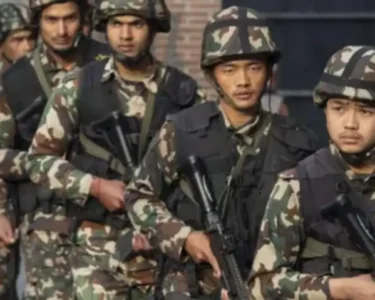
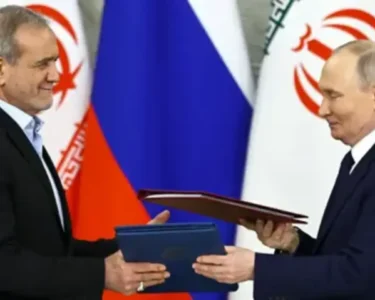
Naval vessels from China, Russia, and Iran have arrived in South Africa to participate in a ten-day joint military exercise, dubbed “Exercise Mosambiki 24.” The arrival of the fleet marks the first time Iran is participating in the drills with these two nations and has drawn scrutiny from Western observers, amidst rising geopolitical tensions. The exercise began on February 24th and will focus on strengthening maritime cooperation and demonstrating the capabilities of the three naval powers.
According to the South African National Defence Force (SANDF), the exercise will involve live-fire drills, anti-piracy exercises, and search and rescue operations. Approximately 350 personnel from all three participating countries are involved. The SANDF statement emphasized the exercise is not directed at any specific nation or region, stating it is intended to foster closer relationships and improve interoperability in safeguarding maritime security. However, the timing and participants have inevitably led to interpretation through a geopolitical lens.
Geopolitical Implications
This joint drill is seen by many as a signal of growing alignment between China, Russia, and Iran, nations that often find themselves at odds with Western foreign policy. All three countries face sanctions or other forms of pressure from the United States and its allies. The exercise provides an opportunity to showcase a united front and demonstrate their willingness to cooperate independently of Western-led military structures.
South Africa’s decision to host the drills has also been met with some criticism domestically. Opposition parties have questioned the government’s judgement, citing concerns about the human rights records of both Iran and Russia, and the potential for the exercise to be perceived as endorsing their actions. The South African government has defended its decision, stating that it maintains a neutral foreign policy and welcomes participation from all nations in exercises designed to promote maritime safety.
The drills are taking place in the Indian Ocean, a strategically important waterway for global trade and energy supplies. China’s increasing naval presence in the region, coupled with Russia’s and Iran’s growing assertiveness, is raising concerns among some countries about potential disruptions to maritime security. This coordinated exercise may indicate a desire to establish a stronger, more independent security architecture in the Indian Ocean, challenging existing power dynamics.
While the stated aim is to enhance maritime security, analysts believe the exercise also serves as a message to the West. It highlights the capability of these nations to conduct complex joint operations and reinforces their commitment to a multipolar world order. The exercise is expected to conclude in early March, and the impact on regional security dynamics will likely be debated for some time afterward. Increased focus will be given to the technology utilized and the strategic lessons learned from the cooperative efforts of these three navies.
The participation of Iran is particularly noteworthy, as it represents a deepening of military ties with Russia and China. This collaboration could have broader implications for regional conflicts and power balances, especially in the Middle East. Further observation of the drills’ specifics and post-exercise analyses will be critical to fully understand the long-term consequences of this unprecedented maritime partnership.
Image Source: Google | Image Credit: Respective Owner