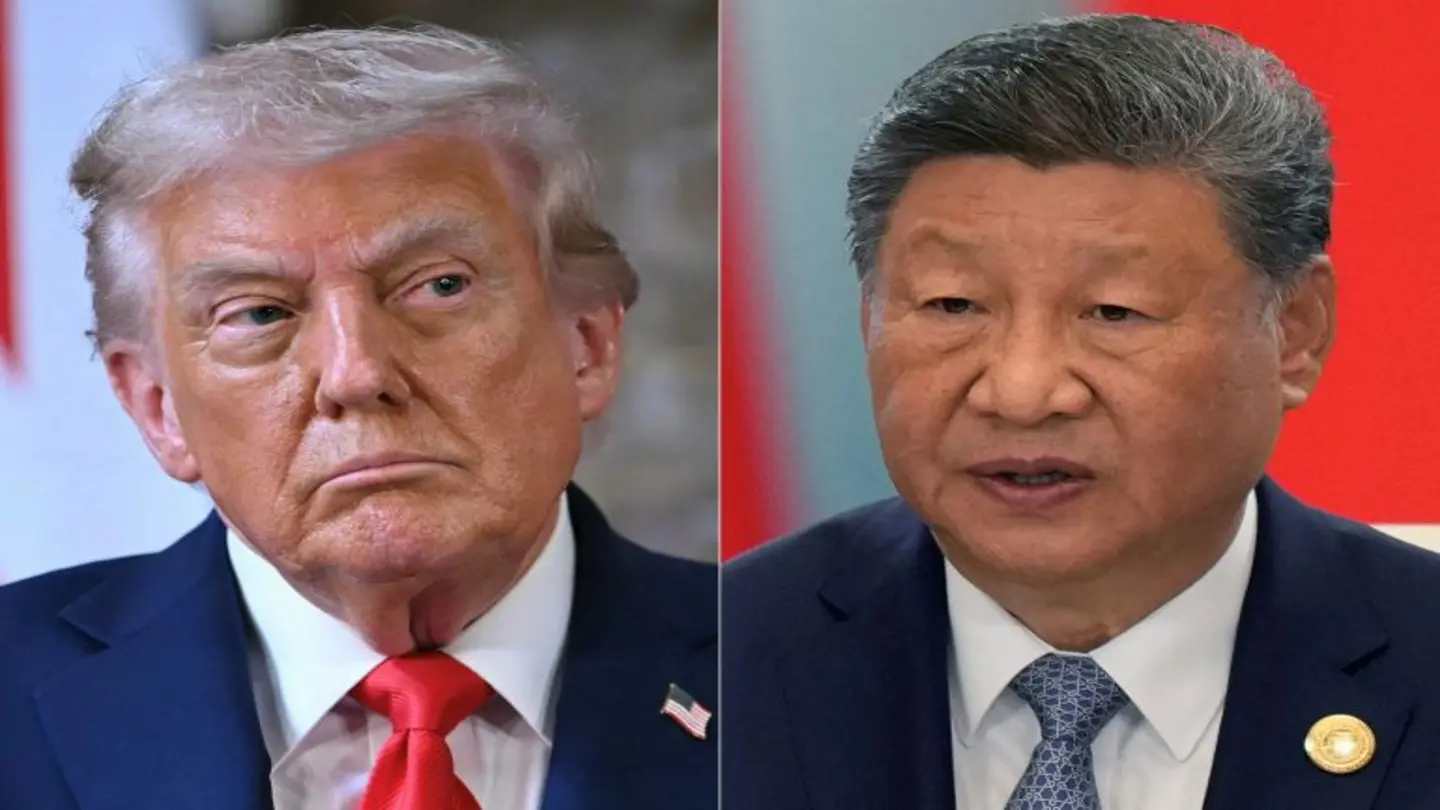
Beijing has responded to former U.S. President Donald Trump’s recent claims that he is planning a visit to China in April, emphasizing the crucial role of high-level, head-of-state diplomacy in managing the complex relationship between the two nations. Chinese Foreign Minister Wang Yi stated that such leadership engagement is “irreplaceable” in steering China-U.S. relations forward.
Trump, while speaking at a fundraising event, indicated he was in discussions about a trip to China, suggesting a potential meeting with Chinese President Xi Jinping. This announcement has sparked considerable interest and speculation, given the often-turbulent nature of the previous administration’s dealings with China. The Global Times, a Chinese state-affiliated media outlet, initially reported on Trump’s claims, prompting the response from the Foreign Minister.
Wang Yi’s comments were interpreted as a subtle acknowledgement of the importance China places on direct communication with the U.S. leadership, regardless of political shifts. He underscored that maintaining stability and preventing miscalculations in the relationship requires consistent and direct dialogue at the highest levels. This is particularly relevant given ongoing tensions surrounding trade, technology, Taiwan, and geopolitical influence in the Indo-Pacific region.
Past Interactions & Current Stance
During Trump’s presidency, the relationship with China experienced periods of both cooperation and intense conflict, marked by a trade war and accusations of intellectual property theft. Despite these challenges, Trump and Xi Jinping engaged in several face-to-face meetings, which were seen as vital in managing the overall dynamic. The current Chinese administration appears to value the predictability and clarity that come with direct leader-to-leader interactions.
While welcoming the prospect of engagement, Chinese officials have also stressed the need for mutual respect and adherence to the “one-China principle” regarding Taiwan. Any potential visit by Trump would likely need to navigate these sensitive issues carefully. The Chinese government has consistently maintained that Taiwan is an inalienable part of China and opposes any official contact between foreign governments and the island’s leadership.
The timing of Trump’s potential visit is also noteworthy, occurring in the midst of a U.S. presidential election year. Analysts suggest that the visit could be strategically aimed at influencing the election discourse or signaling a potential shift in U.S. foreign policy. However, the Chinese government has stated it will not interfere in the U.S. electoral process and seeks to maintain stable relations with whichever administration is in power.
Furthermore, the Chinese Foreign Ministry indicated a willingness to work with the U.S. on areas of common interest, such as climate change and global health security, but reiterated the importance of addressing each other’s core concerns. The emphasis on “win-win cooperation” reflects China’s desire for a more balanced and mutually beneficial relationship with the United States. The response suggests China is open to dialogue but firm in its principles.
Ultimately, Wang Yi’s statement serves as a reminder that despite political differences, consistent diplomatic engagement remains paramount for managing the world’s most consequential bilateral relationship. The possibility of Trump’s visit, should it materialize, will be closely watched by both nations and the international community.
Image Source: Google | Image Credit: Respective Owner