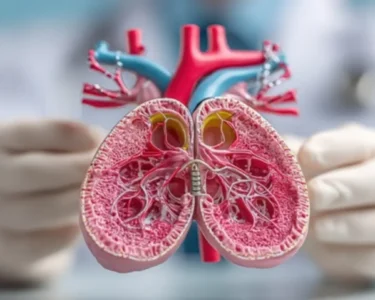
A new study published in the European Medical Journal sheds light on the significant impact of Childhood Interstitial Lung Disease (Childhood ILD) on the quality of life for affected children and their families. Childhood ILD is a group of lung disorders that cause scarring of the lungs, leading to breathing difficulties and various physical and emotional challenges.
Understanding Childhood Interstitial Lung Disease
Childhood ILD is a complex condition with various underlying causes, often unknown. The disease progresses differently in each child, ranging from mild to severe. Symptoms can include coughing, shortness of breath, fatigue, and chest pain, significantly affecting a child’s ability to participate in typical childhood activities.
Quality of Life Concerns
The study highlights the multifaceted impact of Childhood ILD on quality of life. Beyond the physical limitations, children with ILD often experience emotional distress, including anxiety and depression. Social isolation can also be a significant issue as children may struggle to keep up with peers or participate in sporting activities due to their condition. Families also face considerable burdens, including financial strain related to medical care, emotional stress, and adjustments to daily routines.
Study Findings and Implications
Researchers analyzed data collected from a cohort of children diagnosed with Childhood ILD and their families. The findings revealed significant reductions in several domains of quality of life, including physical function, social participation, and emotional well-being. The study suggests that early intervention and comprehensive support are crucial to mitigating the negative effects of ILD on children and their families. Support includes not only medical management but also psychological counseling, social support groups, and educational resources.
Future Directions
The study emphasizes the need for ongoing research to further understand the underlying causes of Childhood ILD and to develop more effective treatments. Further research is also needed to identify interventions that can improve quality of life for children with ILD and their families. This includes exploring innovative therapies, providing tailored support programs, and addressing the psychosocial needs of affected individuals. Raising awareness about Childhood ILD is also critical to ensure timely diagnosis and appropriate management.
The European Medical Journal article underscores the importance of a holistic approach to care for children with ILD, focusing not only on their physical health but also on their emotional and social well-being. Collaboration between medical professionals, families, and support organizations is essential to empower children with ILD to live full and meaningful lives.
Image Source: Google | Image Credit: Respective Owner