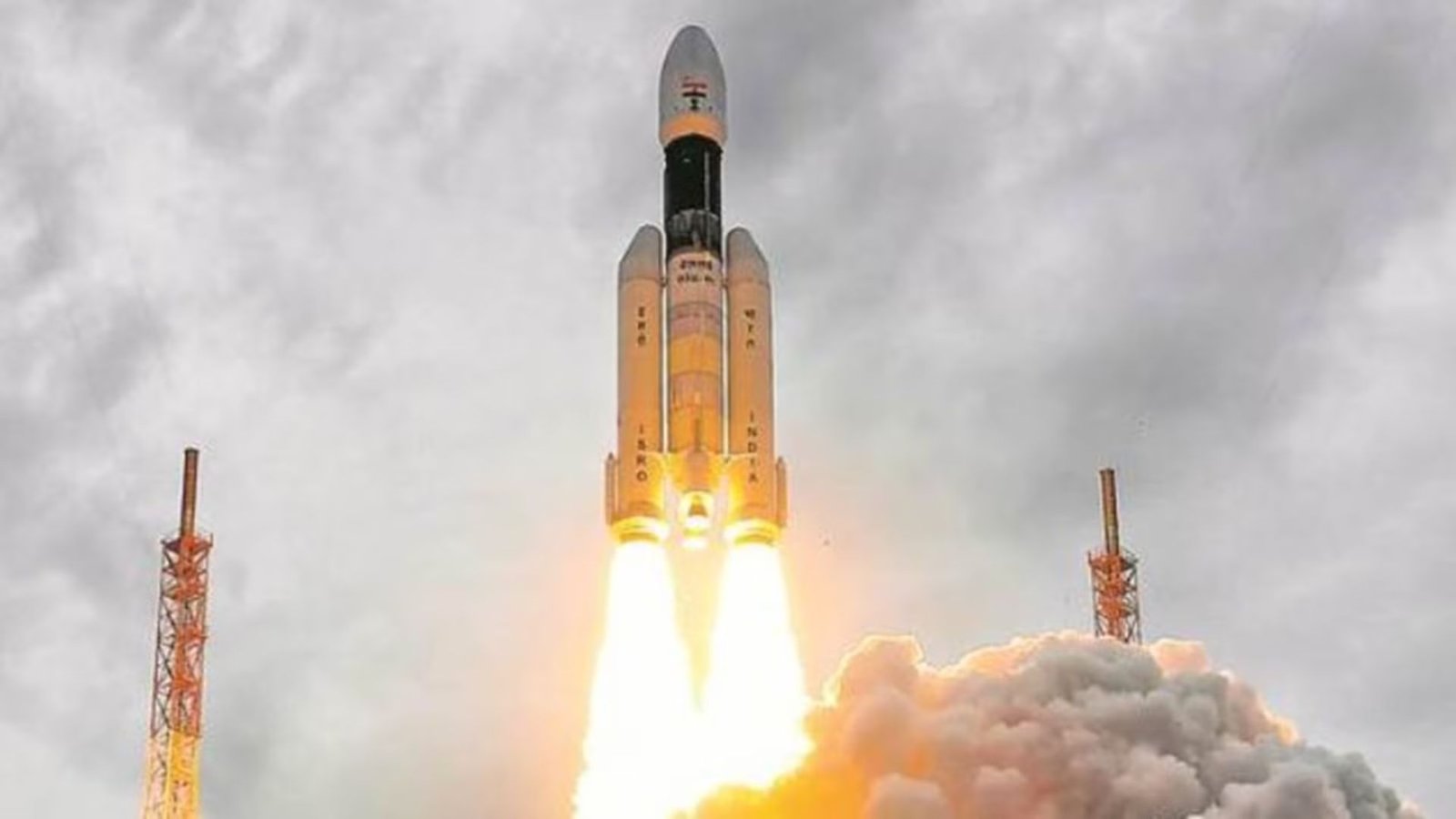
India’s Chandrayaan-2 orbiter has achieved a groundbreaking feat by recording the moon’s first response to a solar storm. This significant discovery, detailed in The New Indian Express, provides valuable insights into the interaction between celestial bodies and solar events. The findings, gathered by instruments onboard the orbiter, mark a crucial step forward in understanding space weather phenomena and their impact on the lunar environment.
Solar storms, characterized by bursts of energy and particles from the sun, can significantly influence the atmospheres and surfaces of planets and moons. Chandrayaan-2’s observations offer a unique opportunity to study these interactions in real-time, enhancing our knowledge of the moon’s response mechanisms.
Understanding the Lunar Exosphere
The moon, unlike Earth, lacks a substantial atmosphere. It possesses only a tenuous exosphere, a sparse layer of gases that interacts directly with the solar wind and solar radiation. This interaction plays a key role in shaping the lunar surface and the overall lunar environment. The data collected by Chandrayaan-2 during a solar storm event is invaluable for modeling and predicting the effects of space weather on the moon.
Scientists are particularly interested in how the lunar exosphere responds to increased solar activity. The recorded data includes measurements of particle density, energy distribution, and compositional changes in the exosphere during and after the solar storm. Analyzing these parameters will help researchers understand the processes by which solar particles are absorbed, scattered, and re-emitted by the lunar surface.
Implications for Future Missions
The findings from Chandrayaan-2 have profound implications for future lunar missions, especially those aimed at establishing a sustained human presence on the moon. Understanding the effects of solar storms is critical for designing protective measures for astronauts and equipment. Solar radiation can pose a significant hazard to human health and can damage sensitive electronic instruments. By studying the moon’s response to these events, scientists can develop strategies to mitigate the risks associated with space weather.
Moreover, the data contributes to our broader understanding of space weather and its potential impact on other planets and satellites in our solar system. The moon serves as a natural laboratory for studying these phenomena, offering insights that can be applied to other celestial bodies.
This achievement underscores the importance of continued lunar exploration and the value of international collaboration in space science. As we venture further into space, a deeper understanding of the space environment becomes increasingly vital for ensuring the safety and success of future missions.
The Chandrayaan-2 mission, despite the lander’s unfortunate failure, continues to deliver invaluable scientific data, solidifying India’s role as a major player in space exploration.
Image Source: Google | Image Credit: Respective Owner