India’s Chandrayaan-2 mission has provided the first direct evidence of solar storms disturbing the lunar atmosphere, revealing crucial insights into space weather phenomena and their impact on planetary bodies without a significant magnetic field. The findings, published in the journal Monthly Notices of the Royal Astronomical Society, highlight how solar storms, characterized by sudden bursts of energy and particles from the Sun, can significantly alter the tenuous atmosphere of the Moon.
The study, conducted by researchers at the Physical Research Laboratory (PRL), Ahmedabad, analyzed data from the Chandra’s Atmospheric Composition Explorer-2 (CHACE-2) payload onboard the Chandrayaan-2 orbiter. CHACE-2, a neutral mass spectrometer, detected changes in the lunar exosphere during a solar storm event. The exosphere, the outermost layer of the Moon’s atmosphere, is extremely thin and composed of neutral particles. These particles are sourced from the lunar surface through various processes, including solar wind sputtering and micrometeorite impacts.
Key Findings
The analysis of CHACE-2 data revealed a noticeable increase in the density of argon (Ar) in the lunar exosphere during the solar storm. Argon, a noble gas, is considered a tracer of exospheric dynamics. The observed enhancement in argon density suggests that solar storms can stimulate the release of gases from the lunar surface, temporarily enriching the exosphere. This observation is significant as it provides a direct link between solar activity and lunar atmospheric changes.
Furthermore, the study also investigated the dynamics of other neutral species in the exosphere, such as helium and neon. While the effects on argon were prominent, the researchers noted that the behavior of other species was more complex and could be influenced by factors such as surface temperature and local magnetic fields. The interplay of these factors necessitates further investigation to fully understand the response of the lunar exosphere to solar storms.
Implications for Future Lunar Missions
These findings have important implications for future lunar missions. Understanding how solar storms affect the lunar environment is crucial for planning long-duration lunar activities and protecting astronauts and equipment from the harmful effects of space weather. The lunar exosphere, though tenuous, can still pose a challenge to sensitive instruments and can affect the performance of communication systems. Therefore, accurate predictions of space weather effects on the Moon are essential.
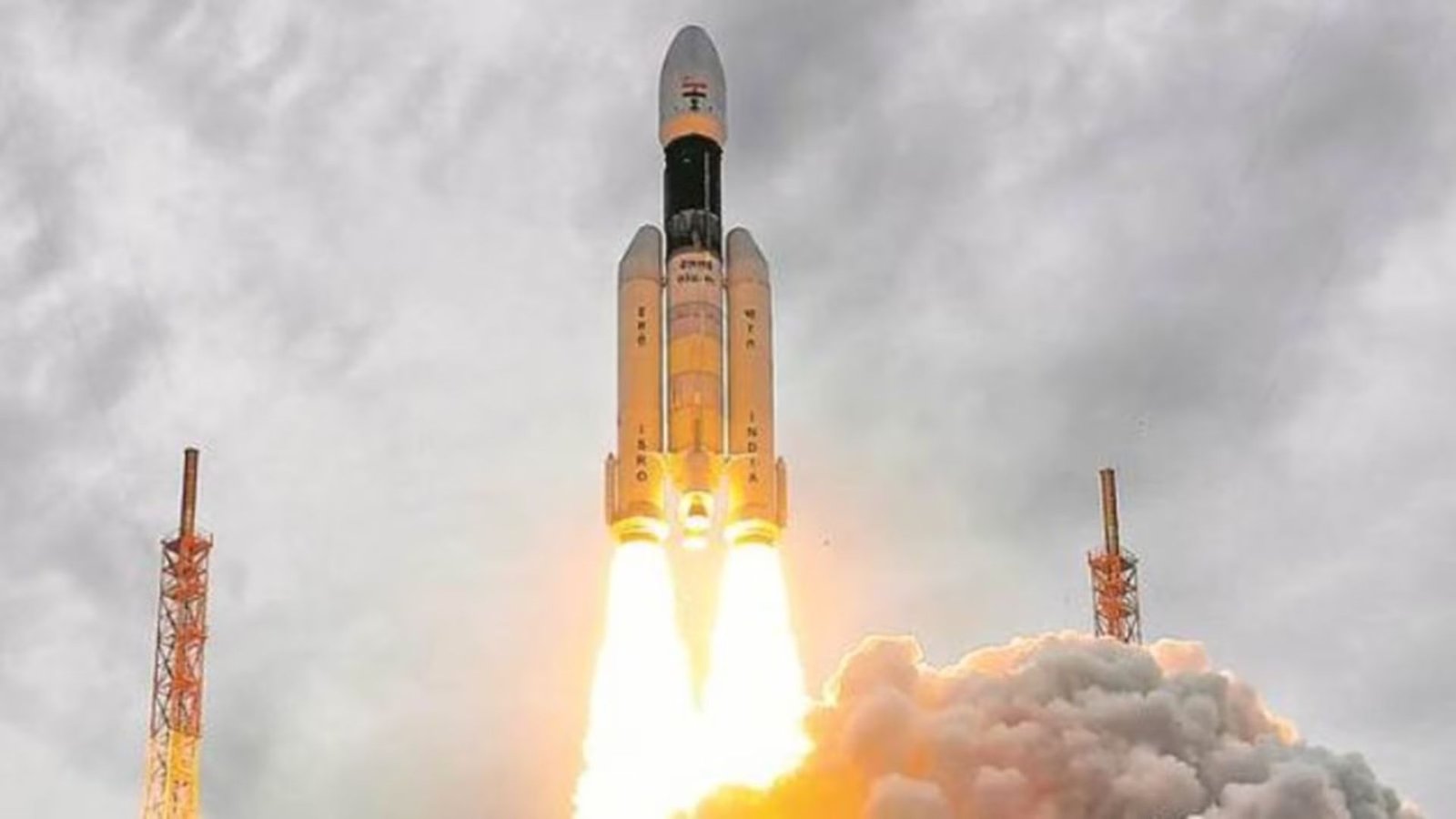
The Chandrayaan-2 mission, despite the lander Vikram’s unsuccessful landing attempt, continues to provide valuable scientific data through its orbiter. The mission’s contributions to lunar science are significant, enhancing our understanding of the Moon’s geology, resources, and its interaction with the space environment. Future lunar missions, including Chandrayaan-3 and international collaborations like NASA’s Artemis program, can build upon these findings to further explore and utilize the Moon.
The Chandrayaan-2 data underscores the importance of studying the lunar exosphere to better understand the Moon’s history, evolution, and its potential as a platform for future space exploration. The discovery of solar storm-induced atmospheric changes marks a significant step forward in lunar science and space weather research.
Image Source: Google | Image Credit: Respective Owner