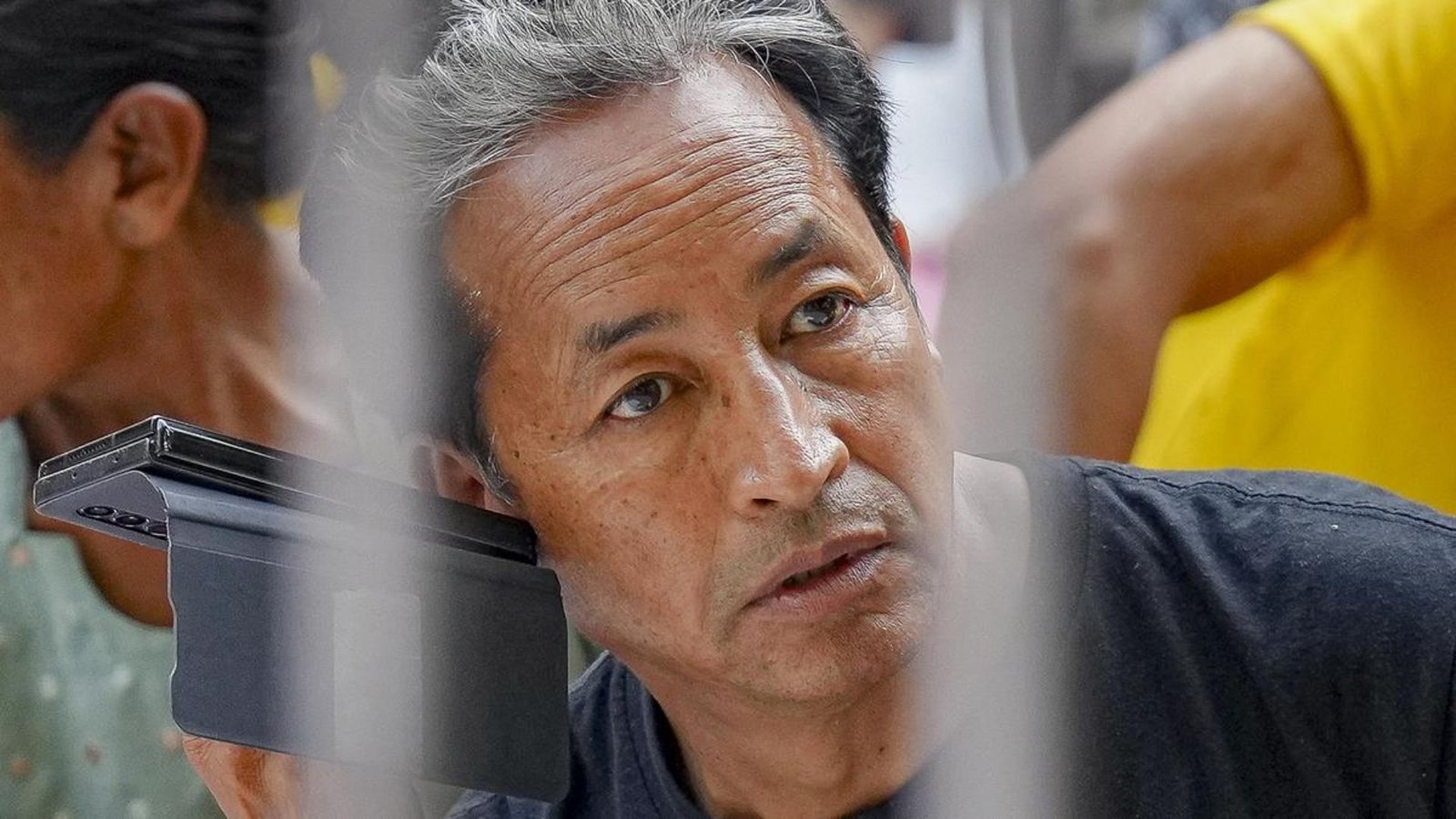
The Centre concluded its arguments before the Supreme Court, claiming that the detention of activist Sonam Wangchuk was instrumental in ending the violence that erupted during protests in Ladakh. Solicitor General Tushar Mehta, representing the government, told the bench that Wangchuk’s removal from the scene immediately calmed the unrest in the Union Territory.
Background on the Ladakh protests
Sonam Wangchuk, an educationist and founder of SECMOL, has championed Ladakh’s demand for statehood and constitutional safeguards. His activism grew after the 2019 abrogation of Article 370, which split Jammu and Kashmir into two Union Territories, including Ladakh. Locals feared their unique identity would be eroded, leading to sustained protests.
The protests, initially peaceful, sometimes turned violent, with clashes between demonstrators and security forces. Authorities responded by imposing restrictions and detaining several leaders under preventive detention laws, such as the Jammu and Kashmir Public Safety Act. Wangchuk was detained in early 2020, drawing criticism from civil liberties groups who called it an attack on dissent.
In the Supreme Court, the Centre argued that Wangchuk’s detention was lawful and necessary to restore peace. The government’s counsel said intelligence showed Wangchuk played a central role in mobilising protesters. “The violence that had engulfed Ladakh ceased immediately after his detention,” the Centre submitted, asserting the move prevented further escalation.
The case before the Court comprises multiple petitions challenging the detentions and the constitutional status of Ladakh. Petitioners, including Wangchuk, contend the detention is vindictive and that the protests are a legitimate expression of the people’s will. They argue the use of preventive detention is disproportionate and violates fundamental rights.
The Centre also defended the decision to keep Ladakh as a Union Territory without Sixth Schedule safeguards, stating the region already receives ample development funds and that special provisions are unwarranted. The Solicitor General described the demand for statehood as a political issue for the legislature, not the judiciary, to decide.
After hearing the Centre’s submissions, the Supreme Court has reserved its observations on interim relief. The next hearing, slated for two weeks, will see petitioners present their counter-arguments. Legal experts note the ruling could set a significant precedent on preventive detention and the right to protest in sensitive areas.
Critics, however, argue that attributing the end of violence solely to Wangchuk’s detention oversimplifies Ladakh’s socio-political landscape. They point out that protests continued in quieter forms after his detention. A Delhi-based human rights lawyer, not associated with the case, warned that “the claim is factually dubious and sets a dangerous precedent for democratic freedoms.”
The situation in Ladakh remains tense, with local leaders pledging to continue their agitation through constitutional means. The region’s strategic location, bordering China, adds complexity; any escalation could impact India’s internal security and foreign relations.
As the Court deliberates, both sides are braced for a prolonged legal tussle. The outcome will test the balance between state authority and civil liberties, with implications far beyond Ladakh. For now, the debate rages on, reflecting the deep aspirations of the Ladakhi people.
Image Source: Google | Image Credit: Respective Owner