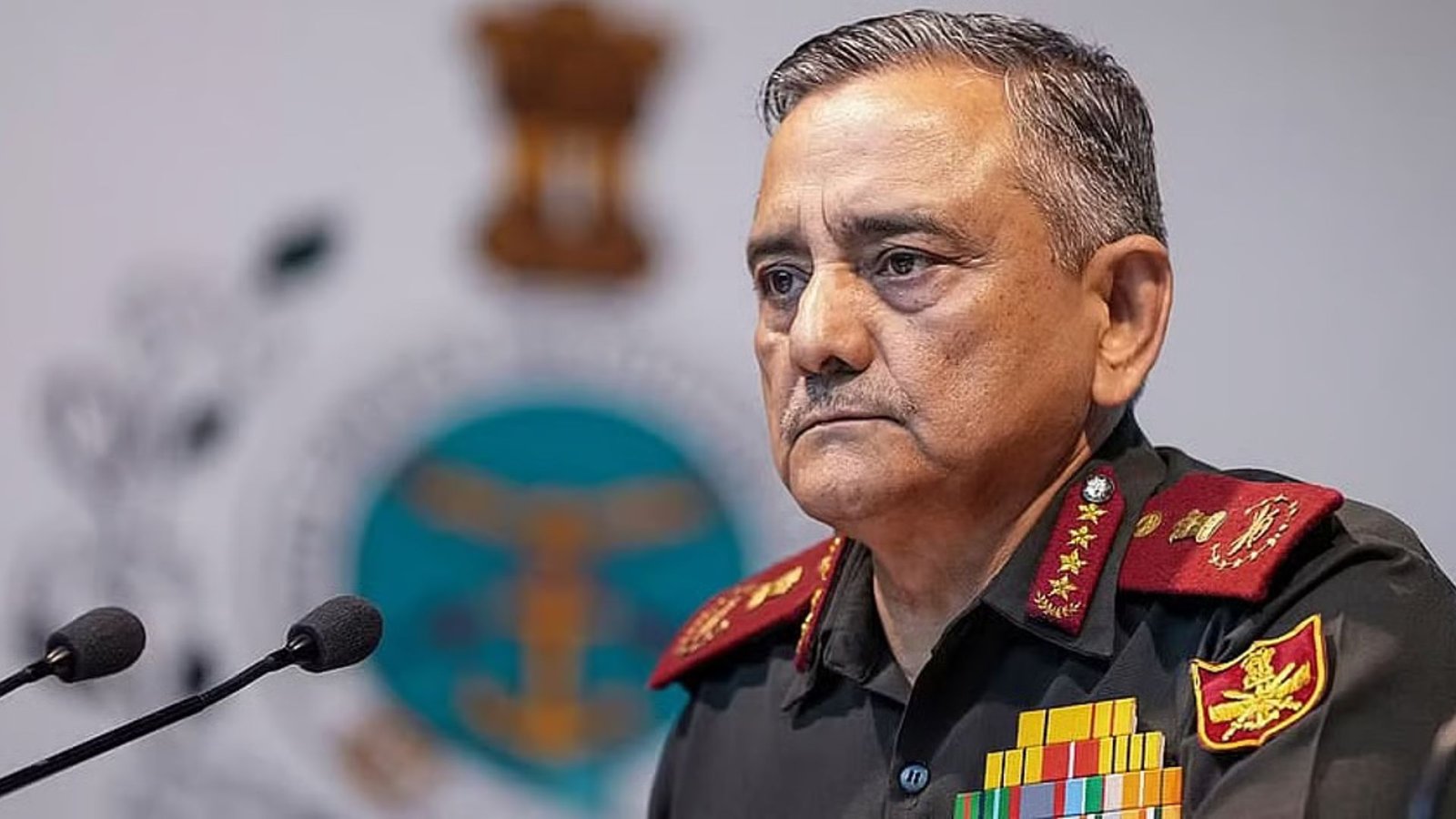
Chief of Defence Staff (CDS) General Anil Chauhan issued a stern warning to Pakistan, highlighting the potential consequences of a nuclear attack. This statement follows his assessment of Pakistan’s miscalculation during ‘Operation Sindoor,’ suggesting they believed they could act with impunity. General Chauhan emphasized the need for vigilance and preparedness in the face of evolving security challenges.
Context of Operation Sindoor
While details regarding ‘Operation Sindoor’ remain sparse in the public domain, General Chauhan’s comments suggest a recent event or series of actions where Pakistan’s intentions or capabilities were tested. His remarks indicate a potential escalation of tensions and underscore the delicate nature of the relationship between the two nuclear-armed neighbors. The CDS’s strong language reflects the gravity of the situation and serves as a deterrent against further provocation.
The CDS’s warning gains significance considering the complex geopolitical landscape of the region. India and Pakistan have a long history of conflict and mistrust, with ongoing disputes over territorial boundaries and cross-border terrorism. The presence of nuclear weapons adds a layer of complexity, making responsible statecraft and de-escalation mechanisms crucial.
India’s Strategic Posture
General Chauhan’s statement underscores India’s commitment to maintaining a credible deterrence posture. India’s nuclear doctrine emphasizes a ‘no-first-use’ policy, but retains the right to retaliate massively in response to a nuclear attack. This strategy aims to deter potential adversaries from considering the use of nuclear weapons against India. The CDS’s remarks serve as a reminder that India possesses the capabilities and resolve to defend its sovereignty and national interests.
Beyond nuclear deterrence, India is actively strengthening its conventional military capabilities. The modernization of the armed forces, acquisition of advanced technologies, and enhanced border infrastructure are all aimed at improving India’s overall defense preparedness. India also focuses on strengthening strategic partnerships with other countries to enhance its security and stability in the region.
Implications for Regional Security
The exchange between India and Pakistan has implications for regional security dynamics. Increased tensions can lead to heightened military deployments, increased risk of miscalculation, and potential for escalation. Therefore, effective communication channels and confidence-building measures are essential to prevent misunderstandings and manage crises. The international community also has a role to play in encouraging dialogue and promoting peaceful resolution of disputes between the two countries. The stability of the region hinges on responsible behavior and a commitment to peaceful coexistence.
The situation highlights the need for continued dialogue and diplomatic efforts to address the underlying causes of tension between India and Pakistan. While a strong defense posture is necessary to deter aggression, it is equally important to pursue peaceful solutions through negotiation and engagement. The future of regional security depends on the ability of both countries to manage their differences and build a relationship based on mutual respect and cooperation.
Image Source: Google | Image Credit: Respective Owner