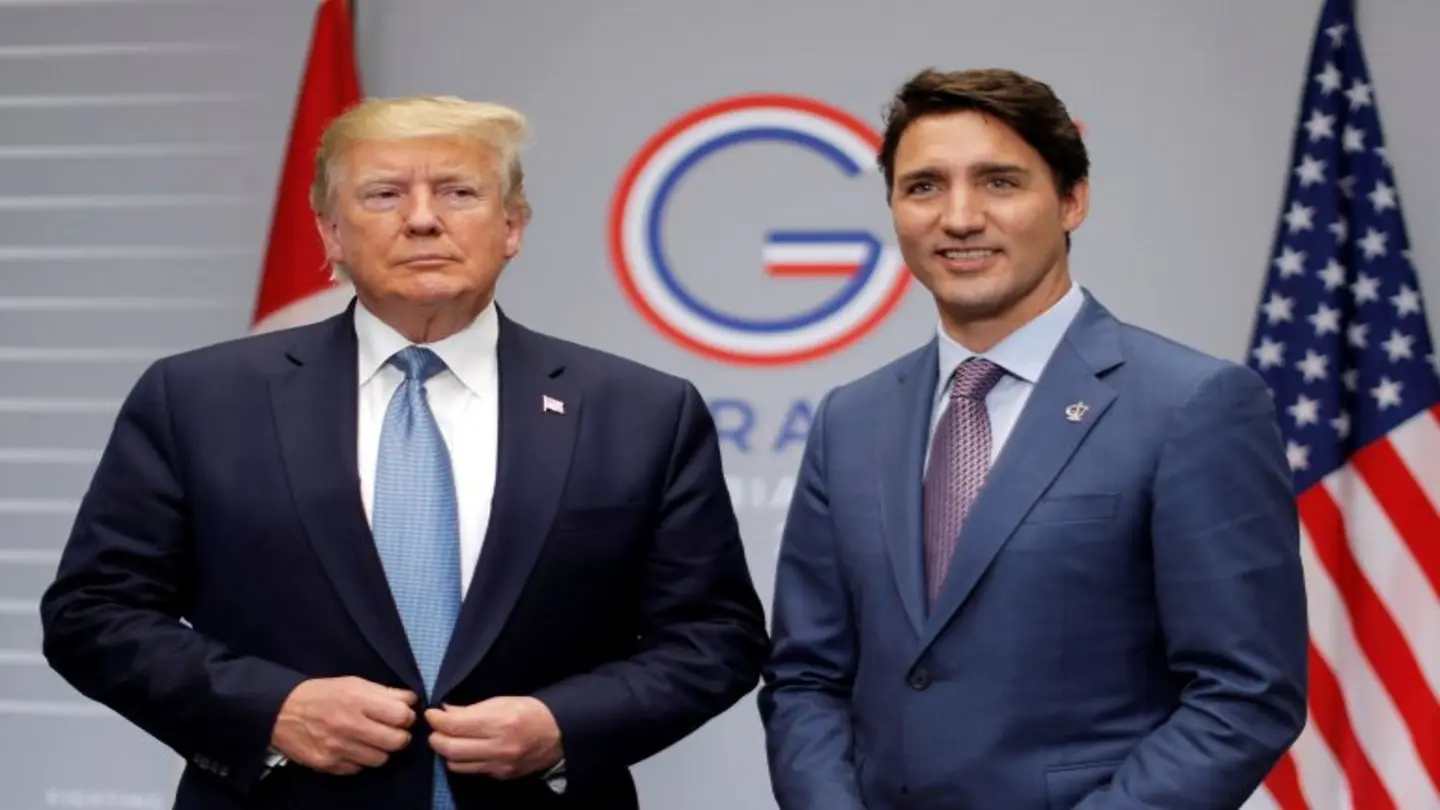
Canadian Prime Minister Justin Trudeau reaffirmed his stance on comments made during a speech at the World Economic Forum in Davos, Switzerland, following a phone conversation with former U.S. President Donald Trump. The call, initiated by Trump, addressed concerns raised about Trudeau’s recent remarks regarding the state of the relationship between the United States and Canada.
During his Davos address, Carney cautioned against complacency in the U.S.-Canada partnership, suggesting a potential shift in dynamics following the upcoming U.S. presidential elections. He emphasized the importance of a strong and stable relationship, but also alluded to potential challenges if the U.S. were to adopt more protectionist policies or display a lack of commitment to international cooperation.
Sources familiar with the conversation indicate that Trump directly questioned Trudeau about the speech. Trudeau, according to reports, stood firm and explained that his comments were intended as a realistic assessment of the evolving geopolitical landscape rather than a criticism of the current administration. He reportedly stressed Canada’s longstanding and beneficial trade relationship with the U.S., while also advocating for continued efforts to strengthen that partnership.
Context of the Davos Speech
Carney’s speech was broadly focused on global economic trends and the role of international cooperation in addressing shared challenges. The portion concerning the U.S.-Canada relationship was framed within the context of broader concerns about rising nationalism and populism around the world.
He specifically highlighted the importance of maintaining open trade routes and avoiding protectionist measures that could harm both economies. The remarks were seen by some as a preemptive effort to prepare Canadian businesses and policymakers for potential disruptions in U.S. trade policy, depending on the outcome of the 2024 presidential election.
The Canadian government has consistently maintained that its primary focus is on protecting and promoting Canadian interests in a complex global environment. Trudeau’s willingness to engage directly with Trump, even after critical comments, signals a commitment to ongoing dialogue and a pragmatic approach to managing the relationship with its largest trading partner.
The outcome of the call appears to have been cordial, with both leaders expressing a desire to maintain a productive relationship. However, it remains to be seen whether this will translate into concrete policy changes or a significant shift in the tone of the U.S.-Canada dialogue. Analysts suggest that the confirmation of the phone call and details about its content indicates Trudeau felt it necessary to publicly demonstrate his commitment to his stated position and address any potential misinterpretations that may have arisen from Trump’s concerns.
This incident underscores the ongoing sensitivity surrounding the U.S.-Canada relationship, particularly in the wake of the Trump administration’s renegotiation of the North American Free Trade Agreement (NAFTA). Despite the improved stability under the current U.S. administration, vigilance and proactive diplomacy remain crucial for ensuring a continued strong and beneficial partnership for both nations.
Image Source: Google | Image Credit: Respective Owner