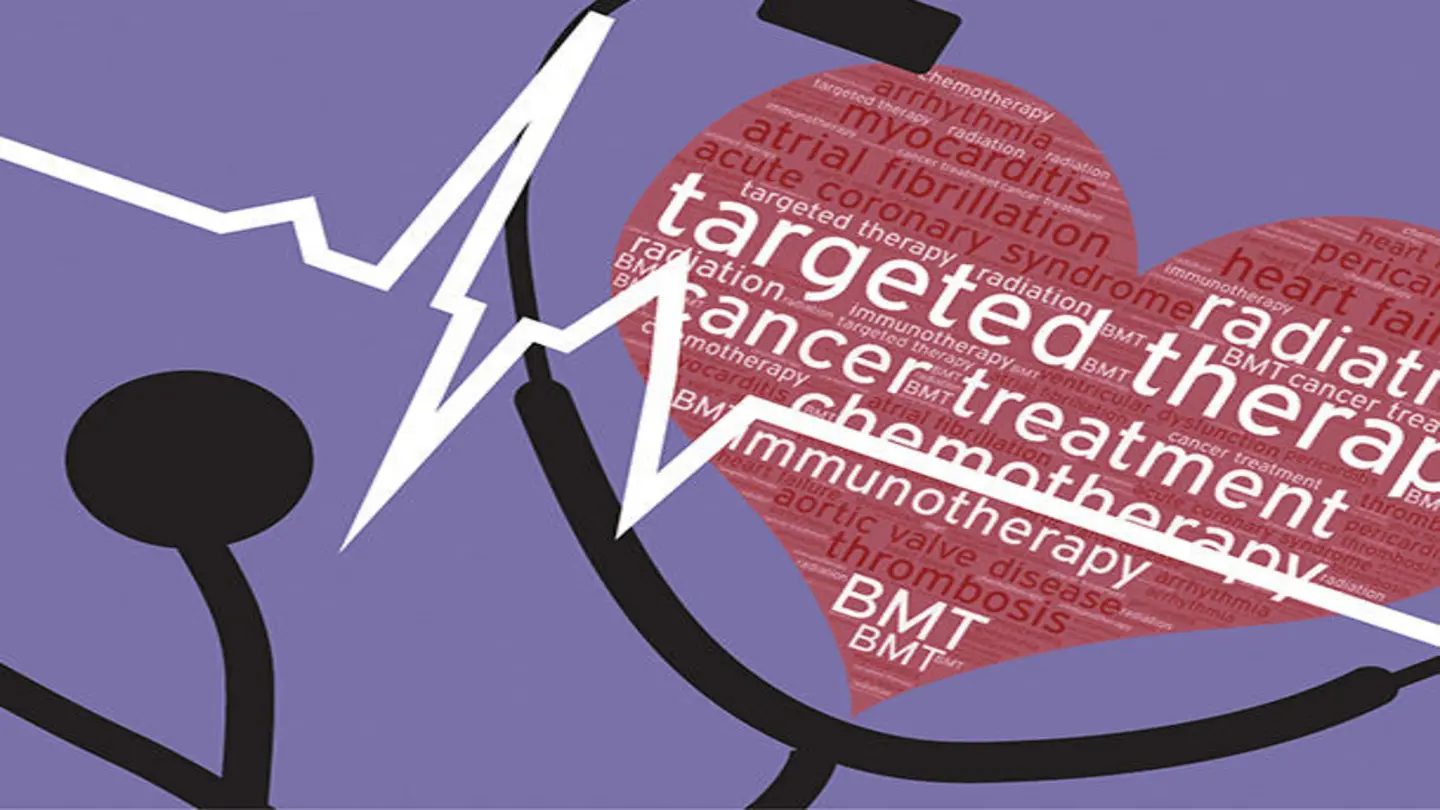
A recently published study reveals a significant and concerning surge in deaths attributed to heart disease among individuals battling cancer. The research, utilizing data from over 430,000 patients diagnosed with various cancers, indicates that cardiovascular complications are increasingly becoming a primary cause of mortality in this population, often overshadowing the cancer itself.
The study, appearing in the Journal of the American College of Cardiology, analyzed mortality records and identified a marked increase in heart disease-related deaths among cancer patients between 2010 and 2019. This rise was observed across numerous cancer types, affecting both men and women, and was independent of traditional cardiovascular risk factors like age, hypertension, and diabetes. Researchers believe the trend is driven by a complex interplay between cancer treatments – particularly chemotherapy and radiation – and the development of cardiac dysfunction.
Specifically, certain chemotherapy agents are known to cause cardiotoxicity, damaging the heart muscle and increasing the risk of heart failure, arrhythmias, and other cardiovascular problems. Radiation therapy, especially when directed towards the chest, can also inflict direct injury on the heart and coronary arteries. These treatment-induced cardiovascular changes often remain undetected or are underestimated during cancer care, leading to delayed intervention and poorer outcomes.
Study Findings & Implications
The most dramatic increases in heart disease-related deaths were seen among patients with cancers that are known to be particularly sensitive to cardiotoxic treatments, such as breast cancer, lung cancer, and hematological malignancies (blood cancers). The study highlights a critical need for more proactive cardiovascular monitoring and risk assessment in cancer patients throughout their treatment journey and beyond.
“We’ve known for a while that cancer treatments can affect the heart, but this study really underscores just how much of a problem this is becoming,” explained Dr. Priya Sharma, a lead author of the study. “As cancer survival rates improve, we are seeing more patients living with the long-term effects of cancer treatment – and that includes a rising burden of cardiovascular disease.”
One significant challenge is the difficulty in distinguishing between symptoms caused by cancer itself and those resulting from cardiac complications. Fatigue, shortness of breath, and swelling in the legs can all be manifestations of either disease, potentially leading to misdiagnosis or inadequate management of heart issues.
The findings urge a collaborative approach between oncologists and cardiologists to optimize cancer treatment strategies while minimizing cardiovascular risk. This could involve using cardioprotective medications during chemotherapy, modifying radiation techniques to reduce heart exposure, and implementing regular cardiac screening – including echocardiograms and electrocardiograms – for high-risk patients. Future research should focus on identifying individuals most vulnerable to treatment-related cardiotoxicity and developing personalized approaches to cardiac care within the context of cancer treatment. Increased awareness among patients is also vital, encouraging them to report any new or worsening cardiovascular symptoms to their healthcare providers promptly.
Ultimately, recognizing and tackling the growing threat of heart disease in cancer patients is crucial for enhancing their overall survival and quality of life.
Image Source: Google | Image Credit: Respective Owner