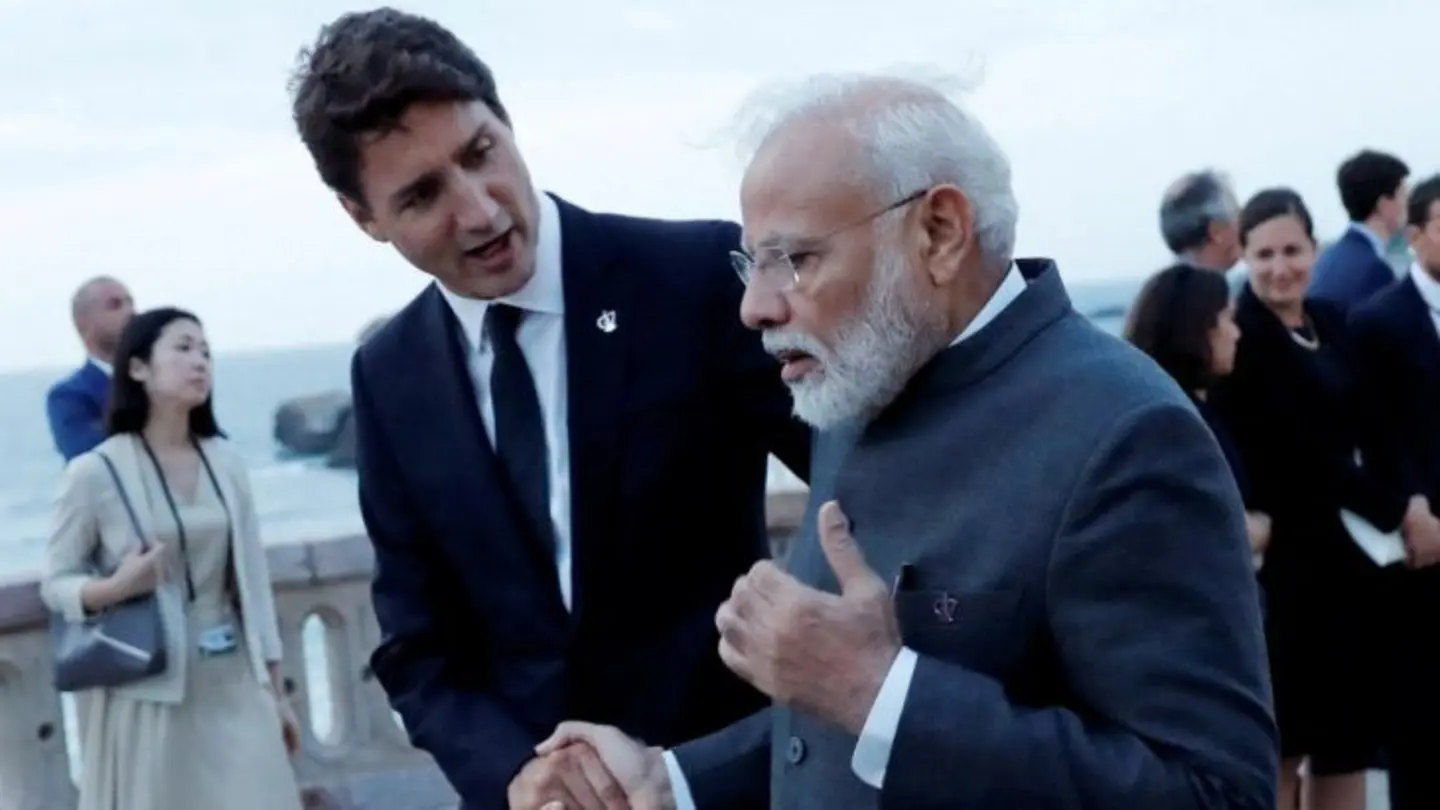
Canadian Prime Minister Justin Trudeau, during a recent address, highlighted the ongoing progress in trade relations with India, even as Canada navigates strained tariff issues with the United States. Trudeau’s comments signal a strategic diversification of Canada’s trade partnerships, potentially mitigating the impact of trade disputes with its southern neighbor. The Prime Minister emphasized the importance of fostering strong economic ties with key global players like India, underscoring Canada’s commitment to a diversified and resilient trade strategy.
The backdrop to Trudeau’s statement is the complex web of international trade agreements and disputes that currently characterize the global economic landscape. The United States, under successive administrations, has pursued a more protectionist trade policy, leading to tariff impositions and retaliatory measures from various countries. This has prompted nations like Canada to explore alternative markets and strengthen existing relationships to ensure economic stability and growth.
Canada-India Trade Relations
The economic relationship between Canada and India has been steadily growing, encompassing a wide range of sectors including agriculture, technology, and energy. Bilateral trade has seen consistent increases, with both countries recognizing the potential for further expansion. Canada’s interest in the Indian market is driven by India’s large and growing consumer base, as well as its strategic importance in the Indo-Pacific region. India, on the other hand, views Canada as a reliable source of resources and a valuable partner in areas such as clean technology and infrastructure development. The Comprehensive Economic Partnership Agreement (CEPA) between the two nations is under negotiation, aiming to further reduce trade barriers and facilitate investment flows.
The reference to ‘progress’ suggests that ongoing discussions and negotiations are yielding positive results, potentially leading to enhanced trade terms and greater market access for Canadian businesses in India. This is particularly significant given the challenges posed by the US tariff environment. The Canadian government is actively seeking to create new opportunities for its exporters and investors, and India represents a promising avenue for diversification.
Implications for Canada’s Trade Strategy
The emphasis on India reflects a broader shift in Canada’s trade policy. While the United States remains Canada’s largest trading partner, the Canadian government is increasingly focused on diversifying its trade relationships to reduce reliance on a single market. This strategy involves actively pursuing trade agreements with countries in Asia, Europe, and Latin America. By building a more diversified portfolio of trade partners, Canada aims to enhance its economic resilience and insulate itself from the adverse effects of protectionist measures implemented by any one country.
Furthermore, strengthening ties with India allows Canada to tap into the dynamic growth potential of the Asian economy. India’s rapidly expanding middle class and increasing industrialization make it an attractive market for Canadian goods and services. The Canadian government is also keen to collaborate with India on addressing global challenges such as climate change and sustainable development, further cementing the bilateral relationship.
In conclusion, Prime Minister Trudeau’s remarks highlight the strategic importance of Canada’s trade relationship with India, particularly in the context of ongoing tariff tensions with the United States. As Canada seeks to diversify its trade partnerships and enhance its economic resilience, India is poised to play an increasingly significant role in its overall trade strategy. The ‘progress’ being made in bilateral relations signals a positive trajectory for future cooperation and mutual economic benefit.
Image Source: Google | Image Credit: Respective Owner