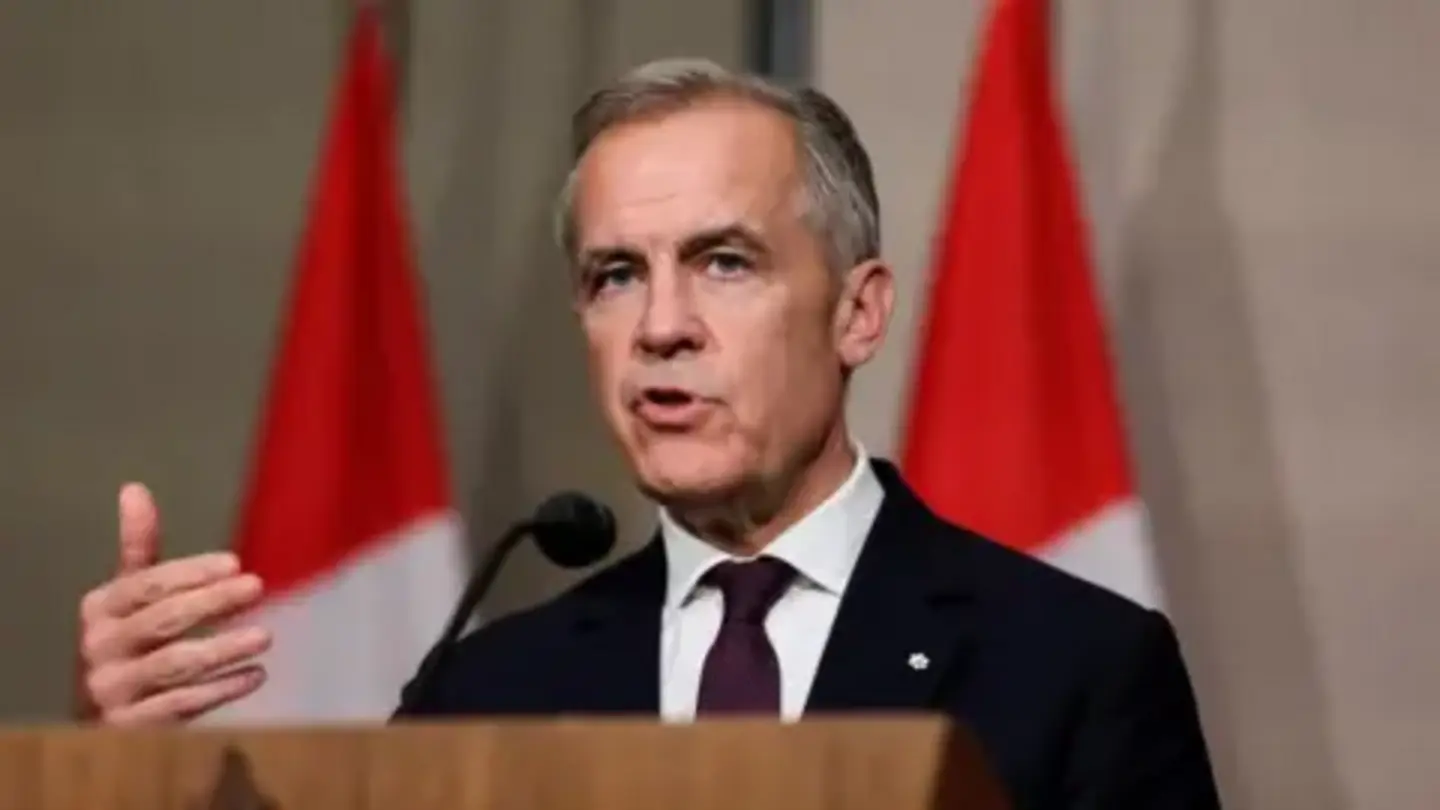
Canada is actively strengthening its relationship with India as a strategic countermeasure to potential economic and political pressures stemming from the United States under the Trump administration. This shift in focus, highlighted by an upcoming visit from Canadian Prime Minister Mark Carney in March, signals a clear intent to reduce reliance on the US and forge new partnerships on the global stage.
The impetus for this pivot lies in anxieties within Canada regarding the possibility of a second Trump presidency and the potential for protectionist policies that could harm Canadian interests. Statements from Canadian officials, including a firm declaration that Canada “will not be the 51st state,” underscore a desire for greater autonomy and diversification of trade and diplomatic relations. The previous Trump administration frequently threatened tariffs and renegotiated trade agreements like NAFTA, creating uncertainty for Canada’s economy.
Economic Opportunities Drive Engagement
India presents a compelling alternative and a significant opportunity for economic growth. With a rapidly expanding economy and a large consumer market, India is increasingly attractive to Canadian businesses seeking diversification. Areas of potential collaboration include clean technology, renewable energy, infrastructure development, and education. The Canada-India Economic Cooperation and Promotion Council (CIEPC) has been instrumental in fostering these connections, and further initiatives are expected following Carney’s visit.
Beyond economics, the strategic importance of India in the Indo-Pacific region is also a key factor. Canada recognizes India’s growing role as a regional power and a potential partner in addressing shared challenges such as climate change, security concerns, and global health crises. Strengthening diplomatic ties with India allows Canada to broaden its influence and contribute to a more stable and prosperous Indo-Pacific region.
The upcoming visit by Prime Minister Carney is expected to yield concrete agreements and initiatives aimed at deepening the Canada-India partnership. Discussions will likely center on trade liberalization, investment promotion, and enhanced cooperation in areas of mutual interest. Both countries are also expected to address issues related to student visas and immigration, streamlining processes to facilitate greater people-to-people exchange.
This strategic realignment isn’t viewed as a rejection of the US, but rather as a pragmatic approach to risk management and a proactive effort to secure Canada’s future in an increasingly complex global landscape. Canada continues to value its relationship with the US, but recognizes the necessity of diversifying its partnerships to safeguard its economic and political interests. The focus on India represents a significant step in that direction, demonstrating Canada’s commitment to building a more resilient and independent foreign policy.
Analysts suggest that this trend will likely continue, with Canada seeking to strengthen ties with other key partners in Asia, Europe, and beyond. The goal is to create a network of strong and reliable relationships that can buffer Canada from potential shocks and ensure its long-term prosperity. The message is clear: Canada is looking beyond its southern neighbor to forge its own path on the world stage.
Image Source: Google | Image Credit: Respective Owner