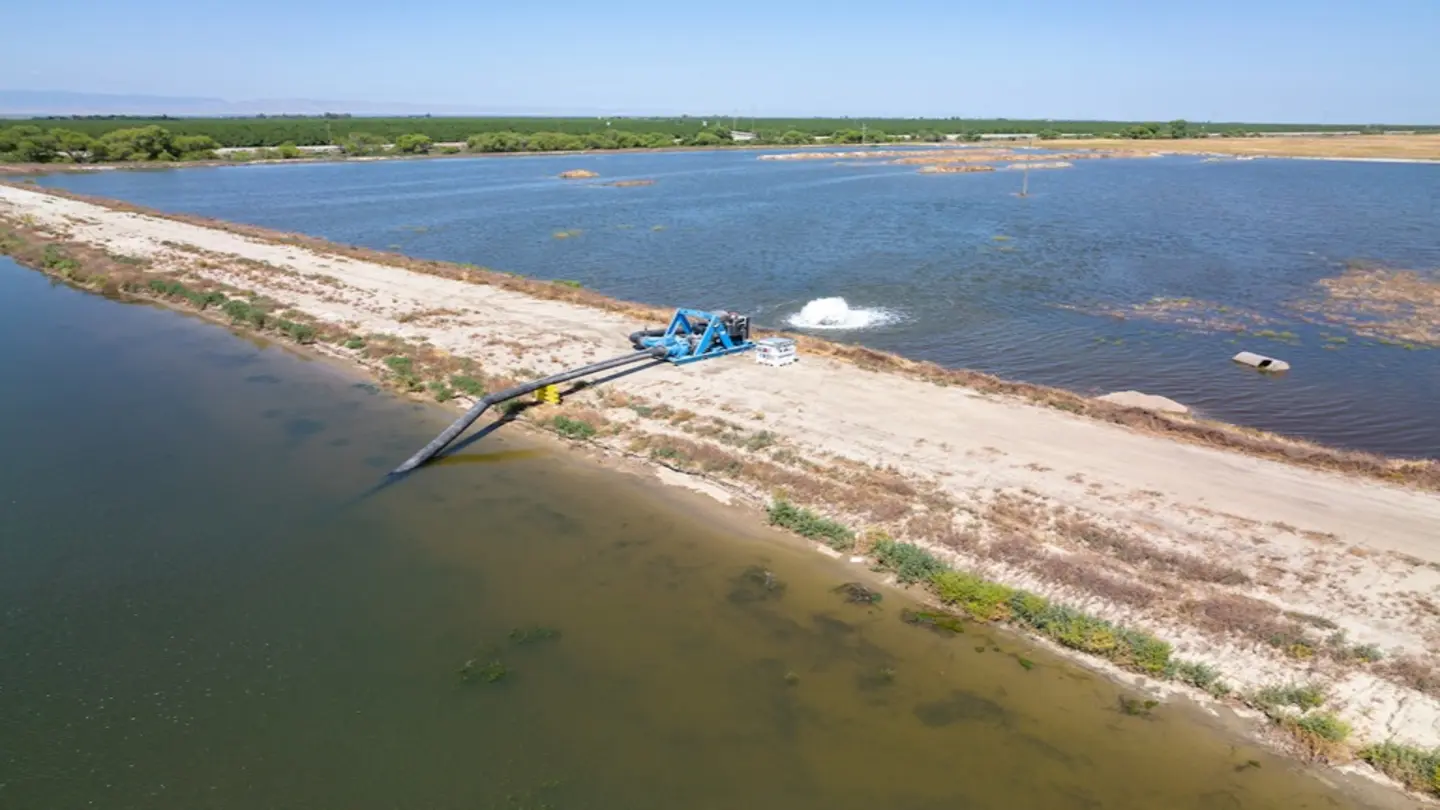
A new study details the design, construction, and monitoring of a micro-scale Managed Aquifer Recharge (MAR) project in California’s Central Valley, offering a potential model for addressing regional water scarcity. Published in the ESS Open Archive, the research focuses on a decentralized approach to replenishing groundwater supplies, a critical need given the Valley’s history of over-pumping and declining water tables.
The Central Valley, a major agricultural hub, faces significant challenges related to water availability, particularly during prolonged droughts. Traditional large-scale water storage and conveyance projects are often expensive and environmentally contentious. This project explores a more localized and adaptable solution – utilizing smaller, distributed recharge facilities.
Researchers implemented a system designed to capture excess surface water, such as stormwater runoff or diverted floodwater, and infiltrate it into the underlying aquifer. The study emphasizes the importance of careful site selection, considering factors like soil permeability, groundwater depth, and potential for contaminant transport. Detailed hydrological assessments were conducted to optimize recharge rates and minimize environmental impacts.
Project Design and Construction
The micro-scale MAR system involved constructing a shallow infiltration basin with specific design features to enhance water quality and recharge efficiency. These features included a pre-treatment component to remove sediment and debris, and a monitoring network to track water levels, flow rates, and water quality parameters both upstream and downstream of the recharge facility. The construction phase was relatively quick and cost-effective compared to larger infrastructure projects.
Monitoring data revealed successful groundwater recharge, with measurable increases in water levels observed in nearby wells. The study also assessed the water quality changes during infiltration, finding that the natural filtration processes within the soil effectively removed many common contaminants. However, researchers noted the importance of ongoing monitoring to ensure long-term water quality protection.
The project’s success hinges on its adaptability to varying hydrological conditions. The Central Valley experiences significant seasonal fluctuations in water availability, and the MAR system was designed to accommodate both periods of excess water and periods of drought. During wet years, the system can actively recharge the aquifer, while during dry years, the stored water can be sustainably extracted.
This research provides valuable insights into the feasibility and effectiveness of micro-scale MAR as a tool for sustainable water management in the Central Valley and other similar regions. The decentralized nature of the approach allows for greater flexibility and responsiveness to local conditions, potentially making it a more resilient solution to water scarcity than traditional centralized systems. Further research is needed to assess the long-term performance and scalability of these types of projects, but the initial results are promising.
The study highlights the potential for integrating MAR into existing agricultural landscapes, offering a win-win scenario for both water resource management and agricultural productivity. By replenishing groundwater supplies, MAR can help to ensure the long-term sustainability of the Central Valley’s vital agricultural industry.
Image Source: Google | Image Credit: Respective Owner