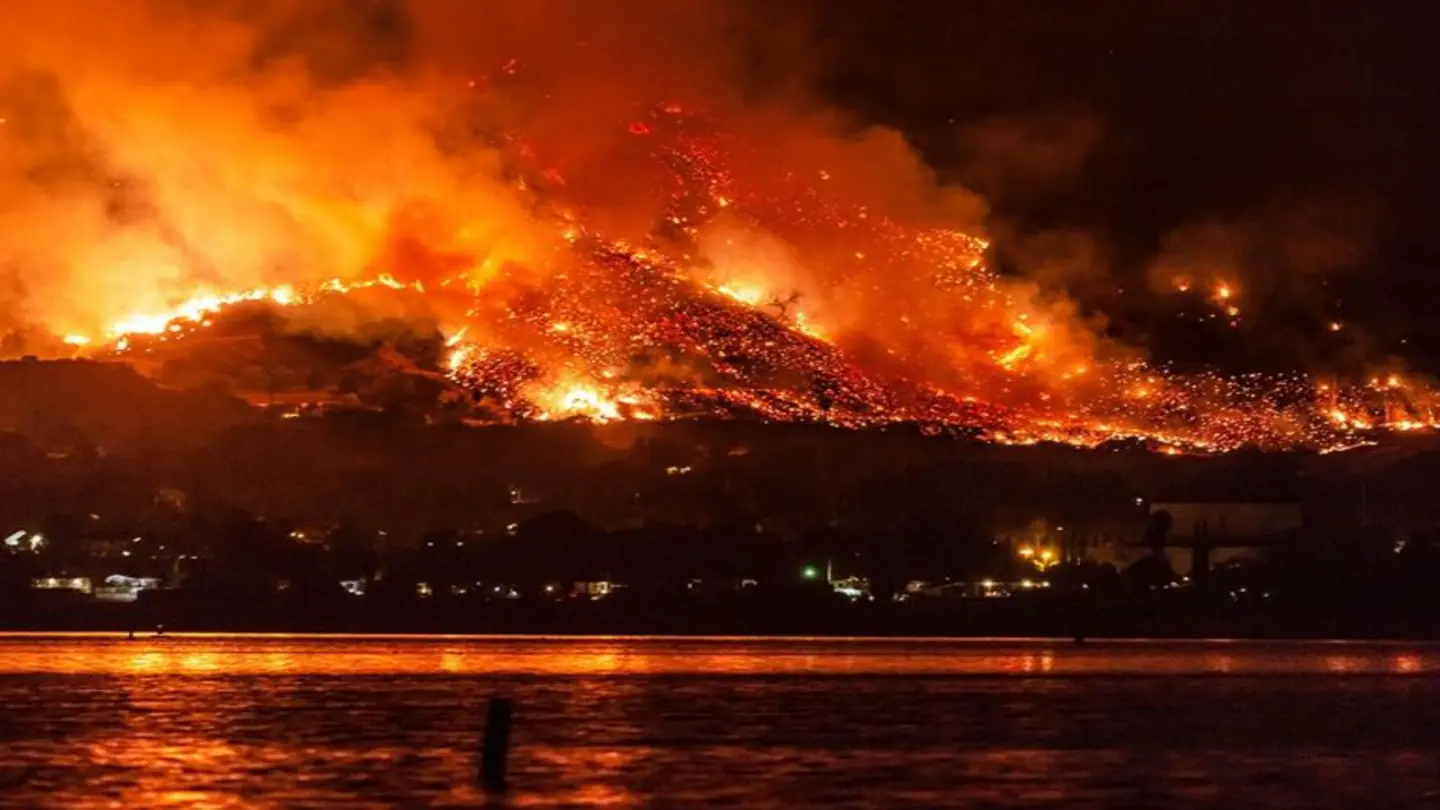
New research examining the devastating 2020 wildfire season in Butte County, California, reveals alarming connections between wildfire smoke exposure, community vulnerability, and public health outcomes. The high-resolution analysis, identified as study GH31B-0683 and published on ESS Open Archive, provides critical insights into how environmental disasters disproportionately affect vulnerable populations.
The study focused on measuring black carbon and PM2.5 concentrations – the fine particulate matter that poses serious health risks when inhaled. Researchers conducted detailed exposure assessments across Butte County communities, examining how smoke from wildfires spread through different neighborhoods and impacted residents during one of California’s most destructive fire seasons.
Findings indicate that socially vulnerable communities experienced higher concentrations of dangerous pollutants, creating what researchers describe as a double burden for these populations. Many residents in these areas face economic challenges, limited healthcare access, and now bear the brunt of environmental health hazards from wildfire smoke.
The study’s methodology involved sophisticated air quality monitoring and spatial analysis techniques, allowing researchers to map pollution levels with unprecedented precision. This granular approach revealed significant variations in smoke exposure even within relatively small geographic areas, highlighting how topography, wind patterns, and community infrastructure affect air quality during wildfires.
Perhaps most concerning, the research established links between wildfire smoke exposure and cancer mortality rates in the region. The long-term health implications of repeated smoke exposure, particularly the carcinogenic components found in wildfire emissions, represent a growing public health concern as climate change intensifies wildfire frequency and severity.
Butte County’s experience during 2020 serves as a critical case study for understanding wildfire smoke impacts nationwide. The county faced multiple large fires that year, including the North Complex Fire, which burned over 318,000 acres and resulted in significant smoke exposure for thousands of residents over extended periods.
The research contributes to mounting evidence that environmental health disparities often align with social and economic vulnerabilities. Communities with fewer resources face greater challenges in protecting themselves from smoke exposure, whether through air filtration systems, evacuation options, or healthcare support.
Study authors emphasize the urgent need for targeted public health interventions and policy responses that address these disproportionate impacts. As wildfire seasons lengthen and intensify across the American West, understanding these exposure patterns becomes increasingly critical for protecting vulnerable communities and developing equitable emergency response strategies.
The research findings have implications beyond California, offering insights that could inform public health preparedness and environmental justice initiatives in fire-prone regions worldwide.
Image Source: Google | Image Credit: Respective Owner