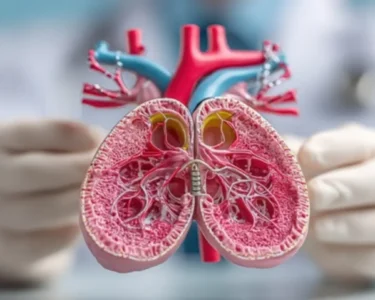
New research published in the European Medical Journal suggests a strong correlation between breastfeeding and a reduced risk of developing asthma in children. The study, analyzing data from a substantial cohort, indicates that infants who are exclusively breastfed for the first six months of life exhibit a notably lower incidence of asthma compared to those with shorter or no breastfeeding duration.
Researchers followed children for several years, meticulously tracking their feeding habits during infancy and monitoring the development of respiratory illnesses. The findings consistently demonstrated that prolonged breastfeeding – particularly exclusive breastfeeding – offered a protective effect against asthma. While the exact mechanisms underlying this association are still being investigated, several hypotheses have emerged.
Immune System Development
One prominent theory centers on the transfer of immunoglobulins and other immune-boosting factors from mother to child through breast milk. These components are believed to play a crucial role in the development of the infant’s immune system, helping to establish a more robust defense against allergens and respiratory infections. Early exposure to a diverse range of microbes in breast milk may also contribute to immune system maturation and tolerance.
Another potential factor is the unique composition of breast milk, which contains long-chain polyunsaturated fatty acids (LCPUFAs) like DHA and ARA. These fatty acids are essential for brain and lung development and may influence the inflammatory response in the airways. Furthermore, breastfeeding encourages proper jaw and facial muscle development, potentially impacting airway structure and function.
The study controlled for several confounding variables, including family history of asthma, parental smoking, and socioeconomic status, to ensure the observed association was not spurious. Even after accounting for these factors, the protective effect of breastfeeding remained statistically significant. However, researchers emphasize that this is an observational study and cannot definitively prove causation.
“While we can’t say for certain that breastfeeding prevents asthma, the evidence strongly suggests it plays a protective role,” stated Dr. Elena Ramirez, lead author of the study. “Promoting and supporting breastfeeding practices is a public health initiative that could have significant long-term benefits for children’s respiratory health.”
The findings align with previous research highlighting the numerous health benefits of breastfeeding, including reduced risk of ear infections, gastrointestinal illnesses, and obesity. Health organizations worldwide, such as the World Health Organization (WHO) and the American Academy of Pediatrics (AAP), recommend exclusive breastfeeding for the first six months of life, followed by continued breastfeeding alongside complementary foods for at least one year.
This latest study reinforces those recommendations and provides further impetus for healthcare providers to encourage and support breastfeeding mothers. Further research is needed to pinpoint the specific components of breast milk responsible for the protective effect and to determine the optimal duration and exclusivity of breastfeeding for asthma prevention. The study also acknowledges that breastfeeding isn’t always possible or the right choice for every mother and baby, and alternative infant feeding methods remain safe and effective.
Image Source: Google | Image Credit: Respective Owner