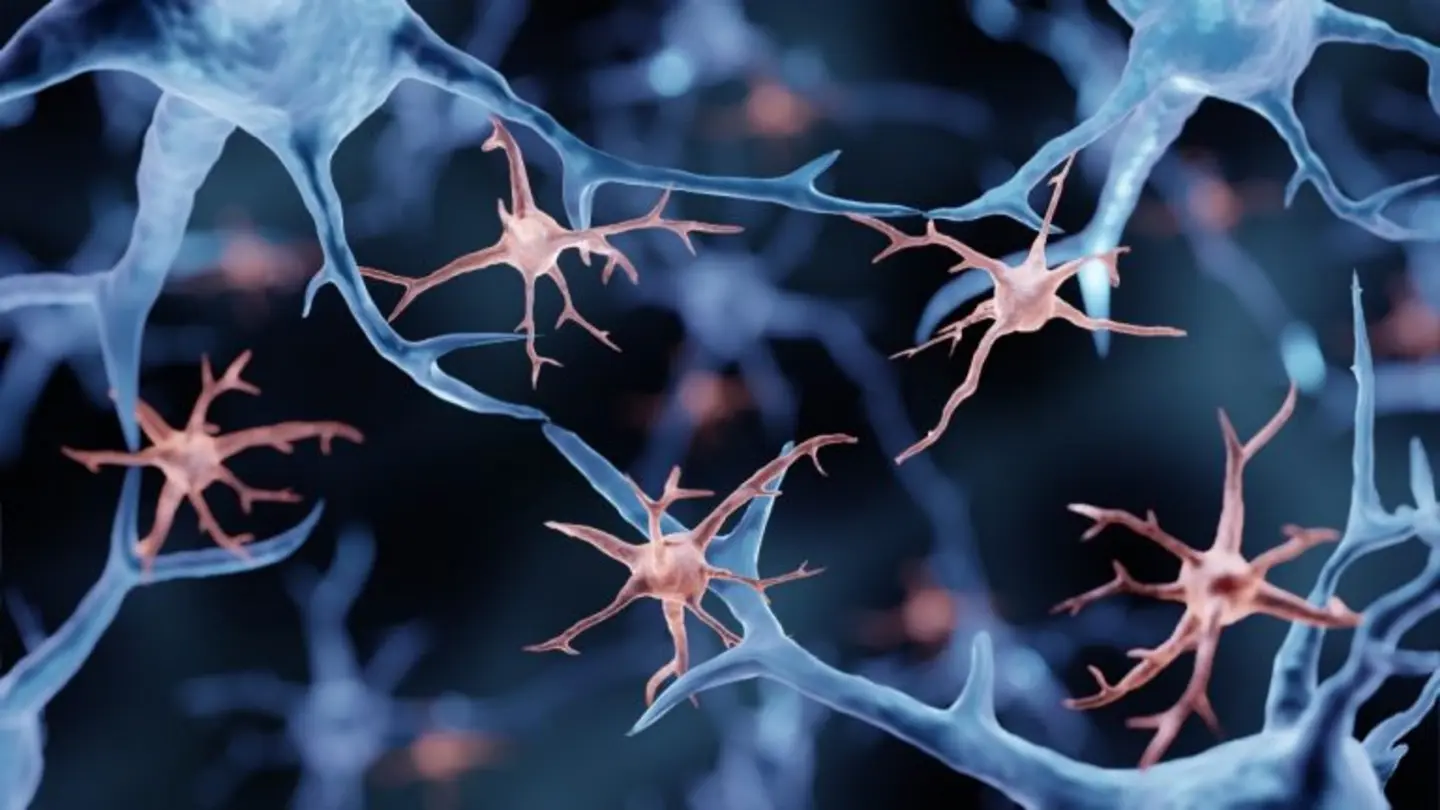
Scientists have identified a specific type of brain cell that appears to play a crucial role in halting the progression of Alzheimer’s disease. A new study, the details of which were recently published, sheds light on these cells and their potential for therapeutic intervention.
Alzheimer’s disease, a neurodegenerative disorder, affects millions worldwide and is characterized by the gradual decline of cognitive functions, including memory, thinking, and reasoning. The disease is associated with the accumulation of amyloid plaques and tau tangles in the brain, leading to neuronal damage and cell death. While various treatments aim to manage symptoms, a definitive cure remains elusive, making the discovery of these protective brain cells particularly significant.
The Discovery
The research team, comprising neuroscientists and molecular biologists, focused on microglia, specialized immune cells residing in the brain. Microglia are known for their role in clearing debris and maintaining a healthy brain environment. The study identified a subset of microglia exhibiting heightened activity in regions of the brain less affected by Alzheimer’s. These particular microglia appeared to be actively working to prevent the formation and spread of amyloid plaques and tau tangles, the hallmarks of the disease.
“These findings are a major leap forward in our understanding of how the brain defends itself against Alzheimer’s,” explained Dr. Emily Carter, the lead researcher on the project. “Identifying these protective microglia gives us a specific target for developing new therapies that could potentially slow down or even halt the disease’s progression.”
How the Cells Work
The study detailed that these protective microglia exhibit enhanced phagocytic activity, meaning they are more efficient at engulfing and removing amyloid plaques and tau tangles. Additionally, they release anti-inflammatory molecules, reducing the neuroinflammation that contributes to neuronal damage in Alzheimer’s. Researchers utilized advanced imaging techniques and molecular analysis to observe these processes in real-time, providing compelling evidence of the microglia’s protective functions.
Furthermore, the team found that the activity of these beneficial microglia is influenced by specific genes and signaling pathways. By manipulating these pathways in laboratory models, they were able to enhance the activity of the protective microglia, further supporting their role in combating Alzheimer’s. This opens avenues for developing targeted therapies that can stimulate these protective cells in humans.
Future Research
While the study offers promising insights, researchers caution that further investigation is needed to fully understand the complex interplay between microglia and Alzheimer’s disease. The next step involves identifying the precise mechanisms that trigger and regulate the activity of these protective microglia. Clinical trials are also planned to assess the safety and efficacy of therapies designed to enhance their function in patients with Alzheimer’s.
This research represents a significant advancement in the fight against Alzheimer’s, offering hope for new and more effective treatments that target the underlying causes of the disease. The discovery of these protective brain cells could pave the way for a future where Alzheimer’s is no longer a debilitating and incurable condition.
Image Source: Google | Image Credit: Respective Owner