New research published in the European Medical Journal reveals a significant correlation between brain activity patterns and hand dexterity. The study, which involved advanced neuroimaging techniques, demonstrates that specific brain activity observed during motor tasks can predict an individual’s proficiency in fine motor skills. This discovery could have profound implications for rehabilitation strategies following stroke or other neurological conditions affecting motor function.
Study Methodology and Findings
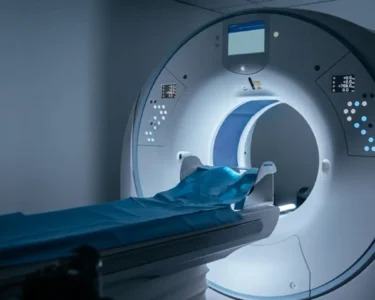
Researchers utilized functional magnetic resonance imaging (fMRI) to monitor brain activity in participants as they performed a series of standardized hand dexterity tests. These tests assessed various aspects of fine motor control, including speed, precision, and coordination. The fMRI data was then analyzed to identify neural signatures associated with different levels of dexterity. The study found that individuals with higher levels of hand dexterity exhibited distinct patterns of brain activity, particularly in the motor cortex, premotor cortex, and cerebellum – areas known to be involved in motor control and learning. Specifically, the strength of connectivity between these regions was significantly correlated with dexterity scores. The study also investigated the role of specific neurotransmitters in modulating the relationship between brain activity and dexterity. Preliminary findings suggest that dopamine and serotonin play a critical role in optimizing motor performance.
“Our findings provide compelling evidence that brain activity can serve as a reliable predictor of hand dexterity,” said Dr. Anya Sharma, lead author of the study. “This opens up new avenues for developing personalized rehabilitation programs tailored to an individual’s specific neural profile.” The research team is now exploring the possibility of using real-time fMRI feedback to train individuals to enhance their hand dexterity. This approach, known as neurofeedback, involves providing individuals with visual or auditory feedback based on their brain activity, allowing them to learn to consciously control their neural responses.
Implications for Rehabilitation
The implications of this research extend beyond basic neuroscience, offering potential benefits for individuals recovering from stroke, traumatic brain injury, or other conditions that impair motor function. By identifying the neural correlates of hand dexterity, clinicians may be able to develop more targeted and effective rehabilitation strategies. For example, individuals with specific patterns of brain activity may benefit from intensive training focused on strengthening the connections between key motor regions. Furthermore, the study highlights the importance of early intervention in promoting motor recovery. By identifying individuals at risk of developing motor impairments, clinicians can implement preventative measures to optimize brain plasticity and minimize functional deficits. The research team acknowledges that further studies are needed to validate these findings and to explore the long-term effects of neurofeedback training on hand dexterity.
The study underscores the complex interplay between brain activity and motor function, offering valuable insights into the neural mechanisms underlying hand dexterity. This new understanding could revolutionize rehabilitation approaches and improve the quality of life for individuals with motor impairments. The next phase of research will focus on translating these findings into clinical practice, with the goal of developing innovative tools and therapies to enhance motor recovery.
Image Source: Google | Image Credit: Respective Owner