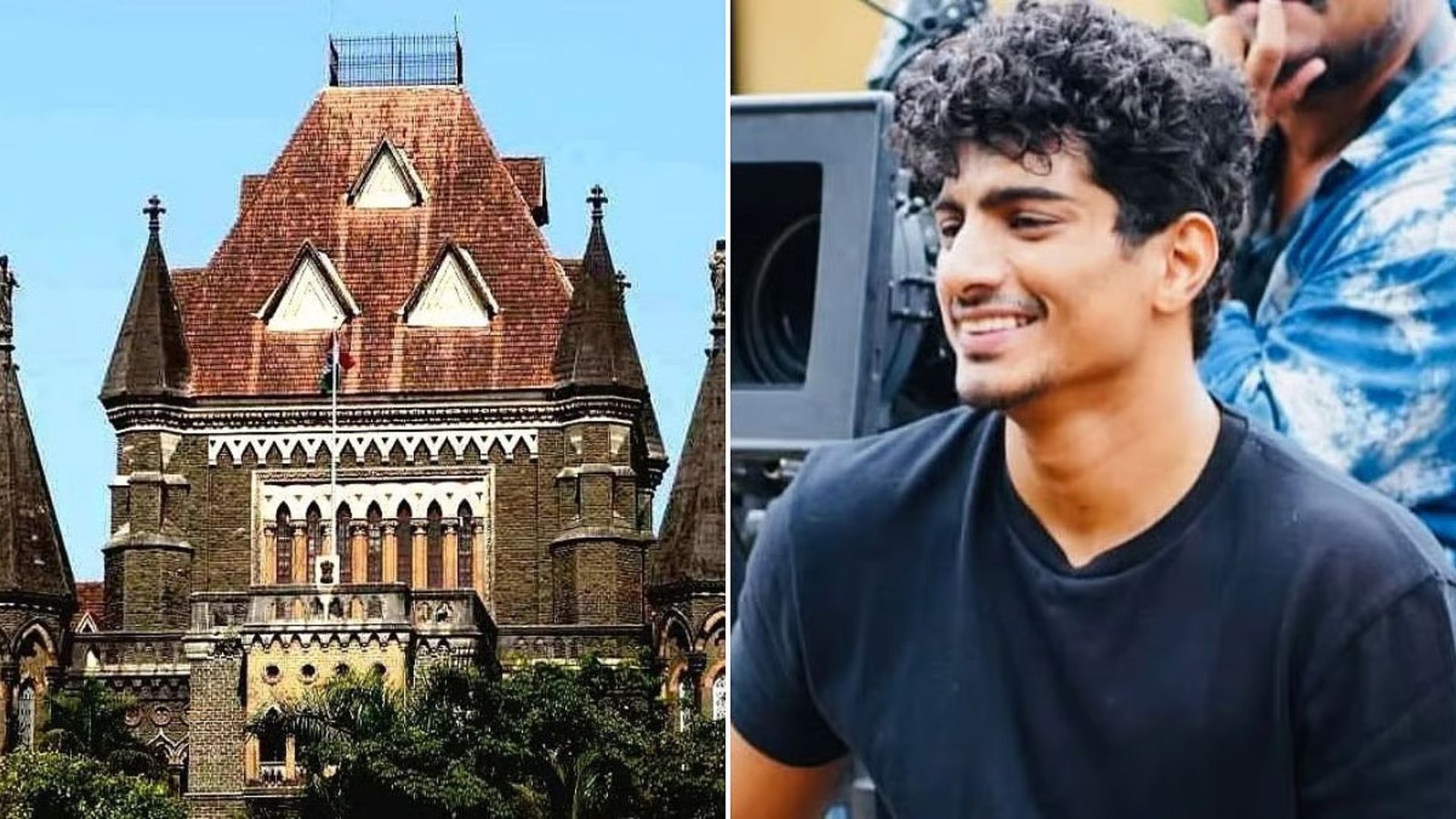
The Bombay High Court has granted interim relief to music composer Palash Muchhal in a Rs 10 crore defamation case filed against journalist Vidnyan Mane. The case stems from an article published by Mane, which Muchhal claims has severely damaged his reputation and professional standing.
Muchhal, known for his work in Bollywood and Indian music, approached the court seeking protection against the alleged defamatory content. The High Court’s decision to grant relief indicates that the matter will be examined in detail, with both parties expected to present their arguments in the coming hearings.
The defamation case highlights the ongoing tensions between public figures and media professionals in India. Muchhal’s legal team argued that the article in question contained false and malicious statements that have caused significant harm to his personal and professional life. They emphasized the need for accountability in journalism, especially when it involves allegations against well-known personalities.
On the other hand, Mane’s defense is likely to focus on the principles of press freedom and the public’s right to information. The case raises important questions about the balance between protecting individual reputations and upholding journalistic integrity.
The Bombay High Court’s intervention underscores the judiciary’s role in mediating disputes between media and public figures. Legal experts suggest that the outcome of this case could set a precedent for similar defamation suits in the future, particularly in the entertainment industry.
Muchhal’s career spans over a decade, during which he has composed music for several Bollywood films and gained recognition for his contributions to the industry. The defamation allegations, if proven false, could have long-lasting implications for his professional relationships and public image.
The court has scheduled further hearings to delve deeper into the merits of the case. Both parties are expected to present evidence and testimonies to support their claims. The proceedings will be closely watched by legal observers, media professionals, and the entertainment industry at large.
This case also brings to light the challenges faced by public figures in managing their public image in the age of digital media. With information spreading rapidly online, the potential for reputational damage has increased, prompting many celebrities to take legal action against perceived defamatory content.
As the case progresses, it will be crucial to observe how the court navigates the complex interplay between freedom of expression and the right to protect one’s reputation. The final judgment could have far-reaching implications for both the media landscape and the entertainment industry in India.
Image Source: Google | Image Credit: Respective Owner