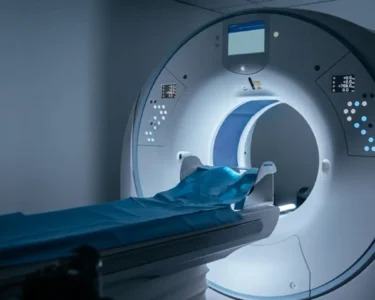
A groundbreaking blood test offers the potential to detect head and neck cancers up to a decade before conventional diagnostic methods, according to research highlighted in The Times of India. This non-invasive approach could revolutionize early detection, significantly improving treatment outcomes and survival rates for these often-aggressive cancers.
Early Detection: A Game Changer
Traditional methods for diagnosing head and neck cancers often rely on identifying noticeable symptoms, which may not manifest until the disease has progressed to later stages. This delay can hinder effective treatment. The new blood test, however, analyzes specific biomarkers indicative of cancer development, allowing for identification years before symptoms appear. This early detection enables prompt intervention, potentially preventing the cancer from advancing and improving patient prognosis.
Researchers are optimistic about the test’s capacity to discern between cancerous and precancerous states, which would be a monumental leap. This capability would allow doctors to intervene before cancer even fully develops, which is extremely beneficial. The research underscores the crucial role of regular screenings and early detection in managing head and neck cancers effectively.
The Science Behind the Test
The innovative blood test uses advanced technology to analyze the blood for telltale signs of cancer. These markers might include circulating tumor cells (CTCs), cell-free DNA (cfDNA), or particular proteins produced by cancer cells. The test’s accuracy depends on recognizing these subtle changes, which calls for very sophisticated equipment and data analysis. By pinpointing these signs early, physicians can suggest further investigation and therapies, such as biopsies or imaging scans, to verify the presence of cancer and start treatment as soon as possible.
Implications for Cancer Screening
The development of this blood test holds significant implications for cancer screening programs. Integrating such a test into routine check-ups could substantially increase the early detection rate for head and neck cancers. People at high risk, such as smokers, heavy drinkers, and those with a family history of the disease, would particularly benefit from routine screening. The test could also minimize the need for invasive diagnostic procedures, lessening patient stress and healthcare expenses. While further research and clinical trials are crucial to validate its efficacy and incorporate it into clinical practice, the potential benefits of this blood test in revolutionizing cancer detection are undeniable, providing a new standard for early treatment and enhanced patient care.
The promise of this blood test extends beyond just early detection; it may also assist in monitoring treatment response and detecting cancer recurrence, giving healthcare professionals a complete picture of the patient’s condition and enabling more individualized and successful treatment regimens.
Image Source: Google | Image Credit: Respective Owner