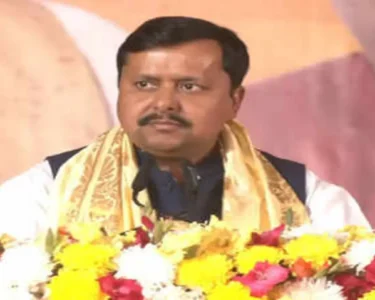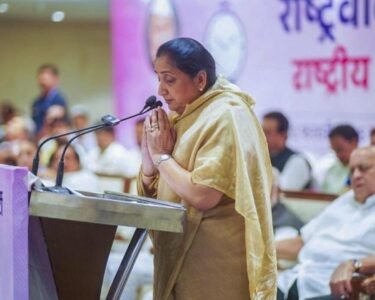
In a surprising turn of events, a 12th-pass candidate from the Bharatiya Janata Party (BJP) has outperformed Bhojpuri superstar Khesari Lal Yadav in a recent election. The young woman, whose name translates to ‘small girl,’ has become a symbol of change in the region. While details of the specific election are not explicitly stated in the provided context, the news highlights a shift in voter preferences and the potential for new faces to emerge in Indian politics.
This unexpected victory underscores the evolving dynamics of Indian elections, where traditional star power may not always guarantee success. The focus is shifting towards candidates with a strong local connection, a clear understanding of grassroots issues, and the ability to resonate with the electorate on a personal level. The BJP’s success in fielding a candidate who could defeat a well-known celebrity suggests a strategic approach to identifying and promoting individuals with the potential to connect with voters.
Grassroots Politics and Changing Voter Preferences
The victory of the ‘not-so-Chhoti Kumari’ points to the importance of grassroots politics and the ability of candidates to connect with voters on a personal level. Her 12th-pass education may have initially been perceived as a disadvantage, but it ultimately proved to be an asset, as it allowed her to relate to the concerns and aspirations of ordinary citizens. In contrast, Khesari Lal Yadav’s celebrity status may have created a disconnect with voters who were seeking a candidate who understood their everyday struggles. This event highlights a crucial lesson for political parties: that connecting with voters on a personal level is often more effective than relying on celebrity endorsements or established political dynasties.
Furthermore, this election result reflects changing voter preferences in India. Voters are increasingly looking beyond traditional markers of success, such as educational qualifications or family background, and instead focusing on candidates who are perceived as genuine, accessible, and committed to serving the public good. This shift in voter preferences presents both challenges and opportunities for political parties. On the one hand, parties need to identify and groom candidates who can connect with voters on a personal level. On the other hand, they need to be mindful of the fact that voters are increasingly discerning and will not be swayed by empty promises or superficial appeals.
The full impact of this election result remains to be seen, but it is clear that it has the potential to reshape the political landscape in the region. The victory of the ‘not-so-Chhoti Kumari’ serves as an inspiration to other aspiring politicians from humble backgrounds, demonstrating that with hard work, dedication, and a genuine commitment to serving the public, anything is possible. This story is a testament to the power of grassroots politics and the evolving dynamics of Indian elections.
Image Source: Google | Image Credit: Respective Owner