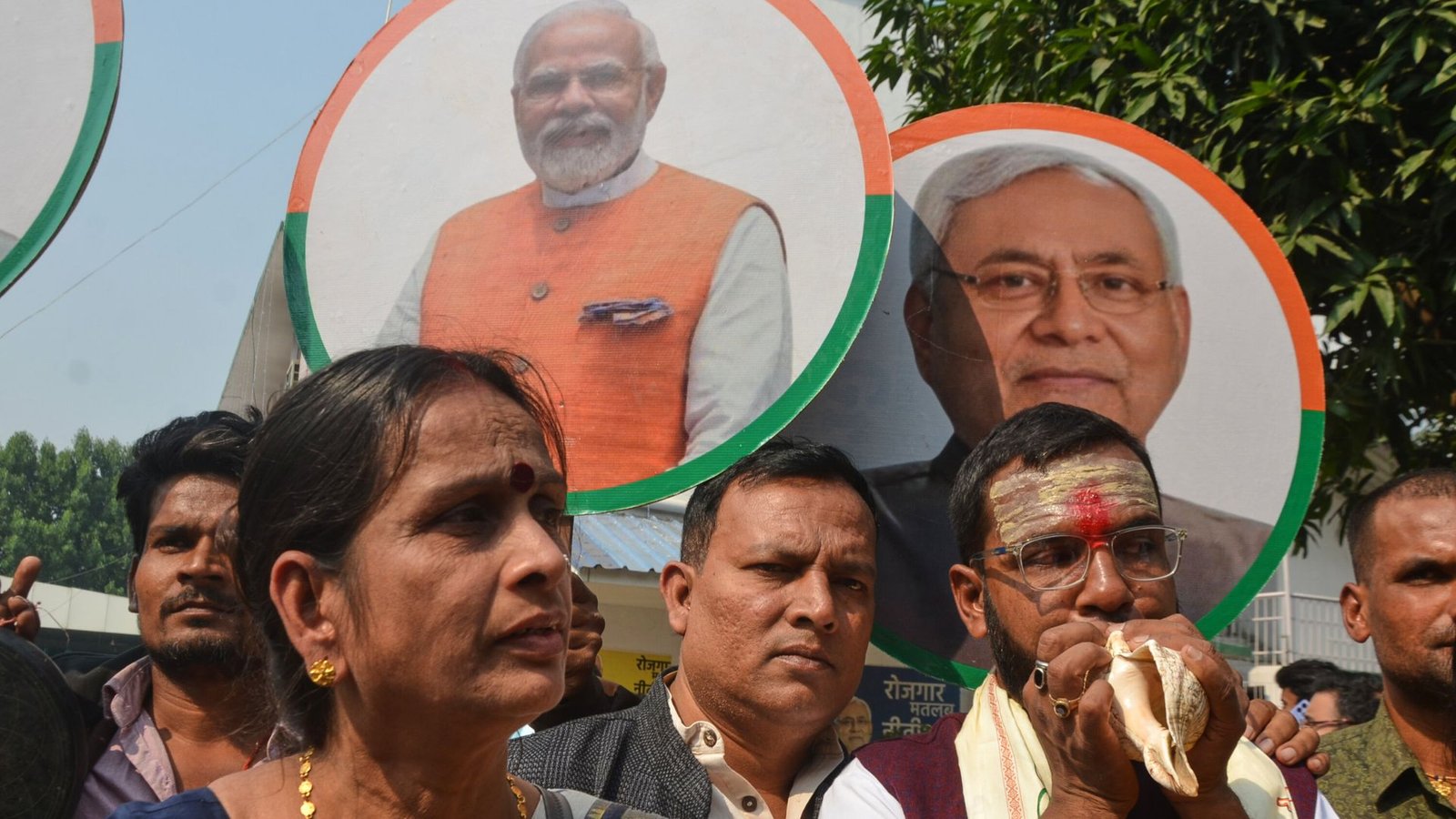
Despite the Bharatiya Janata Party’s (BJP) strong performance in the recent Bihar elections, where it secured an impressive 88% strike rate, a notable dozen candidates from the party experienced defeat. This unexpected outcome has prompted scrutiny and analysis within the party ranks and among political observers. While the BJP celebrated its overall success in the state, the individual losses of these candidates raised questions about local factors, candidate selection, and campaign strategies.
Key Factors Behind the Losses
Several factors have been identified as potential contributors to these defeats. Local anti-incumbency sentiments may have played a role, particularly in constituencies where the incumbent BJP candidate had held the seat for multiple terms. Changes in demographic dynamics, such as shifts in caste equations or increased voter turnout among specific communities, could also have influenced the results. Furthermore, the effectiveness of the opposition’s campaign narratives and their ability to resonate with local voters cannot be overlooked.
The selection of candidates itself is also under scrutiny. In some cases, the party may have underestimated the challenges posed by strong local leaders from rival parties or misjudged the suitability of certain candidates for specific constituencies. The BJP’s internal assessment will likely focus on whether the chosen candidates had sufficient local connect and whether their campaign messages effectively addressed the concerns of the electorate.
Impact on BJP’s Bihar Strategy
The losses, though limited in number compared to the BJP’s overall success, may still prompt adjustments to the party’s future strategy in Bihar. The BJP will likely conduct a thorough review of its candidate selection process, campaign management, and coordination with alliance partners. The party will also aim to strengthen its grassroots presence and enhance its engagement with local communities to better understand their needs and aspirations.
Political analysts suggest that the BJP may need to recalibrate its approach to address specific regional concerns and counter the narratives of opposition parties more effectively. This could involve tailoring campaign messages to resonate with local sentiments and addressing issues such as unemployment, infrastructure development, and agricultural concerns.
The BJP’s performance in Bihar, while largely positive, underscores the importance of addressing local factors and ensuring that its candidates are well-positioned to connect with voters at the grassroots level. The party’s internal review will be crucial in identifying areas for improvement and ensuring that it remains a dominant force in Bihar politics.
Ultimately, the BJP’s ability to learn from these experiences and adapt its strategies will be critical in maintaining its electoral success in the state. The dozen who lost, serve as a reminder that even in a wave election, local factors and individual candidate performance can significantly impact outcomes.
Image Source: Google | Image Credit: Respective Owner