Strategic Leadership Change
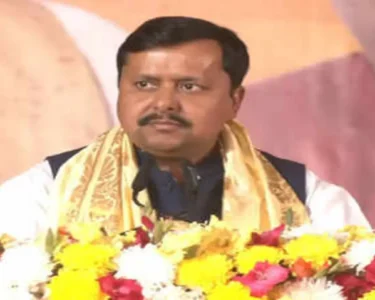
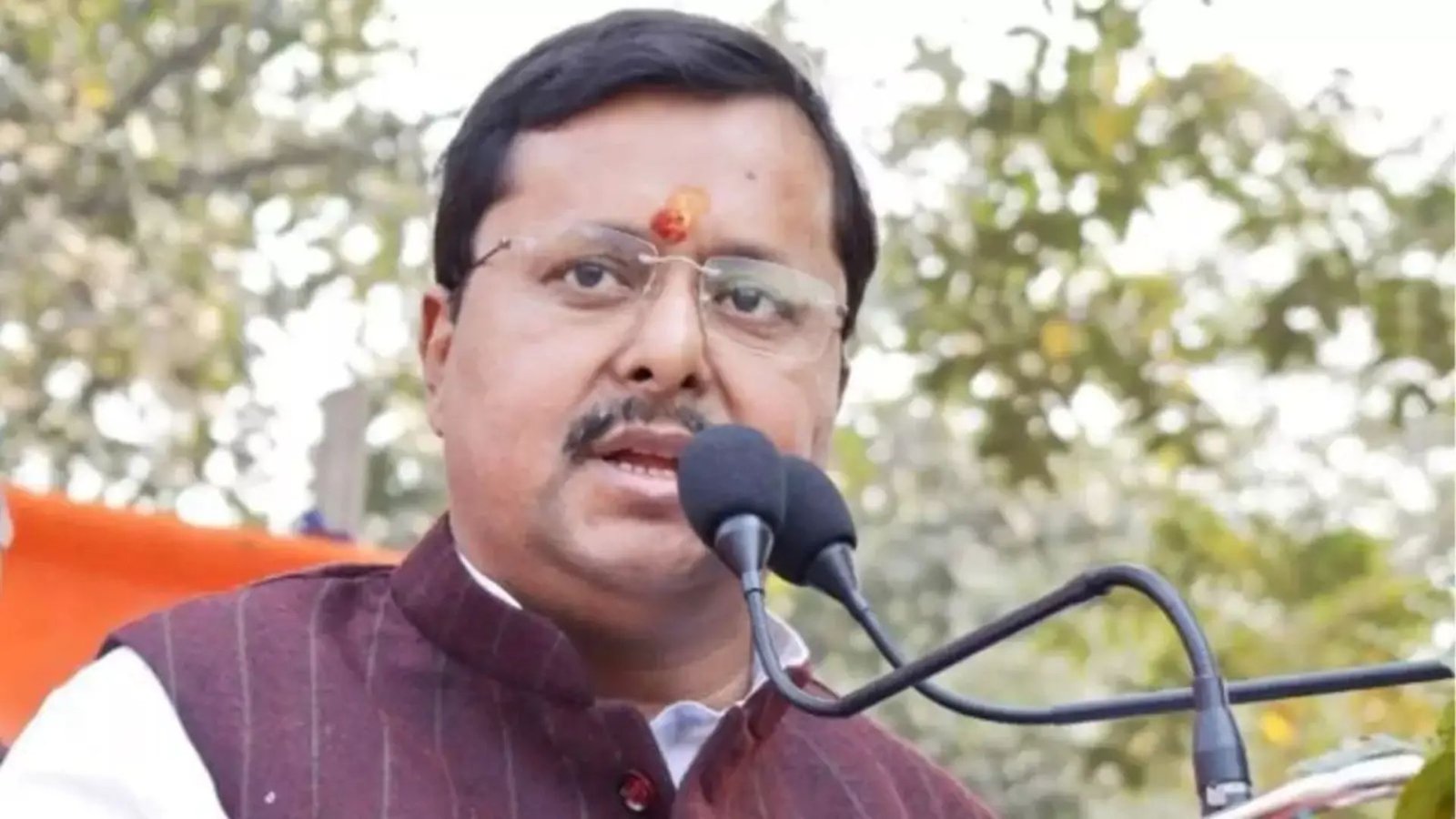
The Bharatiya Janata Party (BJP) has appointed Nitin Nabin, a 45-year-old rising star, as its new working president, marking a significant generational shift within India’s dominant political party. This move underscores the BJP’s strategic focus on refreshing its leadership ahead of key electoral challenges, including upcoming state and parliamentary elections. Nabin, previously serving as a Member of Parliament from Palamu in Jharkhand, succeeds J.P. Nadda, who had held the position since 2020. The transition signals a deliberate effort to integrate younger voices into the party’s core decision-making structures.
Nabin’s appointment reflects the BJP’s broader effort to balance experience with youthfulness. Known for his grassroots organizing skills and proximity to Prime Minister Narendra Modi, Nabin is seen as a pragmatic leader capable of navigating both parliamentary proceedings and party administration. His career has been marked by rapid ascents—from Jharkhand’s legislative assembly to national prominence—and analysts suggest his close ties to the party’s top leadership will be crucial in maintaining cohesion during politically volatile periods.
The timing of the change is widely interpreted as a preemptive measure. With several high-stakes state elections approaching in 2024, including in Karnataka and Telangana, the BJP aims to project dynamism and responsiveness. Nabin’s mandate is expected to emphasize modernization of the party’s organizational framework, enhancement of digital outreach, and strengthening of coordination among grassroots workers. Party insiders note that his tech-savvy approach aligns with the BJP’s push to leverage data-driven campaigning strategies.
Nabin’s challenges include managing factional interests within the party and addressing concerns about leadership continuity. The BJP has faced criticism in recent years over perceived stagnation in its upper echelons, particularly following controversies surrounding alliances and policy implementation. By installing a leader under 50, the party seeks to counteract narratives of complacency and reinforce its image as a forward-looking national force. Observers argue that Nabin’s success will hinge on his ability to balance ideological purity with pragmatic coalition-building.
Political analysts suggest this appointment also serves as a testament to the BJP’s institutionalized succession planning. Unlike many Indian parties where leadership transitions often trigger internal strife, the BJP has demonstrated a capacity to effect orderly changes while maintaining operational continuity. Nabin’s immediate priorities are likely to include assessing organizational gaps exposed during recent electoral setbacks and reimagining the party’s outreach strategies for diverse voter demographics. His experience in both rural and urban constituencies could prove vital in this regard.
The move has sparked speculation about longer-term implications for the BJP’s national leadership trajectory. While Modi remains the party’s primary electoral draw, Nabin’s rise positions him as a potential successor in future scenarios. However, the BJP has historically been cautious about anointing heirs apparent prematurely. For now, the emphasis remains on consolidating the party’s position ahead of 2024 polls, where regional opposition alliances could pose significant challenges. Nabin’s ability to navigate these complexities will be closely watched by both allies and adversaries alike.
Image Source: Google | Image Credit: Respective Owner