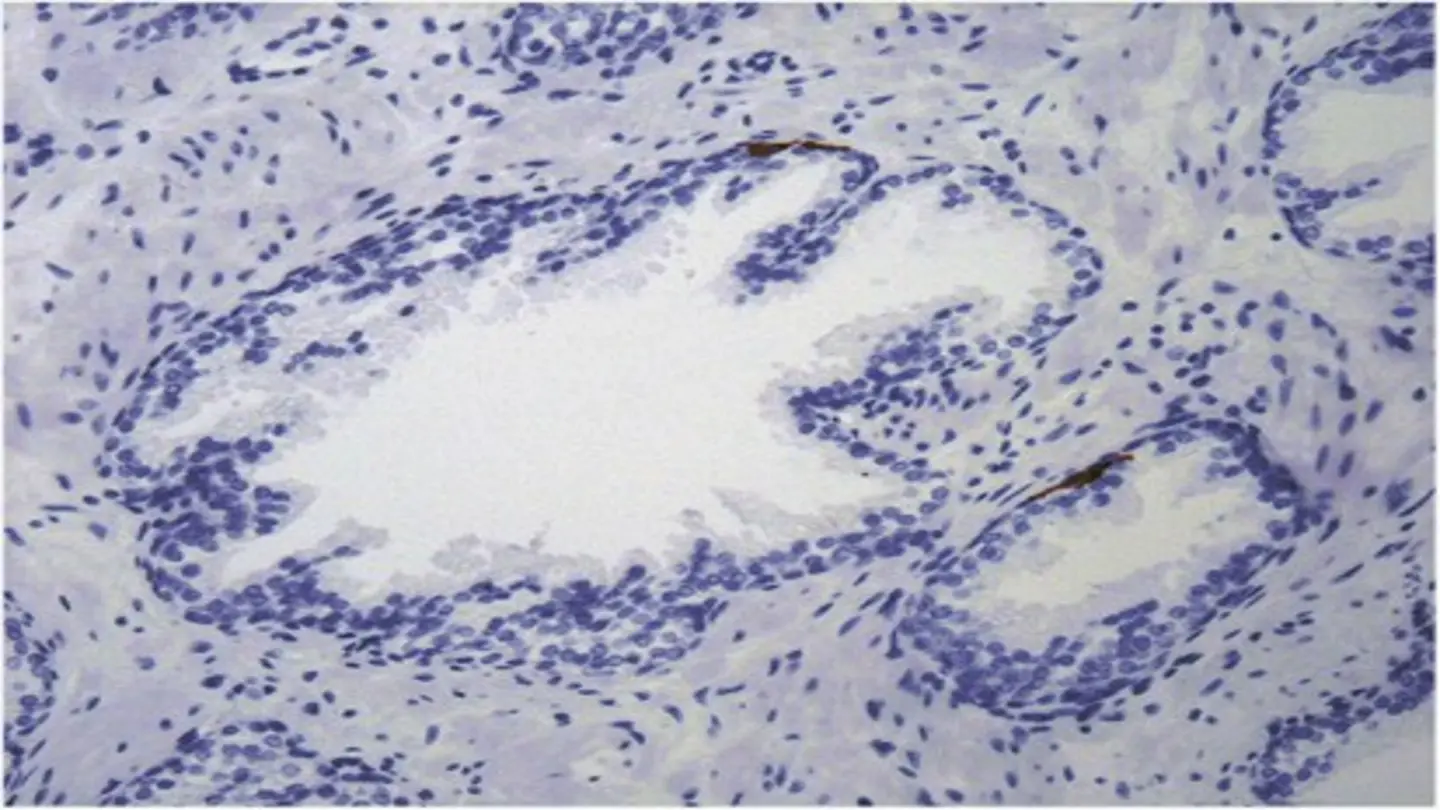
A new study published in the European Medical Journal explores the potential of immunohistochemical biomarkers to improve prognostic stratification in metastatic prostate cancer. Metastatic prostate cancer, which has spread to other parts of the body, remains a significant challenge in oncology. Accurate prediction of disease progression is crucial for guiding treatment decisions and improving patient outcomes.
The research team investigated a panel of biomarkers – proteins detectable in cancer cells – to identify patterns associated with different clinical outcomes in patients with metastatic castration-resistant prostate cancer (mCRPC). Immunohistochemistry (IHC) was used to analyze tissue samples from these patients, allowing researchers to assess the expression levels of various biomarkers.
Key Findings
The study identified specific biomarker signatures that correlated with both shorter and longer survival times. Certain biomarker combinations were associated with a more aggressive disease course, while others suggested a more indolent (slow-growing) form of the disease. These findings indicate that IHC can potentially help clinicians to better differentiate between patients who are likely to respond to standard therapies and those who may benefit from more aggressive treatment approaches.
Specifically, the research highlighted the role of biomarkers related to androgen receptor (AR) status, DNA damage response pathways, and immune microenvironment characteristics. Variations in the expression of these proteins were linked to differences in the rate of disease progression and overall survival. The team also observed that certain biomarker patterns were associated with resistance to commonly used therapies, such as enzalutamide.
Implications for Treatment
These findings have significant implications for personalized medicine in prostate cancer. By analyzing IHC profiles of tumor samples, clinicians may be able to identify patients who are at higher risk of rapid disease progression and tailor their treatment plans accordingly. This could involve adjusting the sequence of therapies, incorporating targeted agents, or enrolling patients in clinical trials testing novel approaches.
Further research is needed to validate these biomarker signatures in larger, more diverse patient cohorts. However, the results of this study suggest that immunohistochemical profiling holds promise as a valuable tool for improving prognostic accuracy and guiding treatment decisions in metastatic prostate cancer. The development of robust and reliable IHC assays could ultimately lead to more effective and personalized care for men with this devastating disease. The researchers emphasize the need for standardization of IHC protocols to ensure reproducibility across different clinical settings.
This research contributes to the growing field of liquid biopsies, though this study focuses on tissue biopsies. Combining IHC with other diagnostic techniques, such as genomic sequencing, could provide even more comprehensive insights into the underlying biology of prostate cancer and inform the development of next-generation therapies.
Image Source: Google | Image Credit: Respective Owner