The political landscape in Bihar is heating up as both the ruling National Democratic Alliance (NDA) and the opposition I.N.D.I.A. alliance gear up for the 2025 state elections. Seat sharing arrangements within both coalitions are proving to be a major challenge, with various parties vying for a larger share of the electoral pie. This internal jostling could potentially impact the overall strategies and chances of success for both alliances.
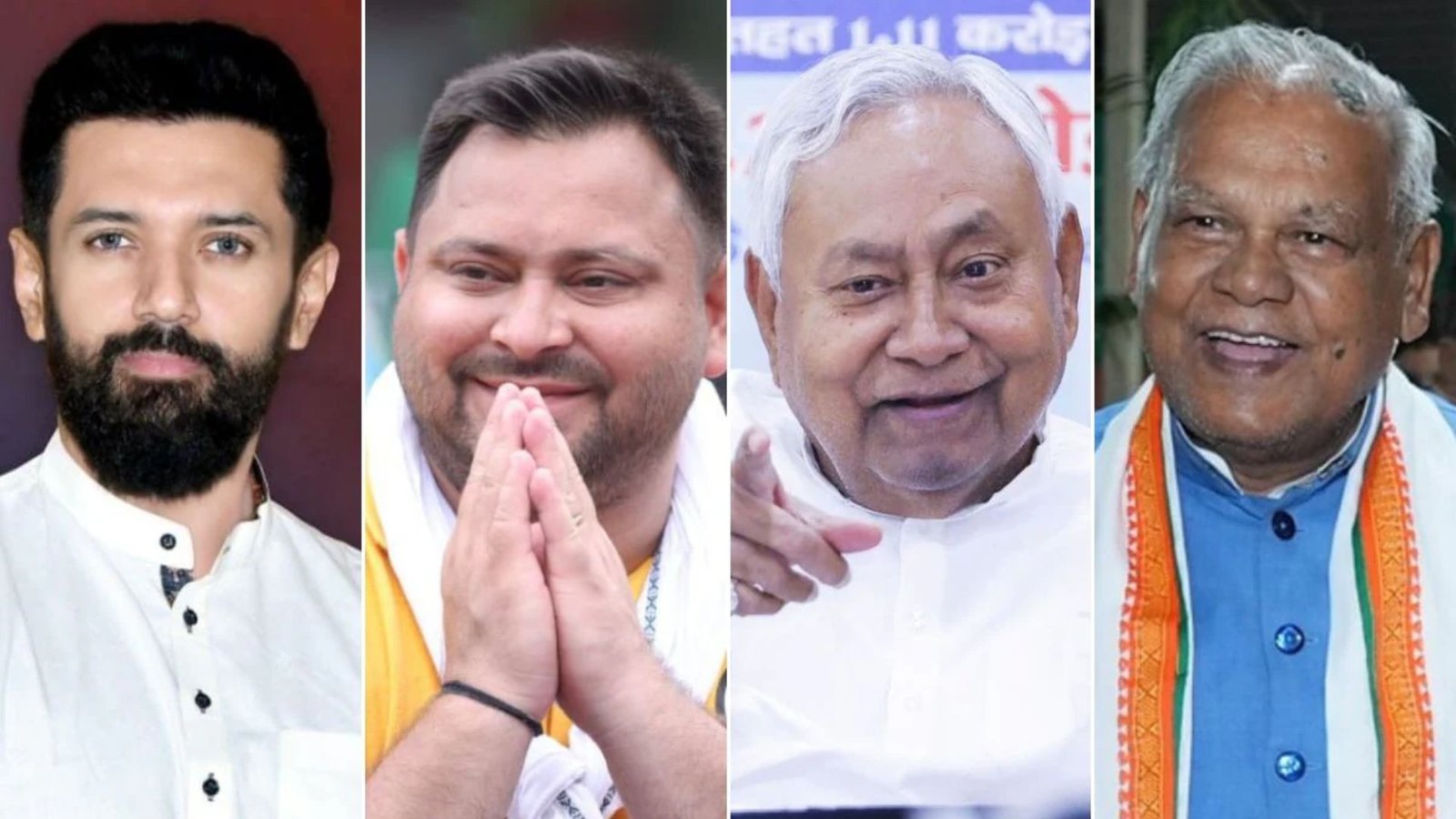
Within the NDA, tensions are reportedly simmering between key partners, particularly regarding the allocation of seats. The Janata Dal (United) (JD(U)), led by Chief Minister Nitish Kumar, and the Bharatiya Janata Party (BJP) are expected to be the dominant players, but smaller allies like the Lok Janshakti Party (Ram Vilas) (LJP(RV)) and the Hindustani Awam Morcha (Secular) (HAM-S) are also staking their claims. Each party is keen to maximize its representation in the assembly, leading to complex negotiations.
NDA Seat Sharing Dynamics
The BJP, buoyed by its performance in recent elections, is likely to push for a larger share of seats, potentially creating friction with the JD(U). Nitish Kumar’s party, however, will be keen to maintain its influence, especially after Kumar’s recent return to the NDA fold. The LJP(RV), under the leadership of Chirag Paswan, aims to consolidate its support base and emerge as a significant force in Bihar politics. The HAM-S, led by Jitan Ram Manjhi, will also be looking to secure a respectable number of seats to ensure its continued relevance.
On the other side of the political spectrum, the I.N.D.I.A. alliance faces its own set of challenges. The Rashtriya Janata Dal (RJD), led by Tejashwi Yadav, is expected to be the leading party in the coalition. However, the Congress party and other smaller regional players are also vying for a significant share of seats. The alliance aims to present a united front against the NDA, but internal disagreements over seat sharing could undermine its efforts.
I.N.D.I.A. Alliance Challenges
The Congress party, eager to revive its fortunes in Bihar, is likely to demand a substantial number of seats. The RJD, however, may be reluctant to concede too much ground, given its strong presence in the state. Other parties within the alliance, such as the Left parties, will also be seeking representation. Reaching a consensus on seat sharing will be crucial for the I.N.D.I.A. alliance to effectively challenge the NDA in the 2025 elections. The outcome of these negotiations will significantly shape the political landscape of Bihar and determine the balance of power in the state assembly. As both alliances navigate these complex dynamics, the voters of Bihar will be keenly watching to see which coalition can present a cohesive and credible alternative.
Image Source: Google | Image Credit: Respective Owner