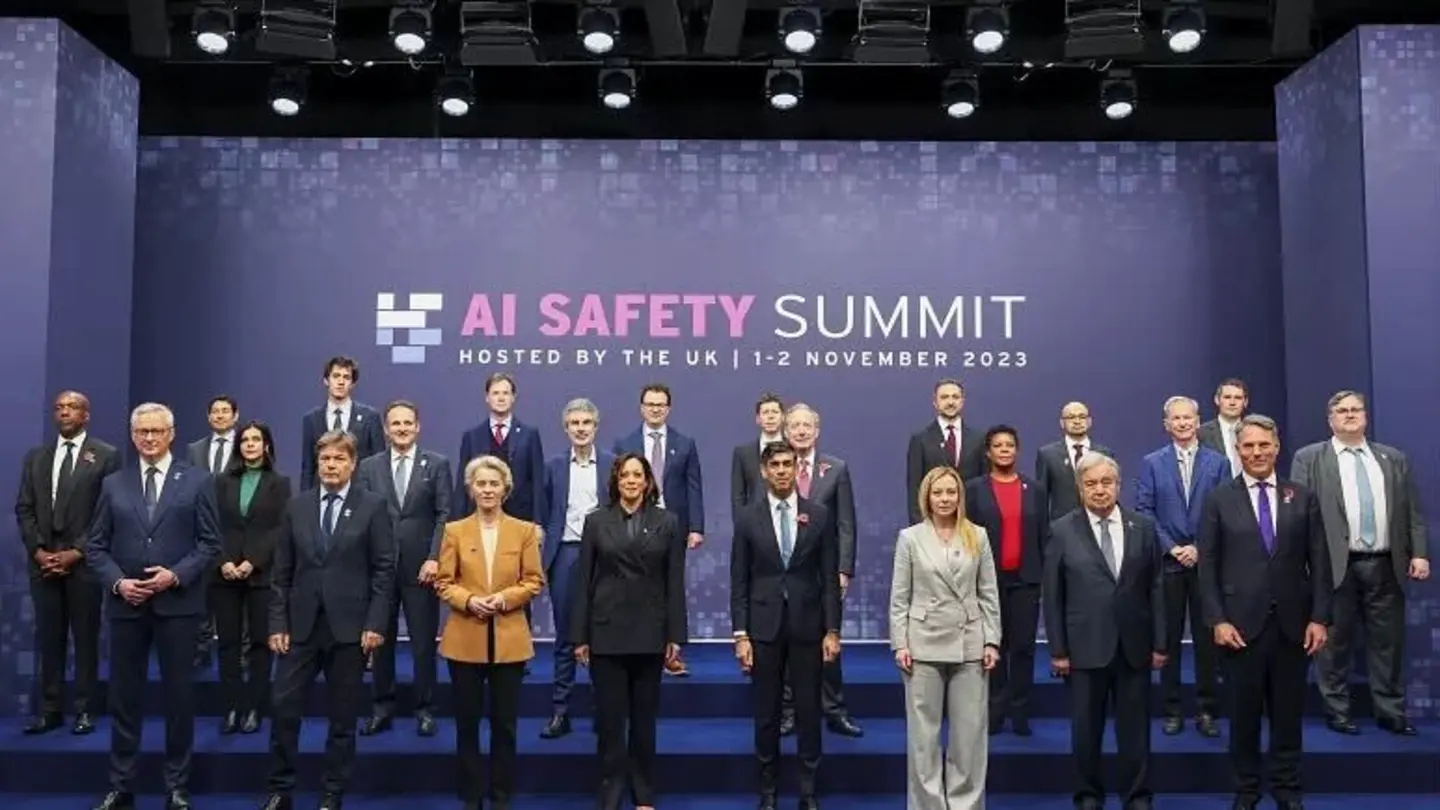
Montreal, Canada – Renowned AI researcher and often referred to as the ‘Godfather of AI,’ Yoshua Bengio, has voiced serious concerns regarding the lack of proactive governmental response to the potential widespread job displacement caused by the rapid advancement of artificial intelligence. Speaking at an AI Summit, Bengio argued that current policy discussions are lagging significantly behind the transformative impact AI is poised to have on the global workforce.
Bengio emphasized that while the benefits of AI – increased productivity, innovation, and economic growth – are undeniable, the societal consequences of mass unemployment are being largely ignored. He stated that governments worldwide are failing to adequately address the skills gap and the need for retraining programs to equip workers with the competencies required for the jobs of the future. The concern isn’t simply about a few industries being affected; Bengio suggests that AI’s capabilities are expanding across a broad spectrum of sectors, potentially impacting white-collar jobs alongside traditional blue-collar roles.
“We are witnessing a technological revolution unlike any other,” Bengio explained. “But without strategic intervention, this revolution risks exacerbating existing inequalities and creating a significant social crisis.” He called for a fundamental shift in how governments approach economic policy, advocating for investments in education, lifelong learning, and social safety nets to mitigate the negative effects of automation.
The Need for Proactive Policy
Bengio’s comments come as AI continues to permeate various aspects of life, from healthcare and finance to transportation and entertainment. The speed of AI development is accelerating, making it increasingly difficult for workers to adapt and remain competitive. He stressed that simply hoping that new jobs will emerge to replace those lost is not a viable strategy. A more deliberate and comprehensive approach is required, one that anticipates the challenges and proactively prepares the workforce for the changing landscape.
“It’s not about stopping AI,” Bengio clarified, “it’s about ensuring that its benefits are shared broadly and that its potential harms are minimized. This requires a coordinated effort between governments, industry, and academia.” He suggested exploring concepts like universal basic income, adjusted tax structures, and robust social support systems as potential solutions. The urgency of the situation, according to Bengio, cannot be overstated. Delaying action will only compound the problems and increase the risk of widespread social unrest.
The AI Summit provided a platform for a wide range of perspectives on the future of AI, but Bengio’s stark warning about the lack of governmental preparedness resonated strongly. His call for immediate action highlights the critical need for policymakers to prioritize the human element in the age of artificial intelligence. The conversation surrounding AI’s impact on employment must move beyond technological optimism and embrace a realistic assessment of the potential risks and rewards.
Image Source: Google | Image Credit: Respective Owner