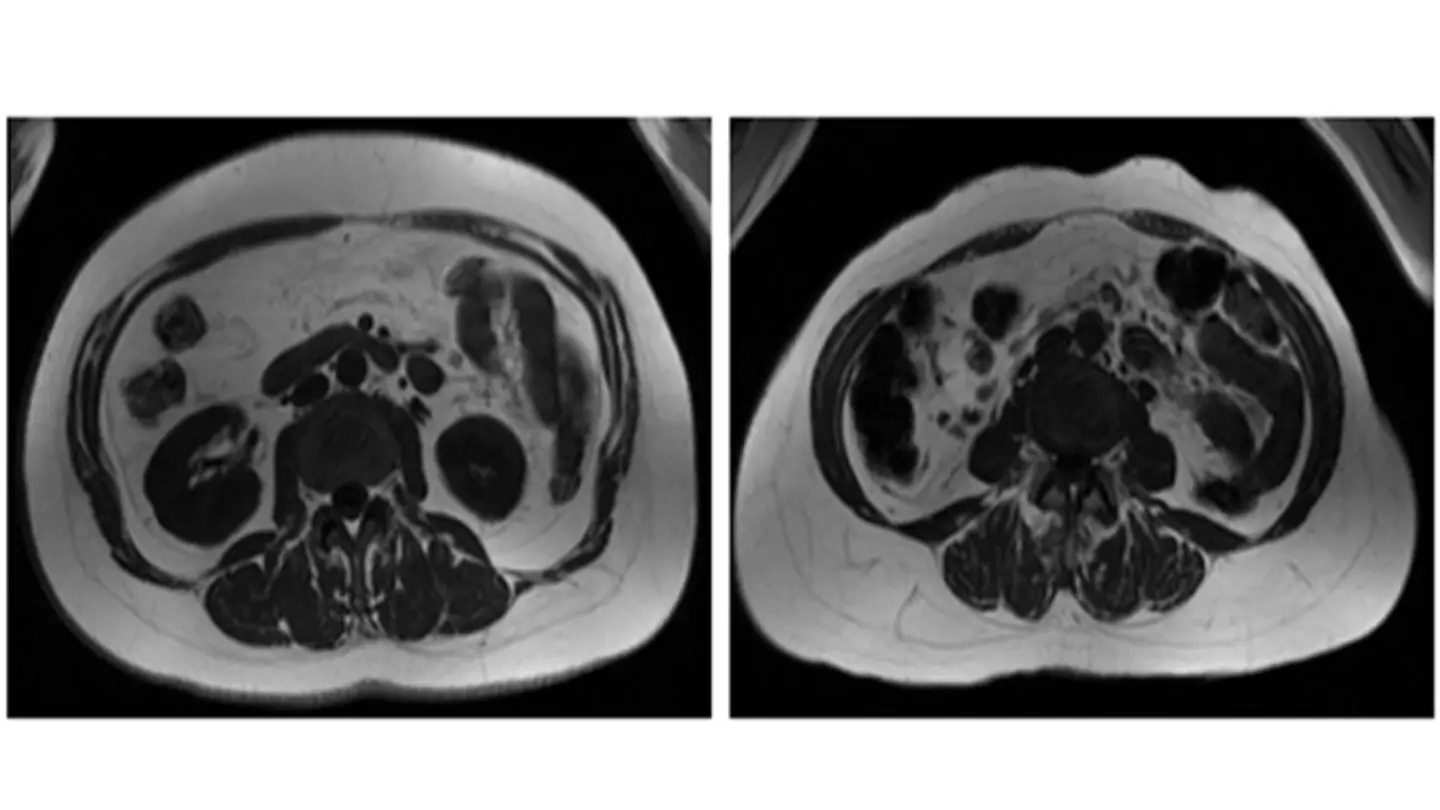
A recent study has uncovered a significant link between visceral fat, commonly known as deep belly fat, and the aggressive growth of cancer in women. The research, published in a leading medical journal, sheds light on the detrimental role of visceral fat activity in fueling cancer progression. Researchers found that active visceral fat cells release substances that promote cancer cell proliferation and resistance to treatment.
Visceral fat, unlike subcutaneous fat which lies just beneath the skin, is located deep within the abdominal cavity, surrounding vital organs such as the liver, pancreas, and intestines. It is metabolically active, meaning it secretes hormones and other substances that can impact various bodily functions. Previous studies have linked excess visceral fat to an increased risk of heart disease, type 2 diabetes, and certain cancers. This new research provides further evidence of its harmful effects, specifically in the context of cancer development.
Key Findings of the Study
The study involved a large cohort of women diagnosed with various types of cancer. Researchers analyzed the amount and activity of visceral fat in these women using advanced imaging techniques. They then correlated these findings with the stage and aggressiveness of the cancer, as well as the patients’ response to treatment. The results revealed a strong association between higher levels of active visceral fat and more aggressive forms of cancer. Women with greater visceral fat activity were also more likely to experience treatment failure and poorer overall survival rates.
Scientists identified several mechanisms by which visceral fat promotes cancer growth. They discovered that visceral fat cells release inflammatory substances, such as cytokines, which create a microenvironment that favors cancer cell proliferation. These substances also interfere with the body’s natural defense mechanisms, making it harder for the immune system to fight off cancer cells. Furthermore, visceral fat cells secrete hormones that can stimulate cancer cell growth and make them resistant to chemotherapy and radiation therapy.
The study highlights the importance of maintaining a healthy weight and reducing visceral fat levels as a strategy for cancer prevention and treatment. Lifestyle modifications, such as regular exercise and a healthy diet, can help reduce visceral fat and improve overall health outcomes. Experts recommend incorporating both aerobic exercise and strength training into a regular fitness routine. A diet rich in fruits, vegetables, and whole grains, while low in processed foods, sugary drinks, and saturated fats, can also help reduce visceral fat accumulation.
Implications for Cancer Treatment
These findings could have significant implications for cancer treatment. By targeting visceral fat activity, researchers hope to develop new therapies that can improve treatment outcomes and reduce the risk of cancer recurrence. Several ongoing studies are exploring the potential of drugs that can block the harmful effects of visceral fat cells. In addition, lifestyle interventions, such as exercise and diet programs, are being integrated into cancer treatment plans to help patients reduce visceral fat and improve their response to therapy. Further research is needed to fully understand the complex relationship between visceral fat and cancer, but this study represents a significant step forward in our understanding of this critical link.
The Times of India originally reported this story.
Image Source: Google | Image Credit: Respective Owner