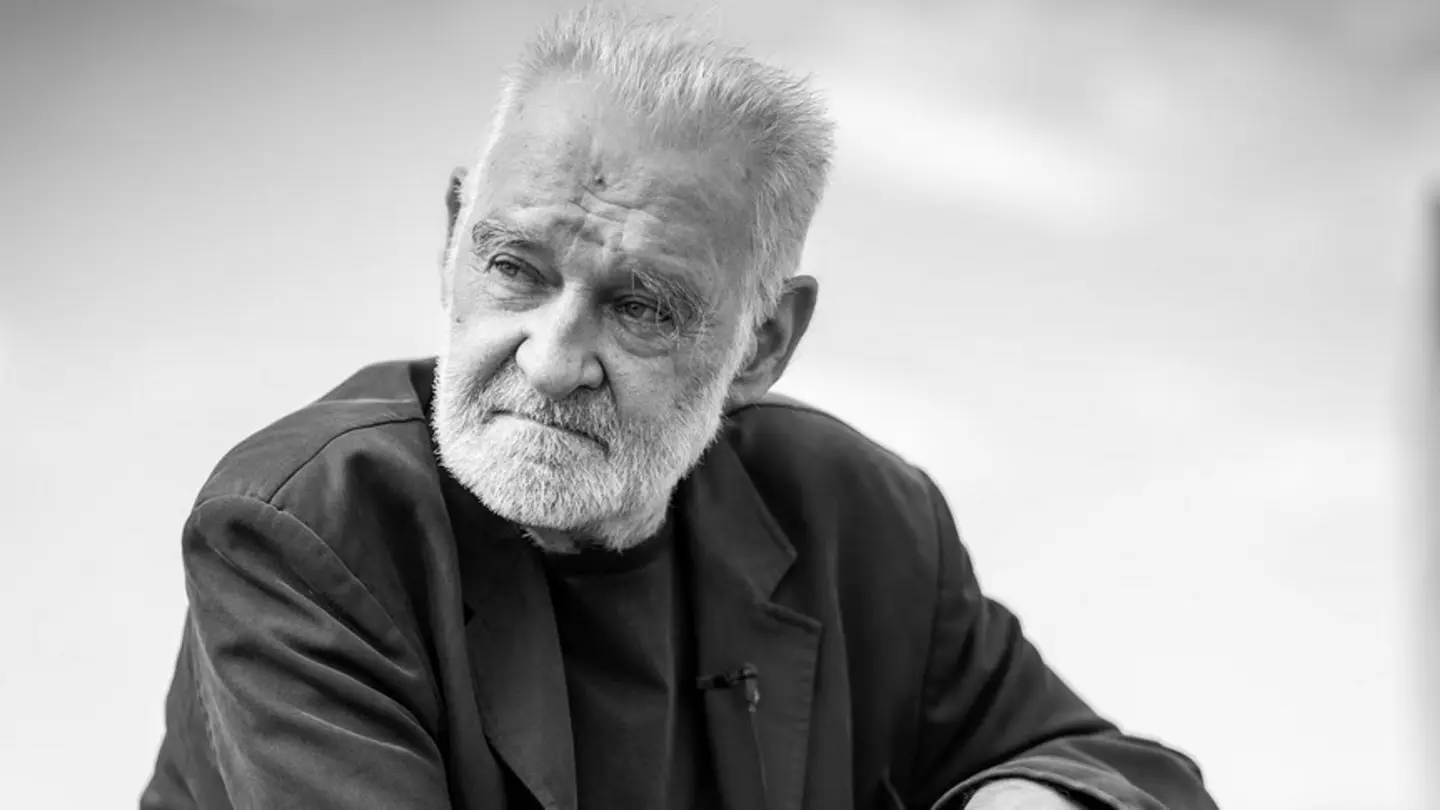
Béla Tarr, the celebrated Hungarian filmmaker renowned for his long takes, stark black-and-white cinematography, and profoundly existential explorations of rural life, has died at the age of 70. The news was confirmed by the Hungarian National Film Fund. Tarr’s passing marks a significant loss for the world of cinema, leaving behind a legacy of challenging and deeply rewarding films that have influenced generations of filmmakers.
Born in Pécs, Hungary, in 1955, Tarr began his career making short documentaries before transitioning to feature films. He quickly established a distinctive style characterized by slow pacing, minimal dialogue, and a focus on the bleak realities of post-communist Hungary. His films often depict characters trapped in cycles of poverty, isolation, and despair, grappling with questions of faith, morality, and the meaning of existence.
Key Works and Style
Tarr’s breakthrough came with 1994’s Sátántangó, a seven-hour-long epic considered a masterpiece of contemporary cinema. Shot in black and white, the film follows the lives of a group of disillusioned individuals in a decaying Hungarian village, exploring themes of betrayal, disillusionment, and the search for redemption. Its deliberate pacing and hypnotic imagery create a uniquely immersive and unsettling viewing experience.
Another notable work is 1987’s Damnation, a similarly bleak and atmospheric film that explores the themes of isolation and spiritual emptiness. Tarr’s films are not easily accessible; they demand patience and engagement from the viewer. However, those who are willing to invest the time are rewarded with a profound and unforgettable cinematic experience.
Throughout his career, Tarr remained committed to his artistic vision, refusing to compromise his style for commercial success. He often worked with the same collaborators, including writer László Krasznahorkai, creating a cohesive and distinctive body of work. His films have been shown at major international film festivals, including Cannes, Venice, and Berlin, and have garnered numerous awards and accolades.
In recent years, Tarr had largely withdrawn from filmmaking, focusing on teaching and mentoring young filmmakers. He established the Film Factory in Sarajevo, a film school dedicated to fostering a new generation of cinematic talent. His influence extends beyond his own films, inspiring countless artists with his uncompromising vision and dedication to the art of cinema. His death leaves a void in the film world, but his work will continue to resonate with audiences for years to come. He is survived by his wife, Ágnes Hranitzky.
Tarr’s films are often described as challenging, but they are also deeply humanistic, offering a compassionate and unflinching portrayal of the human condition. He was a master of atmosphere and mood, creating films that linger in the mind long after the credits have rolled. His legacy as one of the most important and influential filmmakers of his generation is secure.
Image Source: Google | Image Credit: Respective Owner