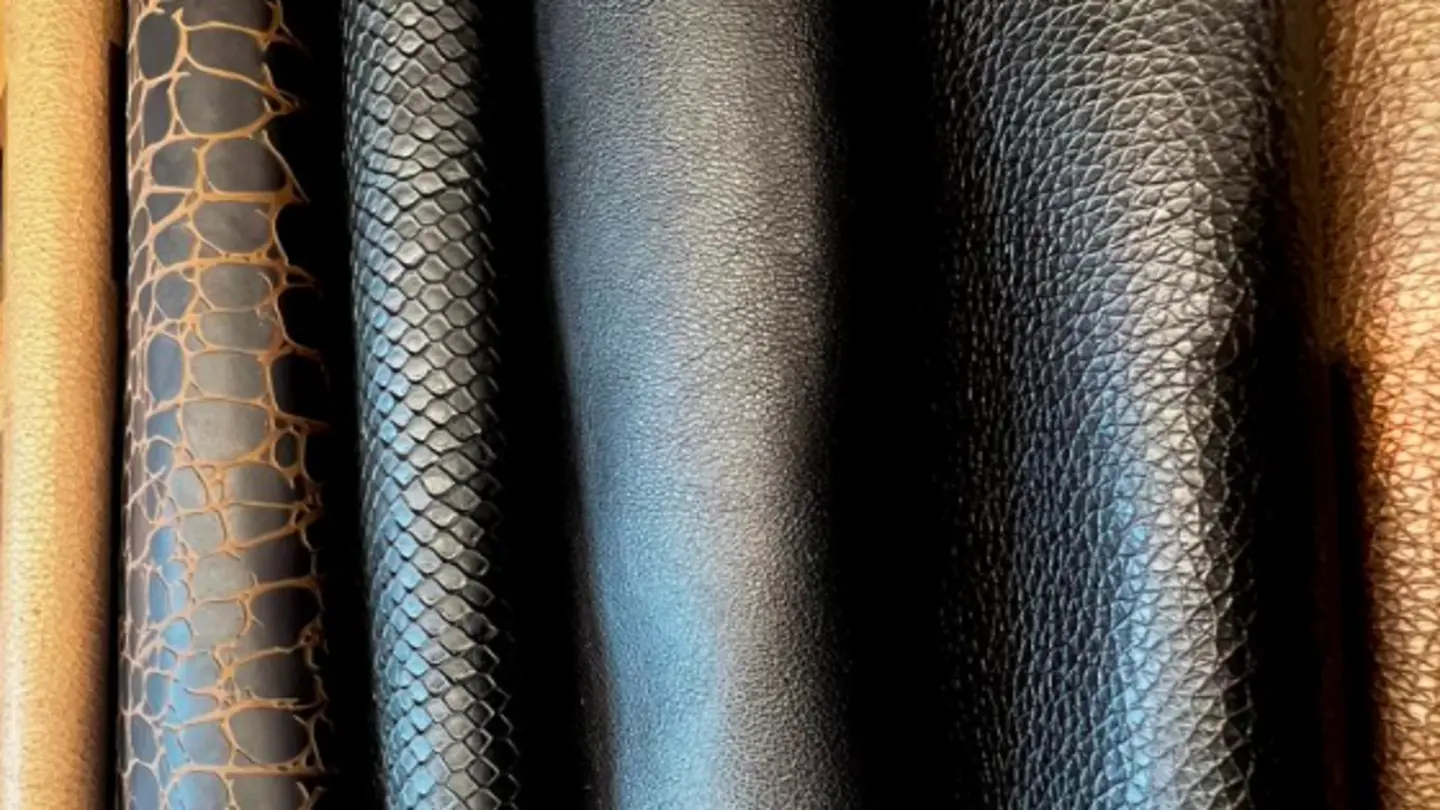
Arda, a materials innovator, has unveiled a groundbreaking leather‑like fabric derived entirely from spent brewing grains, eliminating the need for conventional animal hides or petroleum‑based synthetics.
The process begins with collecting surplus barley and wheat residues generated during beer production, which are then subjected to a low‑temperature enzymatic treatment that extracts cellulose fibers.
These fibers undergo a proprietary cross‑linking procedure that imparts strength, flexibility, and a supple texture reminiscent of traditional leather, while maintaining a completely plant‑based composition.
Environmental and Economic Advantages
By repurposing waste streams that would otherwise be discarded or incinerated, the new material reduces landfill burden and cuts greenhouse‑gas emissions associated with livestock farming and synthetic polymer manufacturing.
Arda claims that the carbon footprint of its beer‑waste leather is roughly forty percent lower than that of conventional cowhide, aligning with global sustainability targets outlined in the fashion industry’s net‑zero commitments.
In addition to its ecological benefits, the material offers scalability advantages. Brewing facilities worldwide generate consistent quantities of by‑product grain, providing a steady feedstock supply that can support large‑scale production without competing with agricultural land use.
Early adopters in the apparel and automotive sectors have expressed interest, citing the fabric’s tactile qualities and its ability to be dyed, stitched, and finished using existing textile workflows.
The company also emphasizes health and safety, noting that the enzymatic process eliminates the harsh chemicals traditionally employed in tanning, thereby reducing worker exposure to toxic substances.
Arda’s roadmap includes pilot installations at partner breweries in Europe and Asia, with plans to refine the material’s performance characteristics such as abrasion resistance and moisture management.
Industry analysts predict that if the technology achieves commercial viability, it could catalyze a shift toward circular material economies across multiple manufacturing domains.
The European Union’s Circular Economy Action Plan recognizes such waste‑to‑value technologies as pivotal for reducing resource extraction, and Arda has secured co‑funding from the EU Horizon research program to accelerate scale‑up.
Partnerships with major apparel brands are already in advanced discussions, aiming to integrate the beer‑waste leather into limited‑edition collections that highlight the brand’s commitment to circular design and transparent supply chains.
Finally, the material’s production cost is projected to be competitive with mid‑range synthetic leathers, while its biodegradability at end‑of‑life offers an additional environmental edge over conventional petrochemical polymers.
Independent laboratory assessments have confirmed that the fabric meets ISO 105‑E01 standards for colourfastness and ISO 105‑B02 for dimensional stability, fulfilling key quality benchmarks for fashion applications.
Image Source: Google | Image Credit: Respective Owner