An astronomer has successfully captured a unique image of Comet 3I/ATLAS after its encounter with the Sun. This is the first image of the comet taken post-solar passage, providing valuable insights into its composition and behavior. Comet 3I/ATLAS, an interstellar object, was first discovered in 2017 and has been the subject of intense scientific scrutiny ever since.
Comet’s Journey and Composition
Comets are icy bodies that originate from the outer reaches of our solar system, or even beyond. When they approach the Sun, they heat up and release gases and dust, forming a visible coma and tail. The composition of a comet can reveal information about the conditions in which it formed, providing clues about the early solar system. Comet 3I/ATLAS is particularly interesting because it is an interstellar object, meaning it originated from outside our solar system. This makes it a valuable probe of the conditions in other star systems.
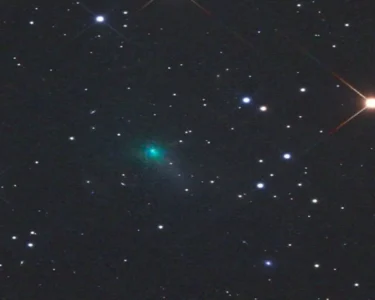
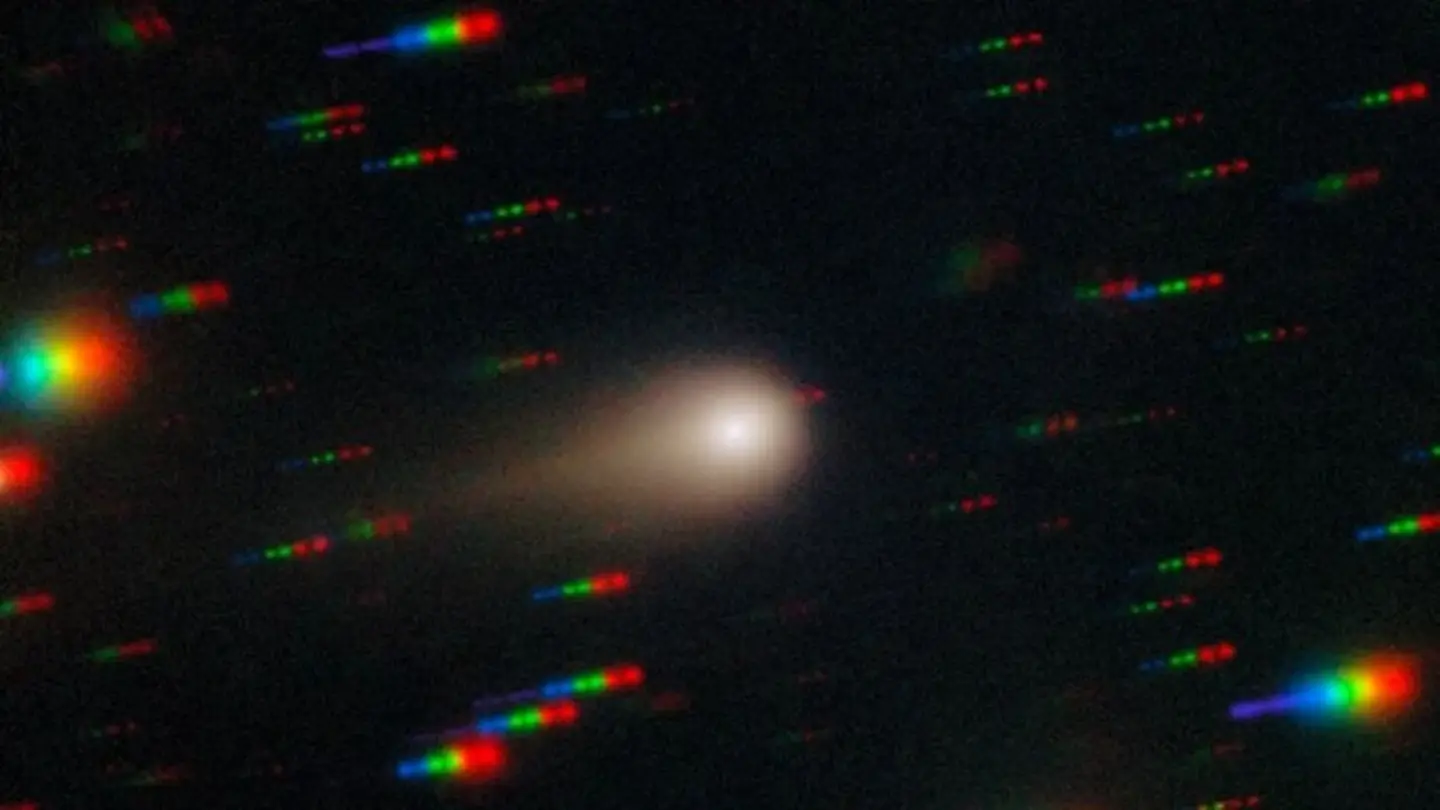
The image captured by the astronomer reveals details about the comet’s coma and tail. The coma, a hazy atmosphere surrounding the nucleus, appears to be relatively intact after the solar encounter. This suggests that the comet has survived its passage around the Sun without significant disintegration. The tail, which is formed by the solar wind pushing on the coma, is also visible in the image.
Scientific Significance
This image is significant for several reasons. First, it is the first image of Comet 3I/ATLAS after its solar encounter, providing a glimpse of its post-perihelion state. Second, it allows scientists to study the changes that occurred to the comet as it passed close to the Sun. By comparing the image with pre-perihelion observations, scientists can gain insights into the effects of solar heating on the comet’s composition and structure. Furthermore, understanding the behavior of interstellar objects like Comet 3I/ATLAS helps astronomers refine models of planetary formation and the distribution of matter in the galaxy.
The observations contribute to our broader understanding of these celestial wanderers. The comet’s continued journey and observation will allow for further study and data collection, which will contribute greatly to the ever growing catalog of knowledge of interstellar objects. With further research of this first post-Sun encounter, scientists will have more data to compare with other known solar objects and will potentially be able to infer more about the universe in general. The successful capture of this first image sets the stage for future observations and discoveries related to Comet 3I/ATLAS.
Future Research
Astronomers plan to continue observing Comet 3I/ATLAS as it moves away from the Sun. These observations will help to track its trajectory and study its long-term behavior. Scientists will also use telescopes to analyze the comet’s spectrum, which can reveal information about its chemical composition. The study of Comet 3I/ATLAS promises to provide valuable insights into the nature of interstellar objects and the formation of planetary systems.
Image Source: Google | Image Credit: Respective Owner