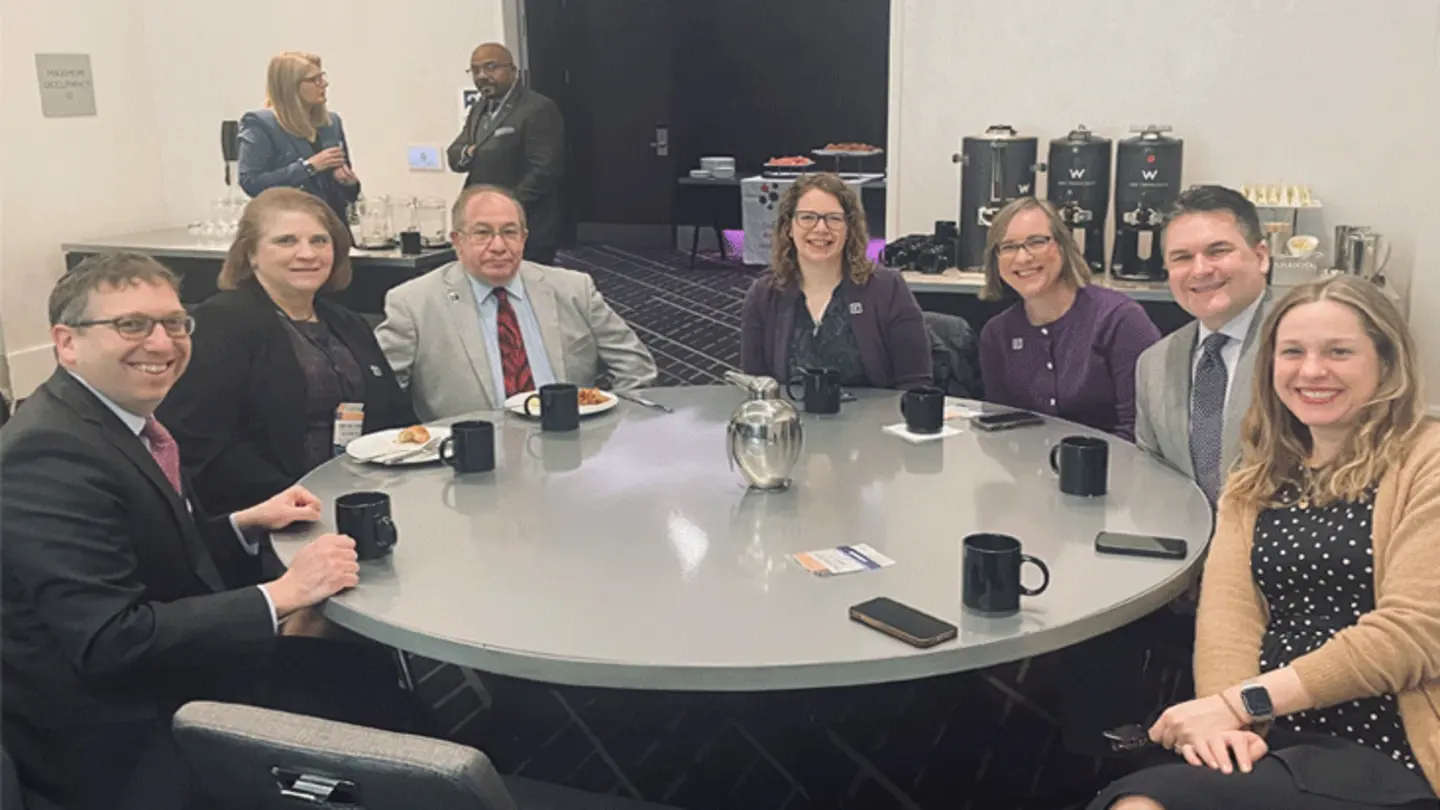
The annual meeting of the American Society of Clinical Oncology (ASCO) focused on gastrointestinal (GI) cancers, ASCO GI 2026, is already generating significant buzz within the oncology community. Initial reports, compiled by Oncodaily, highlight 15 noteworthy presentations and posters, representing potential advancements in the diagnosis, treatment, and management of a range of GI malignancies. This report focuses on the first half of those key findings, offering a glimpse into the innovative research shaping the future of GI cancer care.
Several studies presented focused on refinements to existing treatment regimens for colorectal cancer. Researchers explored novel combinations of chemotherapy with targeted therapies, aiming to improve response rates and prolong progression-free survival, particularly in patients with metastatic disease. A recurring theme was the investigation of biomarkers to predict which patients would benefit most from specific therapies, moving towards a more personalized approach to treatment. Early data suggests potential for liquid biopsies to identify minimal residual disease and guide adjuvant therapy decisions.
Pancreatic Cancer Advances
Pancreatic cancer, notoriously difficult to treat, was another major focus. Presentations detailed the ongoing evaluation of modified FOLFIRINOX regimens and the role of neoadjuvant therapy in resectable disease. Significant attention was given to the emerging field of immunotherapy; while historically challenging in pancreatic cancer due to its immunosuppressive microenvironment, researchers are exploring strategies to enhance immune cell infiltration and activation. These include combining checkpoint inhibitors with other modalities like oncolytic viruses and targeted therapies.
Hepatocellular carcinoma (HCC), the most common type of liver cancer, also featured prominently. Studies investigated the efficacy of novel tyrosine kinase inhibitors (TKIs) and the potential of combining systemic therapy with locoregional treatments like transarterial chemoembolization (TACE) and radioembolization (Y-90). The role of precision medicine in HCC was underscored, with research identifying specific genetic mutations that predict response to targeted agents. Furthermore, investigations into early detection methods, leveraging circulating tumor DNA (ctDNA), showed promise.
Esophageal and gastric cancers were represented with research exploring the impact of perioperative chemotherapy and the optimization of surgical techniques. The use of minimally invasive surgery, including robotic-assisted procedures, continues to gain traction, with studies demonstrating comparable oncologic outcomes to open surgery and reduced postoperative morbidity. Research also addressed the challenges of treating gastroesophageal junction (GEJ) cancers, a particularly aggressive subtype.
Finally, several presentations addressed quality-of-life issues for patients undergoing treatment for GI cancers. Studies evaluated the effectiveness of supportive care interventions, such as nutritional counseling and psychological support, in mitigating treatment-related side effects and improving overall well-being. The importance of addressing the holistic needs of patients, beyond just the disease itself, was a consistent message throughout the conference. The remaining findings from ASCO GI 2026 will be detailed in a subsequent report, continuing to provide a comprehensive overview of the latest advancements in this critical area of oncology.
Image Source: Google | Image Credit: Respective Owner