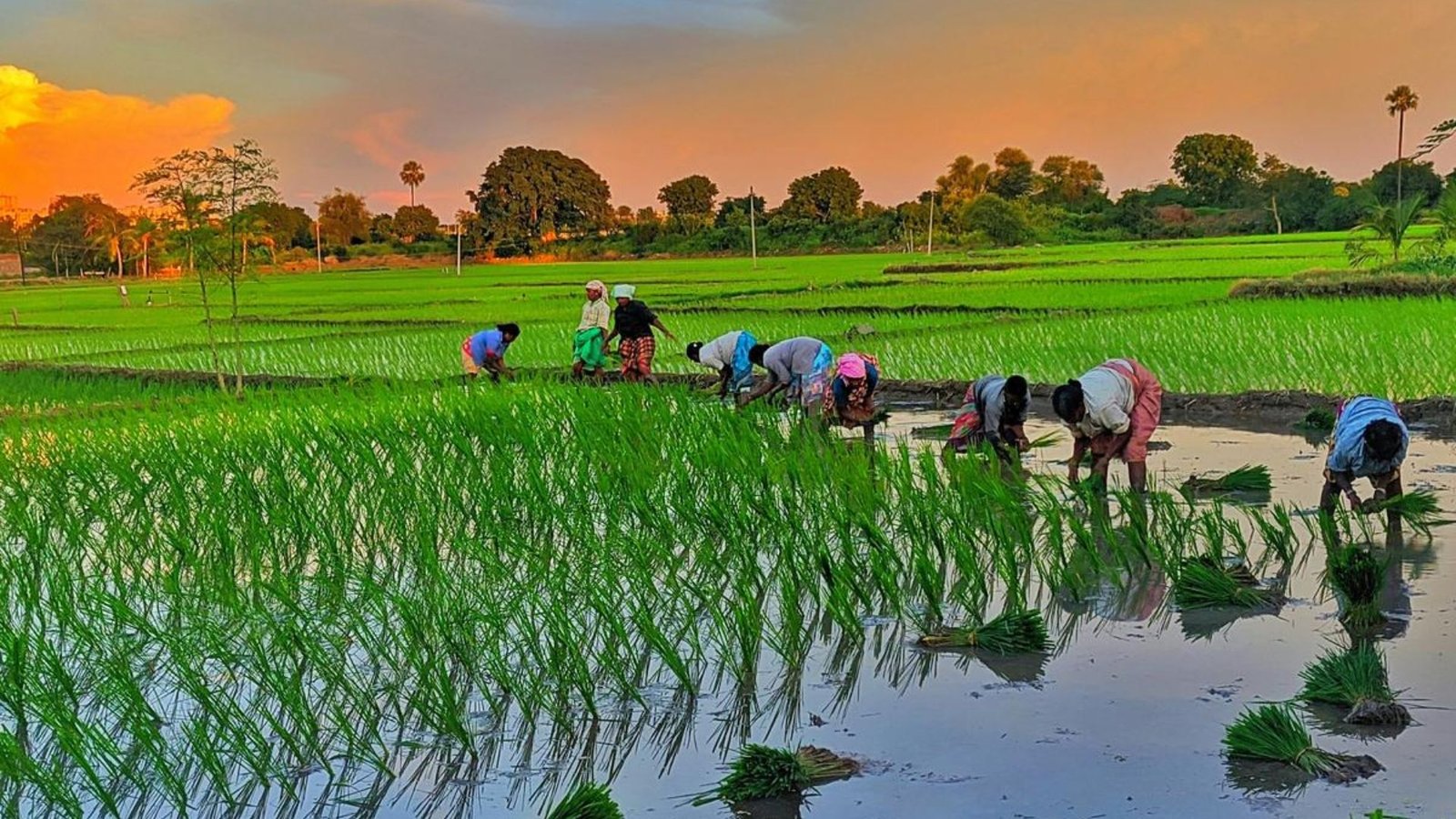
Research has unveiled a crucial microbial link between arsenic contamination in soil and reduced rice yield, offering potential avenues for mitigating this agricultural challenge. The study, published in a leading scientific journal, details how specific soil microbes exacerbate the uptake of arsenic by rice plants, ultimately hindering their growth and productivity.
The Arsenic-Microbe Connection
The research focused on identifying the key microbial players involved in arsenic mobilization within the soil. Arsenic, a naturally occurring element, can become a significant pollutant due to industrial activities and agricultural practices. In flooded rice paddies, arsenic is converted into more mobile forms, making it readily available for uptake by the plants. The study discovered that certain bacteria thrive in these conditions, actively converting arsenic into forms that are easily absorbed by rice roots. These microbes essentially act as arsenic facilitators, increasing the vulnerability of rice plants to arsenic toxicity.
Impact on Rice Yield
The increased arsenic uptake has a detrimental impact on rice plants. Arsenic interferes with various physiological processes, including photosynthesis, nutrient absorption, and enzyme activity. This leads to stunted growth, reduced grain production, and ultimately, lower yields. The study highlights the significant economic consequences of arsenic contamination, particularly in regions where rice is a staple food crop. Millions of people rely on rice as their primary source of nutrition, and arsenic contamination poses a serious threat to food security and public health.
Mitigation Strategies
Understanding the role of microbes in arsenic mobilization opens up new possibilities for developing mitigation strategies. One approach involves identifying and promoting beneficial microbes that can compete with the arsenic-facilitating bacteria. These beneficial microbes could potentially reduce the availability of arsenic in the soil or enhance the plant’s tolerance to arsenic toxicity. Another strategy focuses on modifying soil conditions to suppress the activity of harmful microbes. This could involve adjusting soil pH, adding organic matter, or implementing alternative irrigation practices. Further research is needed to develop effective and sustainable solutions for managing arsenic contamination in rice paddies. These solutions will be crucial for protecting rice production and ensuring food security in arsenic-affected regions. The researchers emphasize the importance of interdisciplinary collaboration, bringing together experts in microbiology, soil science, and plant physiology, to address this complex environmental challenge. The findings underscore the intricate relationship between soil microbes, arsenic contamination, and agricultural productivity, paving the way for innovative approaches to sustainable rice cultivation.
Image Source: Google | Image Credit: Respective Owner